

Why Plastic Cabinets Are Better for Balcony Storage During Rainy Season
Share
Monsoon season turns Indian balconies into a battleground between clutter and moisture. Shoes, gardening tools, cleaning supplies, and seasonal items pile up, and every year the same question resurfaces: what storage solution actually survives the rain without swelling, rusting, or rotting?
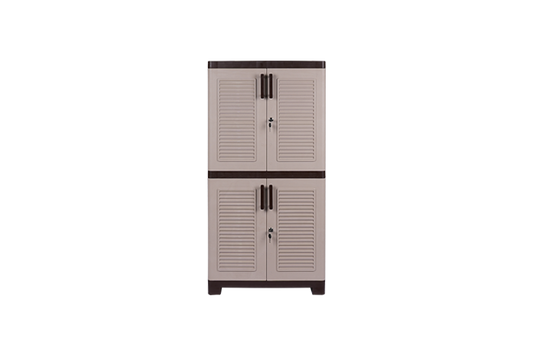
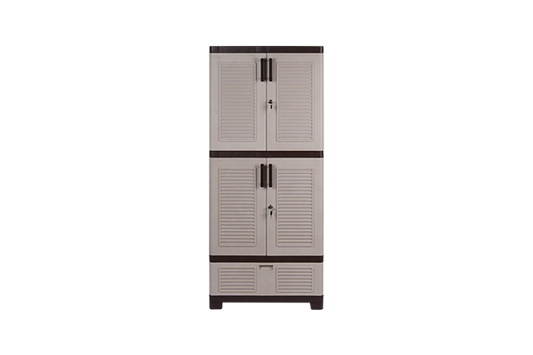
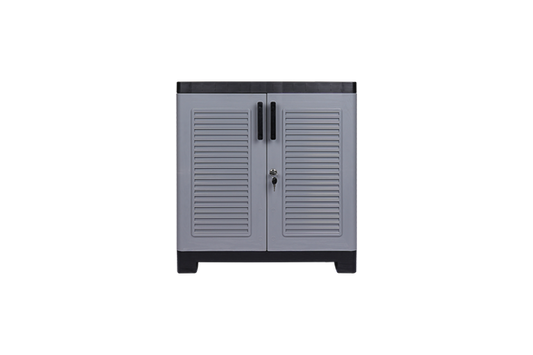
Plastic Cabinets have quietly become the answer for millions of Indian households, and 2026 data explains why. As monsoon patterns grow more erratic and urban homes shrink in size, weatherproof, space-efficient storage is no longer a luxury - it's a necessity. In this guide, we break down why plastic cabinets outperform wood and metal during India's wet months, what the 2026 market looks like, and how a trusted manufacturer like Italica is shaping this shift. If you're comparing options right now, the Italica Storage Cabinet is a good real-world example of what a monsoon-ready cabinet should offer.
Why is rainy season storage such a challenge for Indian balconies?
Plastic Cabinets solve a problem that Indian homeowners face every single monsoon: exposed balconies with no proper shelter from wind-driven rain. Balconies in apartments across Mumbai, Pune, Bengaluru, and Chennai are rarely fully covered, which means stored items take on moisture from multiple directions, not just from above.
India's monsoon outlook for 2026 adds another layer of unpredictability. The India Meteorological Department's updated long-range forecast pegs seasonal rainfall at around 90% of the Long Period Average - technically a "below normal" season - but IMD has also flagged a higher-than-usual probability of intense, localized rainfall spells and isolated heavy-to-very-heavy rainfall events even within a below-normal season. In practical terms, that means fewer steady rain days but sharper, more damaging downpours - exactly the kind of weather that ruins wooden furniture in a single afternoon.
Plastic Cabinets are engineered to shrug off exactly this kind of unpredictability, which is why demand for them tends to spike right before and during the monsoon months, regardless of whether the season is officially "normal" or "deficient."
Why are plastic cabinets better than wood or metal for balcony storage in India?
Plastic Cabinets don't absorb water, and that single property eliminates most of the problems associated with traditional balcony storage. Wooden cabinets swell, warp, and develop fungal growth within a few monsoon cycles. Metal cabinets rust, especially in coastal cities like Mumbai, Kochi, and Chennai where salt-laden humidity accelerates corrosion.
Plastic Cabinets made from high-density polypropylene or virgin-grade polymers resist:
-
Moisture absorption and swelling
-
Rust and corrosion in humid or coastal climates
-
Termite and fungal damage
-
Cracking under UV exposure when properly stabilized
-
Warping from temperature and humidity fluctuations
People Also Ask:
Are plastic cabinets waterproof?
Yes. Quality plastic cabinets made from polypropylene or engineered polymers are inherently water-resistant and do not absorb moisture, making them suitable for outdoor and semi-outdoor use such as balconies, terraces, and utility areas.
At Italica, we focus on manufacturing cabinets specifically tested for India's climate extremes - from Delhi's dry heat to Kerala's heavy monsoon - so a single product line performs reliably nationwide.
How much does India's monsoon actually affect stored belongings?
Plastic Cabinets address a cost problem that many homeowners underestimate: the recurring expense of replacing rain-damaged furniture. India's urban population has crossed roughly 410 million people, or about 32% of the national total, and this rapid urbanization is shrinking average balcony and utility space across metro apartments. Smaller spaces mean stored items sit closer to open railings and splash zones, increasing exposure to wind-blown rain.
Plastic Cabinets also address the compliance shift happening across India's furniture sector. The Furniture Quality Control Order, enforced from February 2026, now mandates BIS/ISI certification for key storage and furniture categories, pushing both organized and unorganized manufacturers toward stricter material and safety standards. This is accelerating consumer trust in branded plastic furniture over unbranded, locally welded alternatives.
According to Italica's 2026 market insights, inquiries for balcony and utility storage cabinets typically rise 30-40% in the two months leading into the monsoon, as households replace damaged wooden almirahs and open shelving with weatherproof alternatives.
How does Italica ensure quality in plastic cabinet manufacturing?
Plastic Cabinets are only as good as the manufacturing process behind them, and this is where quality varies enormously across India's fragmented plastic furniture market. Italica's advanced manufacturing facilities ensure consistent wall thickness, UV-stabilized resin formulations, and reinforced hinge and locking mechanisms that hold up to years of daily use.
Every Italica cabinet goes through:
-
Injection-molding quality checks for structural integrity
-
UV and weather-resistance testing suited to Indian climate zones
-
Load-bearing tests for shelves and drawers
-
Rust-proof, corrosion-resistant fittings and hardware
India's plastic furniture market was valued at approximately USD 18.9 billion in 2025 and is projected to grow at a compound annual rate of over 9% through the next decade, according to IMARC Group's industry analysis. This growth is being driven largely by manufacturers who invest in quality control rather than compete purely on price - a category where Italica has built its reputation over the years.
What is the price range of plastic cabinets in India in 2026?
Plastic Cabinets are priced across a wide spectrum depending on size, material grade, and features, which makes them accessible to nearly every budget segment in India. For homeowners buying a single unit, realistic 2026 retail price ranges look like this:
-
Compact balcony cabinets (2-3 feet): ₹2,500 – ₹5,500
-
Mid-size utility cabinets (4 feet): ₹5,500 – ₹9,500
-
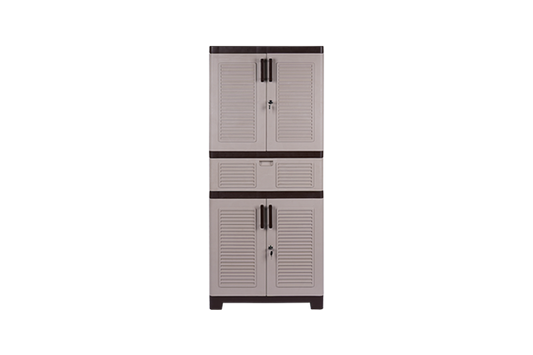
Large multi-shelf storage cabinets (5-6 feet): ₹9,500 – ₹16,000
-
Premium heavy-duty cabinets with locking systems: ₹16,000 – ₹25,000
Plastic Cabinets purchased in bulk carry significantly different economics for retailers and distributors. Wholesale rates for standard 4-feet storage cabinets typically range between ₹3,800 and ₹6,200 per unit for orders above 100 pieces, with distributor margins generally falling between 15-22% depending on region and order volume. B2B buyers in Tier 2 and Tier 3 markets, including Indore, Coimbatore, Nagpur, and Guwahati, often negotiate additional volume-based discounts of 5-8% on orders exceeding 500 units.
According to Italica's 2026 market insights, this pricing structure has made plastic cabinets one of the fastest-moving SKUs for regional furniture retailers, particularly during the pre-monsoon stocking window between March and May.
What features should you look for in a monsoon-ready plastic cabinet?
Plastic Cabinets vary widely in design quality, so not every product marketed as "monsoon-friendly" actually performs well under sustained wet conditions. Before buying, homeowners and retailers should check for:
-
Sealed joints and reinforced corners that prevent water seepage into internal compartments
-
Elevated legs or a raised base to avoid water pooling underneath during heavy spells
-
UV-stabilized material to prevent brittleness from prolonged sun exposure between rain events
-
Rust-free hinges and locks, since metal fittings are often the first point of failure
-
Ventilated yet water-resistant design to prevent internal moisture buildup and odor
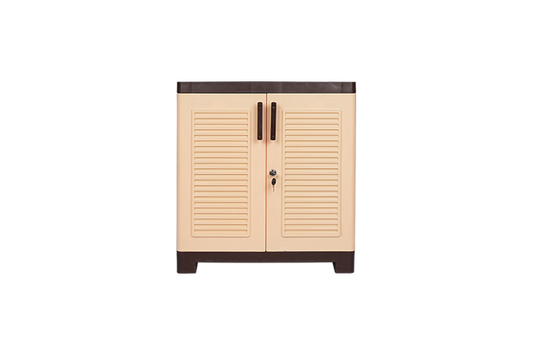
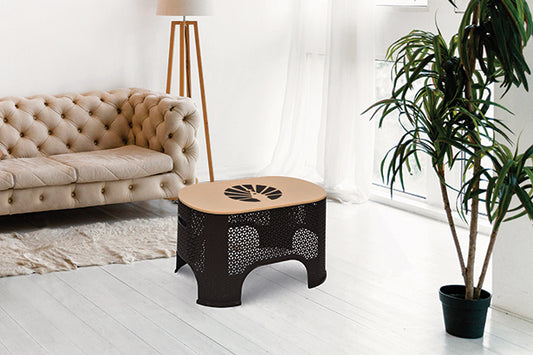
The Italica Storage Cabinet reflects most of these design principles in a compact 4-feet format, making it a practical reference point for what a well-engineered balcony cabinet should include.
How can retailers and distributors benefit from stocking plastic cabinets?
Plastic Cabinets represent a low-risk, high-turnover inventory category for furniture retailers across India, especially in Tier 2 and Tier 3 cities where organized furniture retail is still expanding. Unlike wooden furniture, plastic cabinets require no seasoning, minimal storage-space damage risk, and near-zero returns due to weather-related defects.
-
Lightweight products reduce logistics and last-mile delivery costs
-
Stackable packaging improves warehouse space utilization
-
Lower breakage rates during transport compared to wood or glass-fronted units
-
Faster inventory turnover during the March-to-July stocking cycle
Italica's advanced manufacturing facilities ensure predictable production timelines, which allows distributors to plan bulk orders around the pre-monsoon demand surge with confidence, rather than scrambling for stock once the season begins.
Are plastic cabinets eco-friendly and durable for long-term use?
Plastic Cabinets have evolved considerably from the single-use, low-grade plastic products of a decade ago. Modern manufacturers increasingly use recyclable and, in some cases, post-consumer recycled polymers to reduce environmental impact while maintaining structural strength.
Industry research from Mordor Intelligence notes that manufacturers across the plastic furniture sector are widening their product ranges with recycled and specialty polymers to meet tightening sustainability expectations, without compromising on durability or load-bearing performance. A well-made plastic cabinet, properly maintained, typically lasts 8-12 years even under regular outdoor exposure - a lifespan that rivals or exceeds many mid-range wooden alternatives, without the recurring maintenance costs of polishing, waterproofing, or pest treatment.
Conclusion
Plastic Cabinets have moved from a budget alternative to a genuinely smarter choice for Indian balconies, utility areas, and commercial storage needs. With 2026's monsoon bringing unpredictable, high-intensity rainfall spells, shrinking urban living spaces, and tightening quality regulations under the new Furniture Quality Control Order, the case for weatherproof, certified plastic storage has never been stronger.
Whether you're a homeowner replacing a rain-damaged wooden almirah, a retailer planning pre-monsoon inventory, or a distributor evaluating bulk supply partners, Italica's combination of engineering quality, climate-tested materials, and competitive pricing makes it a dependable choice across India's metro and emerging markets alike.
Frequently Asked Questions
1. Are plastic cabinets good for outdoor balcony storage in India?
Yes. Plastic cabinets made from UV-stabilized, weather-resistant polymers are well-suited for outdoor and semi-outdoor balcony storage, as they resist moisture, rust, and sun damage far better than wood or metal.
2. How much does a plastic storage cabinet cost in India in 2026?
Retail prices for plastic cabinets in India typically range from ₹2,500 for compact units to ₹25,000 for large, heavy-duty models, depending on size, material grade, and features.
3. Do plastic cabinets get damaged in heavy rain?
No, when properly designed with sealed joints, elevated bases, and rust-free hardware, plastic cabinets withstand heavy rain and humidity without swelling, warping, or corroding.
4. What is the wholesale price of plastic cabinets for bulk orders?
Wholesale rates for standard 4-feet plastic storage cabinets generally range between ₹3,800 and ₹6,200 per unit for bulk orders above 100 pieces, with additional volume discounts available for larger quantities.
5. How long do plastic cabinets last compared to wooden ones?
Quality plastic cabinets typically last 8-12 years even with regular outdoor exposure, often outperforming mid-range wooden furniture, which requires more frequent maintenance and is prone to monsoon-related damage.
6. Is Italica a reliable brand for plastic furniture in India?
Yes. Italica is an established Indian plastic products manufacturer known for quality-tested, climate-resistant furniture, serving homeowners, retailers, and B2B distributors across metro and Tier 2/Tier 3 markets.