

What Is a Spine Care Chair? Benefits, Features, and Who Should Use One
Share
Most people do not think about their chair until their back starts hurting. By that point, weeks or months of poor posture have already done their quiet damage - tight lumbar muscles, compressed discs, rounded shoulders, and a neck that aches by mid-afternoon. The chair sitting under you right now is either helping your spine or working against it. There is rarely a neutral option.
A spine care chair is designed to resolve this problem before it begins. But the term gets used loosely, and not every chair that carries the label actually delivers on it. This guide explains exactly what a spine care chair is, the specific features that define a genuine one, who benefits most from using one, and how Italica's dedicated Spine Care Series approaches the problem for Indian households and workspaces.
What Is a Spine Care Chair?
A spine care chair is a seating solution designed with a backrest profile that follows and supports the natural curvature of the human spine - specifically the lumbar (lower back) curve - to reduce postural stress during prolonged sitting.
The human spine has a natural S-shape when viewed from the side. The lumbar region curves inward (lordosis), the thoracic region curves outward (kyphosis), and the cervical region at the neck curves inward again. Healthy sitting preserves this S-shape. Most standard chairs - including flat-backed plastic chairs, basic dining chairs, and low-cost office chairs - do not. They force the spine into a C-shape as the lower back loses its inward curve and rounds outward, loading the lumbar discs unevenly and straining the surrounding muscles.
A spine care chair counters this through deliberate backrest geometry: a contoured surface that curves to meet the lower back, a slightly reclined backrest angle that reduces forward spinal load, and a seat design that positions the pelvis correctly so the lumbar curve is naturally maintained rather than actively held.
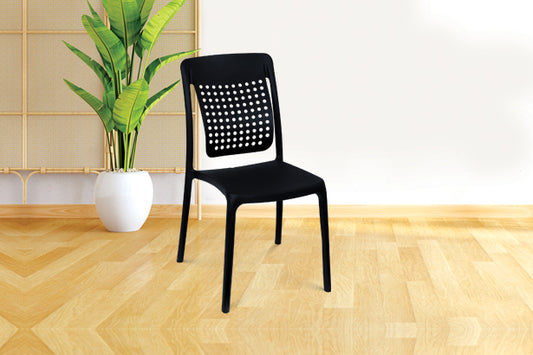
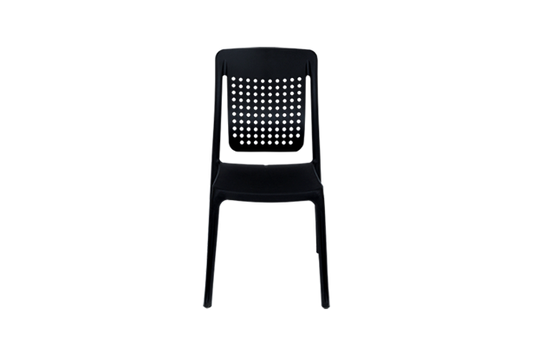
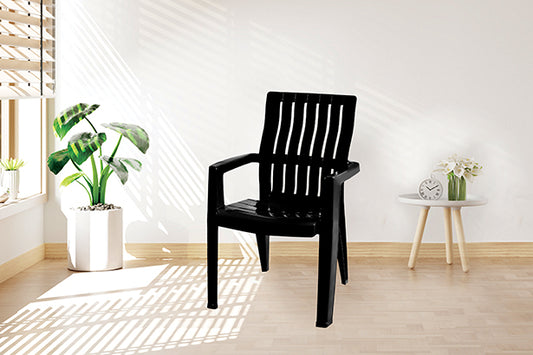
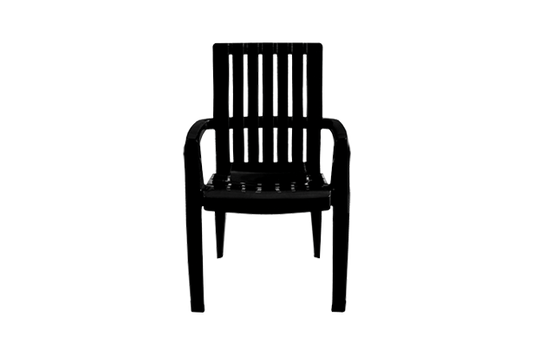
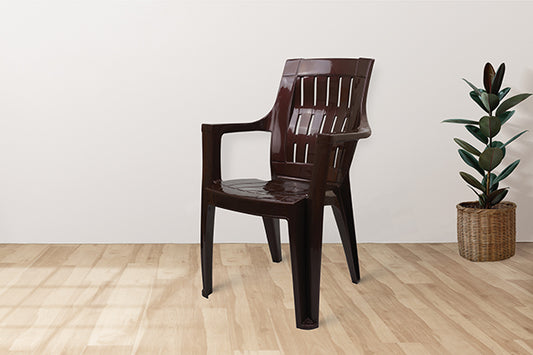
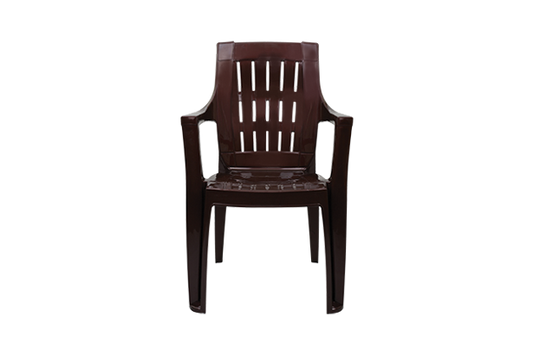
Italica's Spine Care Series - developed for the Indian market and available in models including the 2109 and 2277 - is built around exactly this anatomical brief. The backrest geometry is engineered to support the lumbar and mid-back zones simultaneously, which is what separates a genuine spine care design from a marketing label on an otherwise standard chair.
How Is a Spine Care Chair Different From a Regular Plastic Chair?
The difference is not just visual - it is structural and functional. Understanding the distinction helps you evaluate whether a chair you are considering actually delivers spinal support or simply looks like it does.
|
Feature |
Regular Plastic Chair |
Spine Care Chair |
|
Backrest shape |
Flat or mildly curved |
Contoured with lumbar inward curve |
|
Lumbar support zone |
Absent |
Specifically designed into the lower backrest |
|
Backrest angle |
Vertical or near-vertical |
Slightly reclined (100–105°) to reduce spinal load |
|
Seat pan design |
Flat |
Slightly contoured to tilt pelvis into neutral |
|
Suitable for long sitting |
No |
Yes |
|
Postural guidance |
None |
Active - guides body into correct alignment |
|
Impact on disc pressure |
High (C-spine loading) |
Reduced (S-spine maintained) |
A regular plastic chair is designed for short-term sitting - meals, gatherings, casual use. It is not built for the sustained load of a work day, a study session, or hours of desk-based activity. A spine care chair is.
The Italica 2109 and 2277 chairs exemplify this difference within the plastic chair category. Both feature backrest profiles shaped to the lumbar curve, extended backrest height covering the mid and lower back, and seat angles calibrated for hours of comfortable use rather than minutes.
What Are the Key Features of a Good Spine Care Chair?
Does it have genuine lumbar contouring?
The most important feature - and the easiest to verify. Run your hand down the inner surface of the backrest. A spine care chair should have a noticeable inward curve in the lower third of the backrest, where your lumbar spine sits. If the entire backrest is flat or convex (bowing outward), it provides no lumbar support regardless of what the product description says.
Italica shapes the backrest of its Spine Care Series chairs with a deliberate lumbar inward curve positioned at the anatomically correct height for an average Indian adult - a detail that requires precise mould engineering rather than aesthetic styling.
What backrest height does a spine care chair need?
For the chair to support both the lumbar and mid-back zones, the backrest needs to be tall enough to reach at least the mid-thoracic region - roughly the middle of your shoulder blades when seated. This is typically a backrest height of 50–60 cm from the seat surface.
Short-back chairs that reach only the lumbar region leave the upper back unsupported, which shifts fatigue upward and causes the shoulders to round forward over time. Full mid-back coverage is what enables genuinely comfortable sitting over multiple hours.
How should the backrest angle be set?
A vertical backrest (90 degrees) is not ergonomically correct for long sitting. Research consistently shows that a backrest angle of 100–110 degrees from the seat reduces intervertebral disc pressure compared to sitting bolt-upright. This slight reclining position allows the backrest to carry some of the upper body's weight rather than placing it entirely on the spine and lumbar muscles.
A good spine care chair has this angle built in - not adjustable, because most people leave adjustable features in their factory position. Italica's Spine Care chairs use a fixed backrest angle calibrated within this optimal range for everyday Indian use cases.
Does seat depth and seat pan design matter?
Significantly. The seat pan should support the full length of the thigh - from the back of the knee to the underside of the buttocks - without creating pressure behind the knee. Too shallow a seat leaves the thighs unsupported and shifts body weight to the lower back. Too deep a seat cuts off circulation behind the knee and forces the user to perch forward, eliminating all backrest contact.
For most Indian adults, a seat depth of 40–44 cm and a slight downward tilt at the front edge - reducing pressure at the back of the knee - delivers the best combination of thigh support and posture maintenance.
Are armrests necessary on a spine care chair?
Armrests are not strictly required for lumbar support, but they contribute meaningfully to upper back and neck comfort during long sitting. The arms and shoulders account for roughly 10 per cent of total body weight. Over several hours, carrying that weight without support creates progressive tension in the upper trapezius and cervical spine.
For work-from-home use, studying, or any desk-based activity, a spine care chair with armrests provides more complete support. For dining or spaces where the chair needs to slide under a table, an armless spine care design is practical without significantly reducing lumbar benefit.
Italica offers both configurations within its Spine Care Series, allowing the right choice based on how and where the chair will be used.
What Are the Health Benefits of Using a Spine Care Chair?
Reduces lower back pain during and after sitting
The most direct benefit. By maintaining the lumbar curve, a spine care chair prevents the disc compression and muscle fatigue that cause the familiar lower back ache that builds through a long sitting session. The Indian Spinal Injury Centre reports that over 10 million new spine-related cases are reported every year in India, with prolonged sitting in poor posture identified as a leading contributing factor. Switching to a chair that actively supports correct posture is one of the most accessible interventions available.
Improves posture over time
Correct posture during sitting is a habit the body learns. When a chair makes correct posture the effortless default - when slouching is uncomfortable and upright sitting is easy - the surrounding muscles gradually strengthen and adapt. Regular users of ergonomically designed chairs report less postural correction effort over time as the supporting musculature develops.
Reduces neck and shoulder fatigue
The spine is a connected system. When the lumbar region is correctly supported and the pelvis is in a neutral position, the entire chain above it - thoracic spine, cervical spine, shoulders - falls into better alignment. This reduces the compensatory tension that accumulates in the neck and shoulders when the lower back is unsupported.
Supports focus and productivity
Discomfort is a cognitive distraction. When you are shifting in your seat, adjusting your position, or managing low-grade back pain, your concentration is divided. Studies on ergonomic seating have shown that chairs designed with proper lumbar support are associated with improved focus and reduced fatigue during extended desk work - a finding particularly relevant as work-from-home and hybrid work arrangements become standard across Indian cities.
Suitable for recovery and prevention equally
Spine care chairs benefit both those already experiencing back discomfort and those trying to prevent it. For anyone with a diagnosed lumbar condition - disc prolapse, spondylosis, or chronic lower back pain - a spine care chair reduces the postural load that aggravates these conditions. For younger users and students sitting for long study hours, it prevents the postural deterioration that builds silently over years.
Italica's Spine Care Series is used across both contexts - in home offices, classrooms, and recovery-focused home setups across India.
Who Should Use a Spine Care Chair?
Work-from-home professionals
The single largest group in India who benefit from a spine care chair. IT professionals, consultants, content creators, and anyone working eight or more hours at a desk in a home setting almost certainly needs better seating than a standard dining chair or basic plastic chair. Orthopaedic specialists across India have noted a 40 to 60 per cent increase in work-related cervical and lumbar cases since remote working became widespread.
Students and exam aspirants
Competitive exam preparation in India - JEE, NEET, UPSC, CAT - involves sitting for six to twelve hours daily over months or years. The postural damage accumulated during these years is often not felt until later, but it is real. A spine care chair is a sound long-term investment for any serious student.
Senior family members
The lumbar musculature weakens with age and the intervertebral discs lose hydration and resilience. Older adults are more susceptible to back pain from unsupported sitting and benefit more acutely from a correctly designed backrest. Italica's Spine Care chairs are sturdy, easy to get in and out of, and designed for daily household use - making them appropriate for older users without the complexity or cost of specialist orthopaedic seating.
People with existing lower back conditions
Those managing disc herniation, spondylosis, sciatica, or chronic lower back pain should not be using flat-backed chairs. A spine care chair does not replace medical treatment, but it reduces the postural load that aggravates these conditions between physiotherapy sessions and during the long hours of daily sitting that cannot be avoided.
Anyone sitting for more than four hours per day
This is the practical threshold. Below four hours, most adults in reasonable health can manage on standard seating without significant spinal consequences. Beyond four hours of daily sitting - which describes most Indian professionals and students in 2026 - the cumulative postural load of an unsupported chair begins to cause measurable harm over months and years.
How Do You Know If Your Current Chair Is Causing Back Problems?
These are the signs that your chair is failing your spine.
Your lower back hurts specifically after sitting - not during activity, not first thing in the morning, but after a long sitting session. This pattern points directly to postural loading from your chair rather than other causes.
You find yourself shifting positions constantly, perching on the edge of the seat, or slumping backward over the course of a sitting session. This is your body trying to redistribute load because the chair is not supporting it correctly.
Your neck and shoulders ache by mid-afternoon even when you have not been doing any physical activity. Upper body tension that builds through a desk day is frequently a downstream effect of lumbar unsupport.
You feel immediate relief when you stand up or walk around. That relief confirms that the sitting position, not movement, is the source of the load.
If any of these patterns are familiar, the chair is the problem. Italica's Spine Care Series is designed to address all four - by making correct posture the natural resting position rather than something you have to maintain consciously.
Conclusion
A spine care chair is not a luxury item or a niche product for people with existing back conditions. It is the appropriate choice for anyone sitting for more than four hours a day - which, in India's evolving work and study landscape, means most households have at least one person who genuinely needs one.
The defining features - lumbar contouring, correct backrest height, a slight reclined angle, and appropriate seat depth - are the difference between a chair that supports your spine and one that gradually damages it. Italica's Spine Care Series builds all of these features into a durable, low-maintenance plastic chair designed for Indian homes and workspaces. Explore the full Spine Care Series at italica.com to find the right model for your setup.
Frequently Asked Questions
Q: What is a spine care chair?
A: A spine care chair is a seating design with a contoured backrest shaped to follow the natural S-curve of the human spine, particularly supporting the lumbar (lower back) region. Unlike standard flat-backed chairs, a spine care chair actively maintains correct spinal posture during extended sitting, reducing disc pressure, muscle fatigue, and the back pain associated with prolonged unsupported sitting.
Q: What is the difference between a spine care chair and an ergonomic chair?
A: The terms overlap significantly. An ergonomic chair is a broad category covering any chair designed around human body mechanics, often with adjustable components such as height, armrests, and lumbar pads. A spine care chair specifically emphasises lumbar and back support through the shape of the backrest itself - often without requiring adjustment. Italica's Spine Care Series uses fixed anatomical backrest geometry to deliver spinal support without mechanical complexity, making it suitable for home and everyday use.
Q: Who should use a spine care chair?
A: Anyone sitting for more than four hours daily benefits from a spine care chair. This includes work-from-home professionals, students, senior family members, and people managing chronic lower back conditions. Spine care chairs are equally valuable as a preventive measure for younger users and as a practical support tool for those already experiencing postural discomfort.
Q: Can a plastic spine care chair be as effective as an expensive ergonomic office chair? A: For lumbar support and posture maintenance during sitting, a well-engineered plastic spine care chair can deliver equivalent core benefit to significantly more expensive options. The critical variable is the geometry of the backrest, not the material or price. Italica's Spine Care chairs use anatomically calibrated backrest profiles that maintain the lumbar curve effectively - the same functional objective as premium ergonomic chairs at a fraction of the complexity and cost.
Q: How long does it take to notice a difference when switching to a spine care chair?
A: Most users notice a reduction in end-of-day lower back fatigue within the first week of switching to a spine care chair with correct lumbar support. Postural improvement - as in the habitual maintenance of better posture even when not consciously thinking about it - typically develops over four to six weeks of consistent use as the supporting musculature adapts to the new default position.