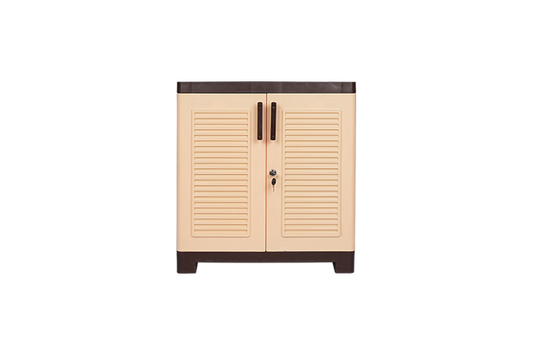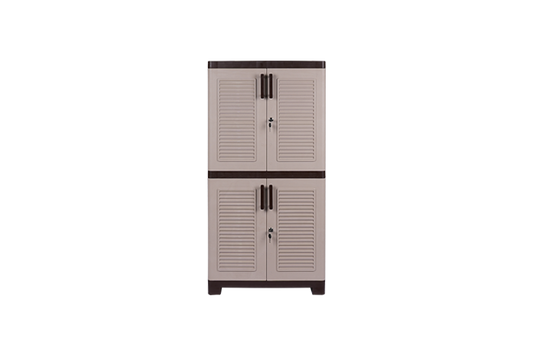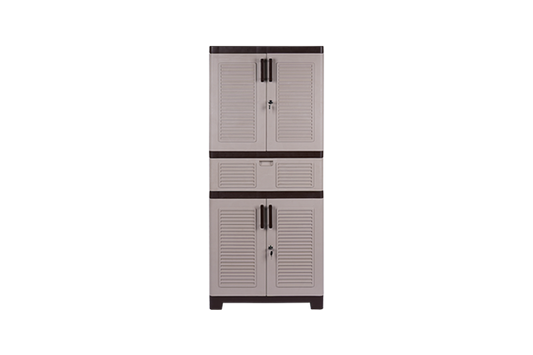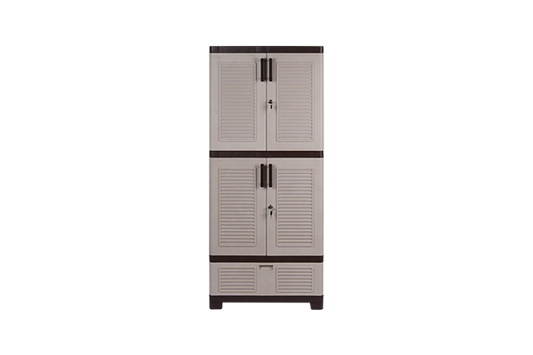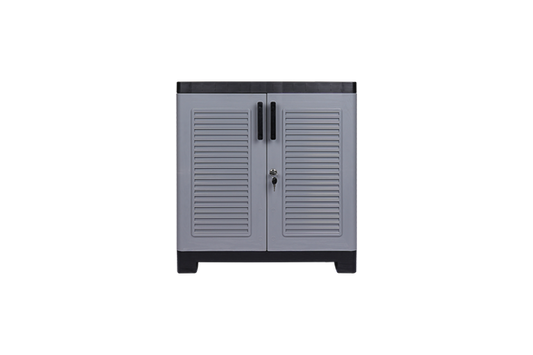


Termite-Proof, Waterproof, Rust-Free: Why Plastic Cabinets Outlast Wood in Monsoon-Heavy Regions
Share
Every July & August, the same story plays out in homes across coastal Maharashtra, Kerala, the Northeast, and large parts of eastern India. The rains arrive, humidity climbs past 80%, and somewhere in the house, a wooden almirah that looked perfectly fine in March starts showing swollen doors, a musty smell, or worse - the telltale mud trails of termites along the skirting.
It's not bad luck. It's physics. Wood is porous, hygroscopic, and organic - which means it absorbs moisture, expands and contracts with humidity swings, and is, quite literally, food for termites and fungus. In monsoon-heavy regions, this isn't a rare risk. It's an annual certainty.
This is exactly the problem plastic cabinets were built to solve. Here's why they hold up where wood struggles - and what to actually look for if you're shopping for monsoon-proof storage.
Why This Matters More Than People Realize
Most homeowners think of monsoon-proofing in terms of roofs, walls, and waterproofing the exterior. Furniture rarely makes the list - until the damage is already done. But furniture is often the most expensive, most personal casualty of monsoon humidity. A damaged wall can be replastered in a weekend. A wooden almirah full of termite tunnels, or a cabinet that's warped shut with your documents inside, is a different kind of loss - both financially and in the sheer hassle of dealing with it mid-monsoon, when repair services are backed up and carpenters are hard to book.
India's geography makes this a widespread issue, not a niche one. Coastal states like Kerala, Goa, Maharashtra, and Karnataka see sustained humidity above 75–85% for months. The Northeast experiences some of the highest rainfall in the world. Even inland cities like Pune, Bengaluru, and Delhi NCR see humidity spikes during the monsoon that are enough to trigger warping and mould in untreated wood. In other words, this isn't a problem specific to one region - it's a seasonal reality for most of the country.
The Three Ways Monsoons Destroy Wooden Furniture
1. Termites thrive in damp wood. Termites need moisture to survive, and monsoon humidity creates ideal breeding conditions in and around wooden furniture - especially in ground-floor rooms, storerooms, and homes near soil or old construction. By the time damage is visible on the surface, the internal structure is often already compromised.
2. Moisture causes warping and swelling. Wood absorbs ambient humidity, causing panels, doors, and drawers to expand. Doors stop closing properly. Drawers jam. Over successive monsoons, joints loosen and veneers begin to peel.
3. Trapped moisture leads to mould and odour. Enclosed wooden cabinets with poor ventilation are especially prone to trapping damp air, leading to a persistent musty smell and, in the worst cases, mould growth on stored clothes and documents.
None of these are one-off inconveniences. They're recurring, compounding damage - and by the third or fourth monsoon, many wooden cabinets need repair or replacement.
The Hidden Cost of "Maintaining" Wooden Furniture
Wooden furniture in humid climates isn't a one-time purchase - it's an ongoing maintenance commitment, whether or not that's obvious at the time of buying. A realistic annual upkeep routine for wooden storage in a monsoon-heavy region typically includes:
-
Termite treatment or inspection - annual or bi-annual pest control specifically for wooden furniture, especially in ground-floor rooms
-
Re-polishing or re-varnishing - to restore the protective coating that wears down and lets moisture in
-
Hardware replacement - rusted hinges, handles, and locks need periodic swapping
-
Repair or carpentry work - fixing warped doors, loose joints, or swollen drawers that no longer close properly
Individually, these costs seem minor. Added up over five or ten years, they often exceed the price difference between a wooden almirah and a comparable plastic cabinet - and that's before accounting for the item eventually needing full replacement anyway. Plastic cabinets remove this maintenance cycle almost entirely, which is part of why the total cost of ownership tends to favor plastic in humid climates, even when the upfront price looks similar.
Common Myths About Plastic Cabinets
Despite plastic furniture's practical advantages, a few outdated assumptions still hold some buyers back. Worth addressing directly:
"Plastic furniture looks cheap." This was true of low-grade plastic furniture a decade ago, but modern plastic cabinets are manufactured with finishes, textures, and color options that closely mimic wood grain and matte or gloss surfaces - many are difficult to distinguish from wood at a glance, especially once styled in a room.
"Plastic isn't strong enough for heavy storage." Quality plastic cabinets are engineered with reinforced panels and load-tested frames, and are fully capable of holding clothes, linens, books, and household items without sagging or cracking - the same categories of items people store in wooden almirahs.
"Plastic furniture doesn't last as long as wood." In dry, climate-controlled conditions, well-maintained wood can last a long time. But in monsoon-heavy regions specifically, the comparison flips - plastic's resistance to moisture, termites, and rust often means it outlasts wood that hasn't been aggressively maintained.
Why Plastic Cabinets Don't Have This Problem
Termite-proof by material, not treatment. Plastic isn't organic matter, so it offers termites nothing to feed on. There's no chemical termite-proofing to reapply, no annual pest-control expense tied to your furniture specifically.
Waterproof, not just water-resistant. High-quality plastic cabinets don't absorb moisture at all. Humidity, splashes, or even direct water exposure near a bathroom or balcony don't cause swelling, warping, or structural weakening - the material simply doesn't take on water the way wood does.
Rust-free where metal fittings would fail. Traditional wooden furniture with metal hinges, handles, and frame supports is vulnerable to rust in humid conditions, which weakens fittings over time. Well-designed plastic cabinets minimize metal components or use rust-resistant fittings, removing this failure point entirely.
No mould-friendly surface. Because plastic doesn't retain moisture internally, it doesn't create the damp micro-environment mould needs to establish itself - keeping stored items drier and odour-free even during peak humidity months.
What to Look for in a Monsoon-Ready Plastic Cabinet
Not every plastic cabinet is built the same way. When you're shopping specifically for humidity resistance, check for:
-
Solid, UV-stabilized plastic construction - ensures the material doesn't become brittle over time from heat-humidity cycling
-
Sealed drawer and door mechanisms - reduces the chance of water pooling in gaps or tracks
-
Minimal or corrosion-resistant metal hardware - hinges and handles that won't rust even with sustained moisture exposure
-
Certification - look for ISO or CE certification as an indicator of consistent manufacturing quality, not just marketing claims
-
Warranty coverage - a multi-year warranty signals the manufacturer is confident the product will hold up season after season
Getting the Most Out of Your Plastic Cabinet This Monsoon
Plastic cabinets need far less upkeep than wood, but a few habits will keep them performing at their best through the wettest months:
-
Wipe down monthly with a dry or slightly damp cloth - prevents dust build-up in drawer tracks and hinges
-
Avoid placing cabinets directly against consistently wet walls - even moisture-proof plastic performs best with a small air gap for ventilation
-
Check drawer runners and door hinges once a season - moving parts benefit from an occasional check, even if the material itself doesn't degrade
-
Keep cabinets slightly elevated in flood-prone ground floor rooms - where possible, this protects both the cabinet and its contents during heavy waterlogging
A Practical Trade-Off Worth Knowing
Wood does have real advantages - a sense of warmth, weight, and traditional aesthetic that plastic doesn't fully replicate. If your storage is in a climate-controlled, low-humidity space and aesthetics are the top priority, wood can still make sense.
But for storerooms, ground-floor homes, coastal cities, bathrooms, balconies, or anywhere monsoon humidity is a real annual factor, plastic cabinets solve a problem that wood simply can't engineer its way out of - without the recurring cost of termite treatments, repairs, or replacement.
Bottom Line
Monsoon damage to wooden furniture isn't a maintenance failure - it's an inherent limitation of the material. Termites, moisture absorption, and rust are ongoing risks that wood in humid Indian climates will always face to some degree. Plastic cabinets remove these risks structurally, not cosmetically, which is why they've become the practical choice for storage in monsoon-heavy regions across India.
If you're setting up storage ahead of this monsoon season, browse Italica's full range of plastic storage cabinets - built for Indian climates, backed by warranty, and designed to outlast the wet season, year after year.