

Shoe Rack for Small Spaces: Smart Storage Ideas for Indian Apartments
Share
For a small Indian apartment, the best shoe rack is compact in width and depth, uses vertical space efficiently, allows airflow around footwear and is easy to clean. A slim plastic shoe rack can work especially well near the entrance because it resists moisture, is lightweight and keeps everyday shoes organised without making a narrow foyer feel crowded.
Why Small Apartments Need a Different Kind of Shoe Rack
A shoe rack for small spaces has to solve two problems at the same time: it must hold enough footwear for daily life, but it cannot make the entryway feel narrower. In Indian apartments, this is especially important because the main door often opens into a compact foyer, living room edge or passage. A rack that is too wide or too deep quickly becomes an obstacle.
The smartest approach is to use vertical storage. Instead of spreading ten or fifteen pairs across the floor, a compact rack creates tiers and keeps the same footprint working harder. Closed or semi-enclosed designs also make the entrance look cleaner because footwear is not the first thing guests see.
What Makes the Best Shoe Rack for Small Spaces?
Compact Width and Depth
Measure the walking path before you shop. Depth matters as much as width because even a narrow cabinet can feel bulky if it projects too far into a passage. Around 350 mm depth is a useful reference point for many compact shoe cabinets because it can accommodate everyday footwear without taking over the hallway.
Vertical Capacity
In small apartments, height is usually easier to spare than floor area. A taller rack allows you to organise more pairs upward instead of placing another rack beside it. For a single person or couple, a lower unit may be enough. Families generally benefit from a taller multi-tier system.
Ventilation
Footwear needs airflow. Shoes can carry moisture after rain, gym use or a long commute, and fully sealed storage may trap odour if wet footwear is stored immediately. Look for ventilation holes, louvers or airflow gaps, and always let very wet shoes dry before placing them inside.
Easy-to-Clean Material
Entryways collect dust, mud and water. Plastic is useful because it can be wiped clean easily and is not affected by occasional contact with damp shoes in the same way as untreated wood or rust-prone metal.
Small-Space Shoe Rack Options
|
Option |
Best For |
Space Advantage |
|
2-feet compact shoe rack |
Single users, couples, very tight foyers |
Low visual bulk and small footprint |
|
Tall vertical shoe rack |
Families and larger footwear collections |
Adds capacity upward instead of outward |
|
Shoe rack with drawer |
Homes needing shoe-care accessory storage |
Combines footwear and small-item storage in one unit |
Where to Place a Shoe Rack in a Small Apartment
Beside the Main Door
This is the most convenient location because footwear comes off exactly where it is stored. Keep enough clearance for the main door to open fully and avoid blocking switches, intercoms or utility panels.
Behind the Door
Some layouts have a short wall behind the door leaf that goes unused. A shallow rack can work here if there is adequate clearance. Measure the open-door arc before buying.
Under a Window or Console Zone
A lower rack can sit under an entryway window or beside a narrow console. This is useful in rental homes where you cannot build a fitted cabinet.
Bedroom or Dressing Area
If the foyer is extremely tight, store occasion footwear in the bedroom, for example in stackable plastic crates on a wardrobe shelf or under the bed, and keep only daily-use pairs near the door. Splitting footwear by frequency can be more practical than forcing one oversized rack into the entrance.
A Practical Fit: Italica SR 5512 for Compact Homes
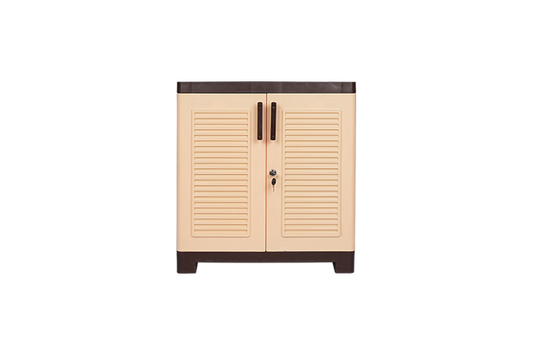
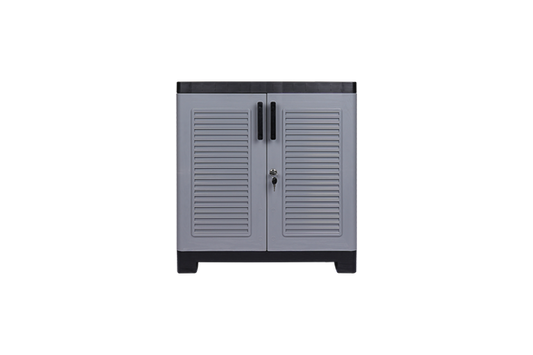
Italica’s 2 Feet Plastic Shoe Rack SR 5512 is designed around a compact footprint. Its listed dimensions are 645 mm high, 590 mm wide and 350 mm deep. The product uses premium virgin plastic, includes ventilation features for footwear storage and carries a three-year warranty. For a small apartment, that combination is useful because it provides dedicated shoe storage without the visual and physical bulk of a large wooden cabinet.
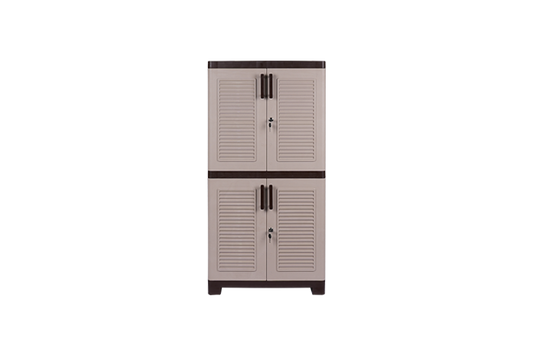
If your household has a larger footwear collection but the same limited floor footprint, a taller vertical model becomes more efficient than adding a second low rack. The principle is simple: use height before using more floor area.
How to Decide What Size You Need
- Count only the shoes that are actually used, not every pair in the house.
- Separate daily footwear from seasonal and occasion footwear.
- Measure the maximum width and depth available near the entryway.
- Check whether you prefer all footwear in one tall rack or a smaller entry rack plus secondary bedroom storage.
- Leave 5-10 cm of breathing room around the unit where possible so doors and cleaning remain easy.
Smart Organisation Ideas for Tiny Entryways
- Assign one shelf or zone per family member.
- Keep daily sandals and shoes at the easiest reach height.
- Move wedding, formal and seasonal footwear to upper or secondary storage.
- Use the lowest level for heavier footwear.
- Keep shoe-care products in a small box instead of scattering them across shelves.
- Do a quarterly footwear edit so unused pairs do not consume valuable storage.
What to Avoid in a Small Space
Avoid open floor racks that force shoes to project into the walking path. Avoid very deep cupboards unless you have measured the passage carefully. Also avoid choosing purely by pair count: bulky sports shoes and men’s footwear take more room than flats or sandals, so real capacity depends on the type of shoes you own.
A small-space shoe rack should make the entry feel calmer. If the storage itself becomes the dominant object in the foyer, the design is probably too large for the room.
How to Calculate the Right Shoe Rack Capacity
Start by counting pairs rather than guessing. Include everyday slippers, office shoes, school shoes, sports footwear, sandals, occasion wear, and guest slippers. Then divide the total into daily-use and occasional-use footwear. The daily group should determine the capacity of the entryway rack; the occasional group can often be stored elsewhere.
Allow some spare capacity as well. A rack that is completely full from day one will quickly overflow when a new pair is purchased. For couples, a compact model may be enough. Families often benefit from a taller rack because vertical capacity grows without requiring much additional floor area. Shoe size also matters: larger men's sneakers use considerably more shelf width than children's sandals, so advertised pair counts should be treated as an estimate rather than a guarantee.
Small Entryway Layout Ideas
In a narrow foyer, place the rack against the longest uninterrupted wall rather than beside the door handle or switchboard. In homes where the main door opens directly into the living room, a closed cabinet can reduce visual clutter and make the entrance feel calmer. If there is a corner beside a console or wall mirror, a shallow vertical shoe rack can use that space without dominating the room.
For homes with almost no foyer, consider keeping only daily footwear near the entrance and moving occasion pairs to bedroom storage. This is often more effective than forcing a larger cabinet into a passage. The best small-space solution is the one that protects circulation first and maximises storage second.
Ventilation, Odour and Monsoon Care
Indian weather makes ventilation especially important. Shoes can retain sweat, rainwater, and humidity after use, and enclosed storage can become musty if damp footwear is shut away immediately. A ventilated shoe rack helps air move through the cabinet, but it should not replace basic drying habits.
During the monsoon, leave wet shoes in a ventilated area until they are reasonably dry. Wipe mud before returning them to the rack, and clean the cabinet more frequently because road dirt enters the home with every pair. A small moisture absorber may be useful in very humid rooms, provided it is used according to its instructions and kept safely away from children and pets.
How to Keep a Small Shoe Rack Organised Every Day
The easiest system is one that the household can follow without thinking. Assign each person a shelf or divide the rack by footwear type. Keep daily shoes at comfortable reach height and rarely used pairs higher or elsewhere. Avoid stacking shoes on top of each other because this reduces visibility and makes it harder to return pairs neatly.
A five-minute weekly reset is usually enough: pair loose shoes, remove dirt, return footwear to assigned shelves, clear the top surface, and move any seasonal pairs that have started occupying valuable space. This small routine prevents the rack from becoming a permanent overflow zone.
When to Choose a Drawer-Equipped Shoe Rack
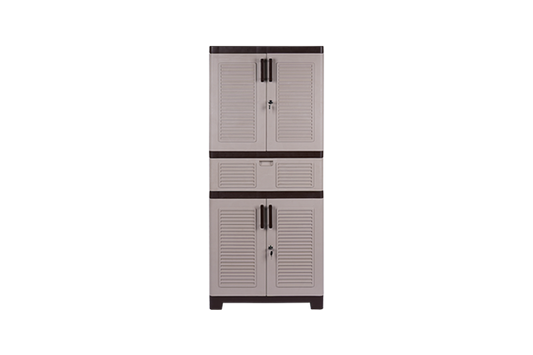
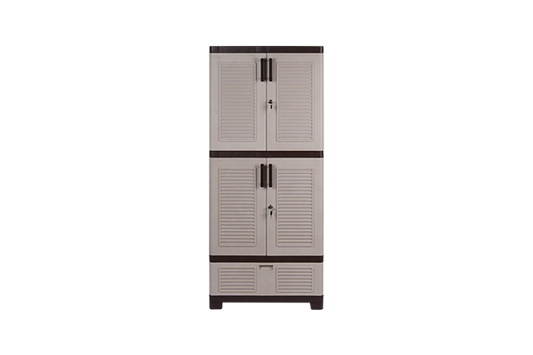
A drawer is useful when the entryway also needs to hold keys, shoe polish, brushes, spare laces, socks, access cards, or small rain accessories. In a compact apartment, integrating this storage into the shoe cabinet may remove the need for a separate side table or wall organiser.
Choose a drawer equipped shoe rack model only if those small-item needs are genuine. If the household already has a dedicated console or key cabinet nearby, a simpler shoe rack may provide better value. The goal is not to add features for their own sake; it is to reduce the number of separate objects competing for limited entryway space.
Choosing Between Compact and Tall Formats
A compact rack is ideal when the household owns only a small daily rotation and the entrance is extremely tight. A taller rack becomes more useful when several family members share the same storage or when sports shoes, school shoes, and office footwear all need a permanent place. The decision should therefore be based on real pair count and available wall height rather than on appearance alone. In a small apartment, choosing height over width is usually the more space-efficient strategy because it increases capacity without narrowing the passage.
Make the Entryway Work Harder
A small entryway does not need less organisation; it needs smarter organisation. By measuring the available footprint, using height effectively and keeping only active footwear near the door, you can create a cleaner entrance without sacrificing valuable floor space. Italica’s compact shoe-rack formats are designed for exactly this kind of everyday Indian-home use.
Frequently Asked Questions
What type of shoe rack is best for a small apartment?
A slim vertical shoe rack with a shallow depth, multiple tiers and some ventilation is usually the most space-efficient choice for compact apartments.
How deep should a shoe rack be for a narrow entryway?
It depends on your footwear, but a depth around 300-350 mm works well for many everyday shoes while keeping the unit relatively slim.
Is a plastic shoe rack suitable for monsoon use?
Yes. Plastic is moisture-resistant and easy to clean, which is useful when shoes bring in rainwater or mud. Wet shoes should still be allowed to dry before long-term storage.
Should I buy a 2-feet or tall shoe rack?
Choose a 2-feet rack if your collection is small or you need a compact unit under a window or beside a door. Choose a taller vertical rack if you need more capacity without increasing floor footprint.
How can I stop a small shoe rack from becoming cluttered?
Limit the rack to active footwear, assign fixed zones to family members and move rarely used pairs to secondary storage.