

Rental Apartment Essentials: Why Plastic Furniture is the Smart Choice
Share
Rental furniture decisions shape your living experience more than you might realize, and choosing the right pieces for temporary housing requires thoughtful consideration. In 2025, the furniture rental market has reached $26.13 billion globally, with plastic furniture commanding 36% of market share due to its unique advantages for renters. At Italica, we've spent over three decades understanding what makes furniture work for India's dynamic rental market-from students in PG accommodations to young professionals relocating for career opportunities.
Apartment essentials have evolved dramatically as renting becomes the preferred lifestyle choice for millions. According to recent market research, 55% of the world's population now resides in urban areas, driving demand for furniture that adapts to compact living spaces and frequent relocations. At Italica, we recognize that renters face unique challenges: budget constraints, landlord restrictions, unpredictable move dates, and the need for furniture that transitions seamlessly between homes. Our plastic furniture addresses these challenges head-on, offering solutions specifically designed for modern rental living.
Why Is Plastic Furniture the Best Choice for Rental Apartments in 2025?
Rental furniture requirements differ fundamentally from permanent home furnishing. Renters need pieces that deliver immediate value without long-term commitment, survive multiple relocations without damage, and cost significantly less than traditional alternatives. Plastic furniture emerges as the optimal solution for these exact reasons.
Temporary storage needs in rental apartments demand furniture that provides maximum functionality with minimal investment. Research shows that 55% of renters prioritize affordability when furnishing their spaces, yet 45% refuse to sacrifice style for budget. Plastic furniture bridges this gap perfectly. At Italica, our products cost 40-60% less than wooden equivalents while offering comparable aesthetics through wood-grain finishes and contemporary designs that complement any décor style-from minimalist to maximalist.
The financial mathematics favor plastic furniture overwhelmingly for renters. Consider a typical two-year rental period: purchasing quality wooden furniture might require ₹50,000-75,000 upfront, with questionable resale value. Alternatively, plastic furniture costing ₹20,000-30,000 serves the same function, maintains better condition during moves, and sells easily or transitions to your next home. Over a decade of renting-typical for young professionals and students-choosing plastic furniture saves approximately ₹150,000-200,000 in furniture costs.
Additionally, apartment essentials like storage cabinets, chairs, and tables must survive the rigors of frequent relocation. Wooden furniture chips, scratches, and breaks during moves, requiring repairs or replacement. Plastic furniture's inherent resilience to impact damage ensures your investment maintains both function and appearance across multiple relocations. According to furniture rental industry data, plastic pieces experience 70% less damage during moves compared to wooden alternatives.
How Does Plastic Furniture Solve Common Rental Apartment Challenges?
Rental furniture faces obstacles that permanent home furnishing never encounters. Understanding these challenges reveals why plastic furniture has become the preferred choice for discerning renters in 2025.
Space Constraints: Urban rental apartments average 400-600 square feet in major Indian cities. Apartment essentials must maximize functionality without overwhelming limited space. Plastic furniture excels through lightweight construction and stackable designs. A plastic dining set can be easily moved to create space for yoga practice or remote work setups. Storage cabinets on wheels allow instant room reconfiguration-impossible with heavy wooden furniture requiring professional movers.
Moisture and Climate Challenges: Rental apartments often lack climate control, exposing furniture to humidity, heat, and monsoon moisture. Wooden furniture warps, develops mold, and deteriorates rapidly in these conditions. Plastic furniture remains unaffected by moisture, making it ideal for bathrooms, kitchens, balconies, and naturally ventilated rooms. Research from the plastic furniture market confirms that moisture resistance ranks as the top priority for 68% of apartment renters when selecting furniture.
Landlord Restrictions: Most rental agreements prohibit permanent modifications or installations. Temporary storage solutions must be freestanding, damage-free, and completely removable. Plastic furniture meets these requirements perfectly-no wall anchoring needed, no floor scratches from movement, no risk of termite infestation that might affect the landlord's property. According to Rently's 2025 apartment design trends report, 45% of renters avoid furniture that could potentially violate lease terms.
Budget Flexibility: Job changes, family expansion, or economic uncertainty make long-term furniture investments risky for renters. Apartment essentials should provide value without tying up significant capital. The global furniture rental market growing at 12.3% CAGR reflects this shift toward flexible, affordable solutions. Plastic furniture's low price point allows renters to furnish entire apartments for less than one month's rent, freeing budget for experiences, savings, or unexpected expenses.
Cleaning and Maintenance: Rental apartments often lack dedicated storage for cleaning supplies or time for furniture maintenance. Rental furniture must be effortless to clean and maintain. Plastic surfaces wipe clean in seconds with just water and mild soap-no polishing, no special cleaners, no professional servicing. For busy professionals and students, this convenience saves hours monthly and eliminates ongoing maintenance costs.
What Makes Plastic Furniture More Portable Than Traditional Options?
Temporary storage and rental furniture priorities center on one critical factor: portability. The average renter relocates every 2-3 years, making furniture weight and transportability essential considerations.
Plastic furniture typically weighs 60-70% less than wooden equivalents. A plastic dining chair weighs 2-3 kg versus 8-10 kg for wood. This weight difference transforms moving day from nightmare to manageable task. Two people can easily carry plastic furniture without professional movers, saving ₹8,000-15,000 per relocation. Over a decade of renting, these savings compound to ₹40,000-75,000-enough to furnish an entire apartment.
Apartment essentials like plastic chairs and tables often feature stackable or foldable designs, reducing transportation volume by 50-70%. A stackable chair collection that occupies 10 cubic feet when arranged for living uses only 3 cubic feet during transport. This space efficiency means smaller rental vehicles, fewer trips, and dramatically reduced moving costs.
The damage-resistance of plastic during transportation cannot be overstated. Wooden furniture arrives at new locations scratched, dented, or broken after typical moving conditions. Plastic furniture's impact resistance and flexibility prevent such damage. According to folding plastic furniture market research, 60% of residential purchases in 2023 were motivated by portability considerations-renters choosing furniture that moves with them effortlessly.
Modern plastic furniture also disassembles and reassembles tool-free in minutes. Unlike wooden furniture requiring Allen keys, screwdrivers, and instruction manuals, quality plastic pieces snap together intuitively. This ease of assembly proves invaluable when relocating frequently, eliminating the need for technical skills or additional help.
How Does Plastic Furniture Support Sustainable Rental Living?
Rental furniture sustainability has emerged as a priority for environmentally conscious renters. The EPA reports that 9 million tons of furniture end up in landfills annually, with 80.1% of furniture and furnishings discarded permanently. Temporary storage needs shouldn't contribute to this environmental crisis.
Apartment essentials made from plastic offer surprising sustainability advantages when viewed through a lifecycle perspective. Quality plastic furniture lasts 10-15 years despite multiple relocations, whereas cheap fast furniture often requires replacement every 2-3 years. This longevity reduces consumption and waste. According to recent research, furniture rental and reuse models prevent significant resource consumption by extending product lifespans.
The production impact also favors durable plastic furniture. Manufacturing wooden furniture requires deforestation, extensive processing, chemical treatments, and heavy transportation. Modern plastic furniture increasingly uses recycled materials-the market for eco-friendly plastic furniture grew significantly in 2024-2025, with 69% of renters expressing interest in sustainable options. At Italica, we're committed to incorporating recycled plastics into our manufacturing processes, contributing to circular economy principles.
Rental furniture's resale market further enhances sustainability. Plastic furniture maintains appearance and function after years of use, commanding strong secondhand prices. Facebook Marketplace and OLX listings show plastic furniture selling for 50-70% of original price even after 3-5 years-compared to wooden furniture's 20-30% resale value. This robust secondary market keeps furniture circulating rather than landfilling, extending environmental benefits.
Additionally, plastic furniture's low maintenance requirements eliminate chemical cleaners, polishes, and refinishing products that harm ecosystems. A simple water wipe maintains cleanliness without introducing toxic substances into waterways or indoor air quality.
What Types of Plastic Furniture Are Essential for Rental Apartments?
Apartment essentials vary by renter lifestyle, but certain plastic furniture categories prove universally valuable for temporary housing across student accommodations, bachelor pads, and family rentals.
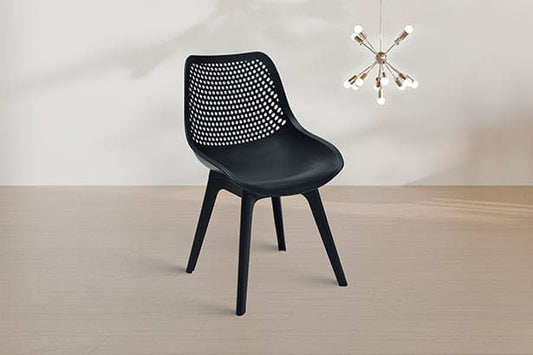
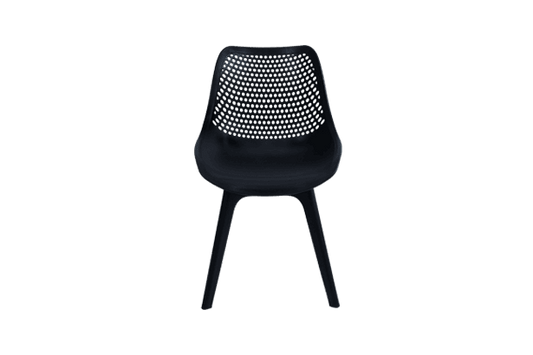
Seating Solutions: Plastic chairs form the foundation of rental furniture collections. Stackable dining chairs accommodate guests while storing compactly. Lightweight plastic armchairs create comfortable living room seating that repositions easily for cleaning or room reconfiguration. For remote workers, ergonomic plastic desk chairs provide all-day comfort at budget-friendly prices. According to market data, chairs account for 40% of plastic furniture purchases, reflecting their essential nature.
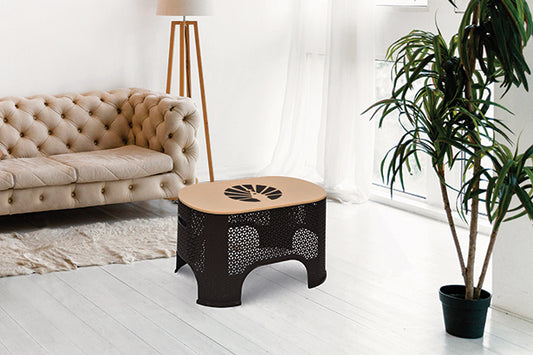
Tables for Every Purpose: Rental furniture collections need versatile tables serving multiple functions. Plastic dining tables host meals, work-from-home setups, and hobby activities. Centre tables anchor living spaces while remaining light enough to move for floor exercises or entertaining. Foldable plastic tables provide instant surface area when needed, then store flat-perfect for small apartments where every square foot counts.
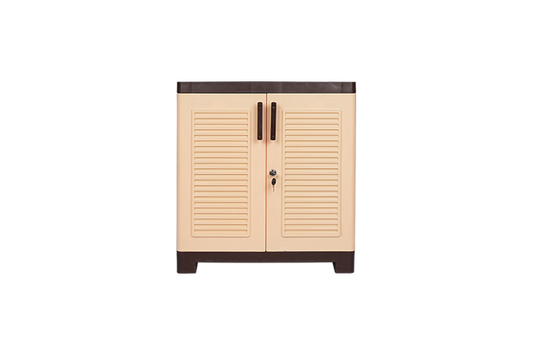
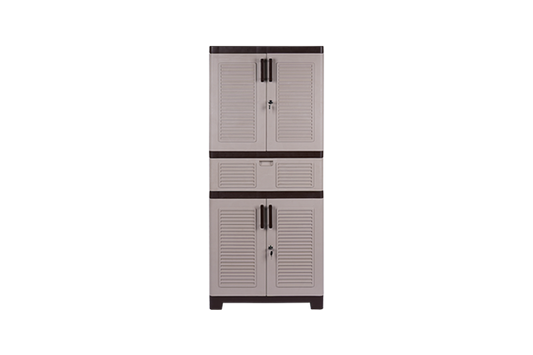
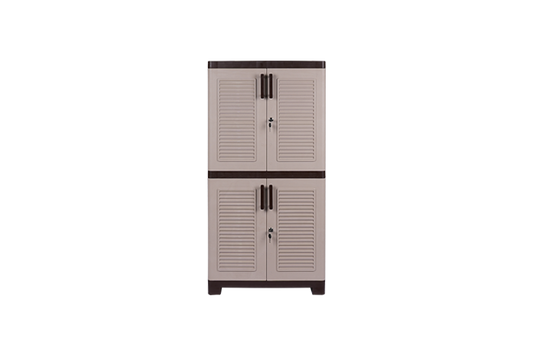
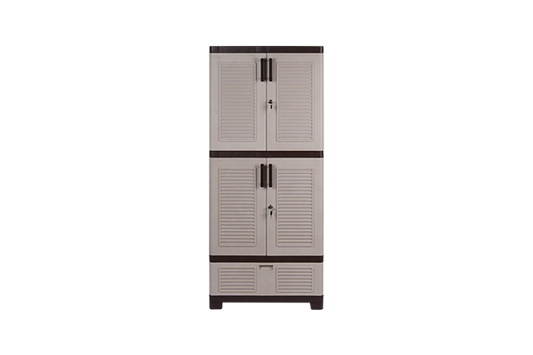
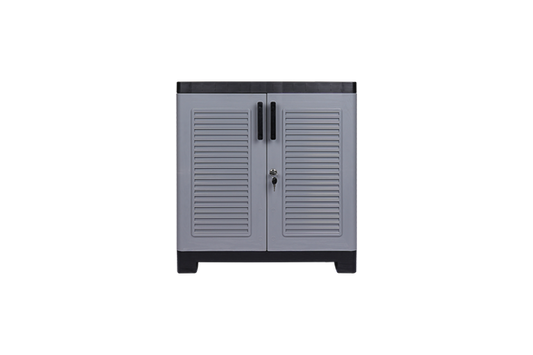
Storage Solutions: Temporary storage defines rental apartment success. Plastic storage cabinets organize clothing, kitchen supplies, toiletries, and household items without the weight and cost of wooden almirahs. Modular plastic storage systems adapt as needs change-add shelves for expanding book collections or reconfigure compartments for different belongings. The plastic furniture market identifies storage cabinets as the fastest-growing segment, driven by urbanization and shrinking apartment sizes.
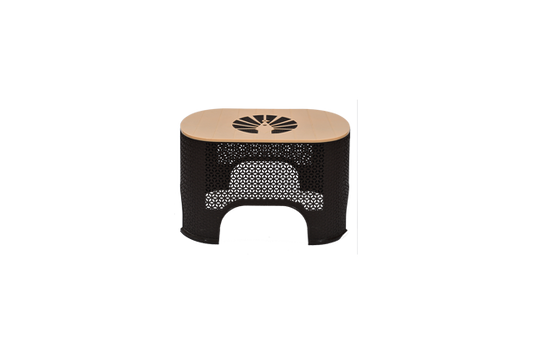
Utility Furniture: Apartment essentials include practical pieces that solve everyday challenges. Plastic stools serve as extra seating, step stools, or side tables. Trolleys organize kitchen supplies or create mobile workspace stations. Shoe racks maintain entryway organization in compact spaces. These utility pieces cost less than ₹1,000-2,000 each yet dramatically improve daily living.
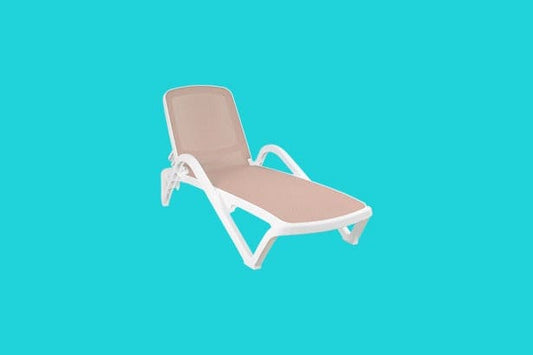
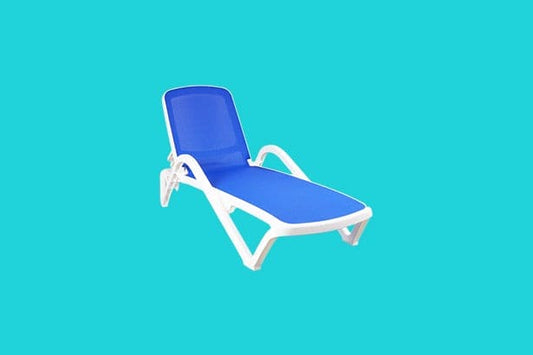
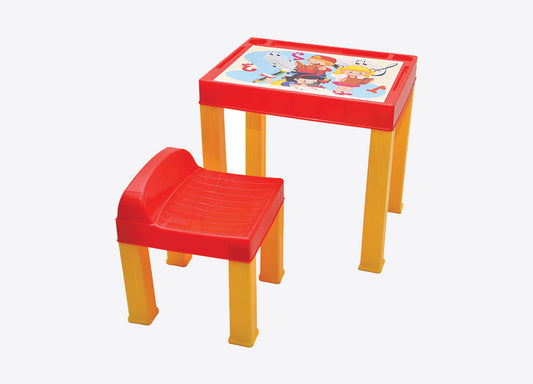
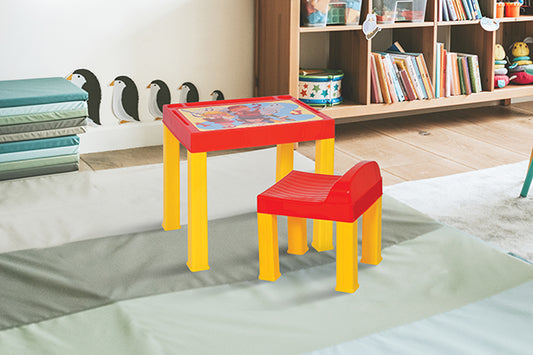
Outdoor and Specialty Items: Rental apartments often include balconies or shared outdoor spaces. Outdoor plastic furniture withstands weather exposure while remaining lightweight for seasonal storage. For families, kids' plastic furniture provides safe, colorful, and affordable options that children can use without damage concerns.
How Can Renters Maximize Value from Plastic Furniture Investments?
Rental furniture purchases should deliver maximum value throughout your renting journey and beyond. Strategic selection and care ensure apartment essentials serve you across multiple homes while maintaining resale value.
Choose Timeless Designs: Temporary storage needs change, but classic furniture styles remain relevant. Select neutral colors and clean-lined designs that complement various décor preferences. Wood-grain finish plastic furniture transitions seamlessly between traditional and contemporary apartments. Avoid trendy colors or patterns that quickly feel dated-neutral beiges, grays, and browns maintain appeal across years.
Prioritize Multi-Functionality: Apartment essentials should serve multiple purposes to justify their space occupation. Choose storage cabinets with adjustable shelves adapting to different items, tables that extend for entertaining, or chairs that stack when not needed. According to apartment design trends, 45% of renters refresh their spaces by simply rearranging furniture-multi-functional pieces enable this flexibility.
Invest in Key Pieces: While plastic furniture costs less than alternatives, quality still varies. Allocate budget to frequently-used items: dining chairs where you sit daily, storage cabinets organizing your entire wardrobe, or work desks supporting career productivity. These pieces justify premium options with reinforced construction and enhanced features. Save money on occasional-use items like extra seating or specialty storage.
Maintain Properly: Even low-maintenance plastic furniture benefits from basic care. Wipe surfaces weekly to prevent dust buildup, tighten connections periodically, and protect from direct sunlight to prevent gradual fading. Proper care ensures furniture looks nearly new after years of use, maintaining strong resale value.
Plan for Transitions: Purchase rental furniture with your next move in mind. Measure doorways and stairwells to ensure pieces fit through standard passages. Choose modular systems allowing partial upgrades rather than complete replacement. Document furniture condition with photos upon purchase-helpful for insurance claims or resale listings.
Leverage the Secondhand Market: Buy gently-used plastic furniture to save 30-50% compared to new prices, then resell when relocating. Well-maintained plastic pieces retain value excellently, making this strategy financially optimal for short-term rentals. Online marketplaces facilitate quick transactions, with popular styles selling within days.
Why Is 2025 the Ideal Time to Choose Plastic Furniture for Rentals?
Rental furniture markets have transformed dramatically, making 2025 the optimal moment for renters to embrace plastic furniture solutions. Multiple converging trends favor this choice more than ever before.
The rental housing market itself has evolved. According to 2025 apartment market data, vacancy rates hit record 7.1%, creating a renter's market with increased negotiating power and more housing options. This flexibility enables renters to prioritize apartment quality over permanent furniture investments, knowing another opportunity exists if current housing disappoints.
Apartment essentials have diversified tremendously. The plastic furniture market reached $27.99 billion in 2025, with manufacturers investing heavily in design innovation. Today's plastic furniture bears little resemblance to basic garden chairs-expect wood-grain finishes rivaling hardwood aesthetics, ergonomic designs supporting health, and modular systems adapting to changing needs. At Italica, our latest collections reflect this evolution, offering furniture that renters genuinely want, not simply tolerate.
Social media has democratized interior design knowledge. TikTok and Pinterest, influencing 30-31% of renters' design choices according to Rently's research, showcase stunning rental apartments furnished primarily with plastic pieces. These platforms prove that budget-friendly choices can create Instagram-worthy spaces, eliminating stigma around affordable furniture.
The sharing economy has mainstreamed furniture rental and resale. What seemed unusual a decade ago-buying secondhand furniture or selling pieces during moves-has become standard practice. This cultural shift enhances plastic furniture's value proposition, as its durability and appearance retention ensure strong secondary market demand.
Economic realities favor smart spending. With rent consuming increasing percentages of income (rent growth outpaced wages by 1.5x since 2019), temporary storage and furniture budgets must stretch further. Plastic furniture enables complete apartment furnishing for ₹25,000-40,000 versus ₹100,000-150,000 for wooden equivalents-savings that fund emergency funds, travel experiences, or down payment savings for eventual home ownership.
Technology integration is accelerating. Modern renters expect furniture accommodating smart home devices-phone charging stations, cable management, and electronic storage. Plastic furniture manufacturers are incorporating these features into new designs, ensuring contemporary functionality alongside traditional benefits.
What Should Renters Consider When Selecting Plastic Furniture?
Temporary storage and rental furniture purchases deserve careful consideration despite their affordability. Several factors determine whether plastic pieces meet your specific apartment needs.
Space Measurements: Measure your apartment precisely before purchasing. Rental apartments feature varying room dimensions, and furniture must fit comfortably without overcrowding. Create floor plans accounting for door swings, window openings, and traffic flow. Plastic furniture's lighter weight allows easier repositioning during move-in if initial placement proves suboptimal.
Storage Capacity Needs: Assess your belongings honestly. Count clothing items, kitchen supplies, books, and household goods to determine storage volume requirements. Apartment essentials should provide adequate capacity without excess-unused storage collects clutter and wastes space. Modular plastic storage systems allow starting small and expanding as needed.
Lifestyle Requirements: Consider your daily routines. Remote workers need dedicated desk space and ergonomic seating. Fitness enthusiasts benefit from lightweight furniture easy to move for exercise. Social butterflies should prioritize extra seating and entertaining surfaces. Match rental furniture selections to your actual lifestyle rather than aspirational visions.
Climate Considerations: India's diverse climate zones affect furniture performance. Coastal regions require maximum moisture resistance-plastic excels here. Extremely hot climates benefit from plastic's color stability and heat tolerance. Pollution-heavy cities favor easy-to-clean surfaces requiring just water wipes.
Move Frequency: Plan purchases around expected relocation schedule. Those moving annually should minimize furniture quantity and maximize portability through folding or stackable designs. Renters expecting 3-5 years in current apartments can invest more substantially in quality pieces justifying their cost over extended use.
Resale Planning: Purchase popular styles and neutral colors ensuring strong secondhand demand. Check local marketplace listings to identify which plastic furniture types sell quickly in your area. Maintain purchase receipts and care documentation increasing buyer confidence during eventual resale.
How Do Design Trends Support Plastic Furniture in Rental Apartments?
Apartment essentials must align with current design sensibilities to create spaces feeling contemporary and personal. Fortunately, 2025's dominant trends favor plastic furniture more than ever.
Warm Minimalism: The cold, sterile minimalism of past years has evolved into warm, inviting iterations featuring natural textures and cozy neutrals. Modern plastic furniture in beige, taupe, and wood-grain finishes perfectly embodies this aesthetic while maintaining minimalist clean lines. According to apartment design reports, 72% of renters embrace minimalism in 2025, creating massive market alignment.
Flexible Living: Multifunctional spaces define urban rental living. Living rooms transform into home offices, dining areas become hobby stations, and bedrooms accommodate yoga practice. Rental furniture must adapt seamlessly-exactly plastic furniture's strength through lightweight portability and stackable designs. Furniture trends emphasize pieces serving multiple purposes, with 55% of renters seeking functional-first design.
Biophilic Design: Bringing nature indoors through plants, natural materials, and organic shapes ranks among 2025's strongest trends. Plastic furniture in earth tones complements abundant houseplants, while neutral colors provide canvas for botanical prints and nature-inspired accessories. The lightweight nature of plastic pieces allows easy rearrangement as plant collections grow.
Maximalist Resurgence: After years of minimalism dominance, bold colors and rich textures are returning. Temporary storage pieces in classic white or neutral tones provide stable foundations for maximalist layer-vibrant throw pillows, patterned rugs, and eclectic artwork. Plastic furniture's affordability encourages experimentation with accent pieces in jewel tones or trendy colors, knowing replacement costs remain minimal if tastes change.
Sustainable Consciousness: Environmental awareness drives purchasing decisions, with 69% of renters seeking eco-friendly décor according to research. Plastic furniture's longevity, recyclability, and resale market appeal to sustainability values. Apartment essentials should last across multiple homes and users-plastic delivers this circular economy ideal.
Renter-Friendly Solutions: Design trends specifically accommodate rental limitations. Peel-and-stick wallpaper, removable hooks, and freestanding furniture create personalized spaces without permanent alterations. Plastic furniture fits perfectly within this renter-friendly paradigm, providing style without risking security deposits or violating lease terms.
Frequently Asked Questions
Is plastic furniture durable enough for long-term rental use?
Yes, quality plastic furniture easily lasts 10-15 years with proper care, making it ideal for renters who move frequently. Unlike cheap "fast furniture" requiring replacement every few years, well-manufactured plastic pieces maintain structural integrity and appearance through multiple relocations. The key is choosing furniture from established brands using virgin-grade materials rather than recycled plastics of questionable quality.
How does plastic furniture compare to wooden furniture for apartments?
Plastic furniture offers several advantages for rental situations: 40-60% lower cost, 60-70% lighter weight, complete moisture resistance, zero termite risk, and minimal maintenance requirements. While wooden furniture provides certain aesthetic qualities, plastic furniture in 2025 features wood-grain finishes that closely mimic natural wood appearance at a fraction of the cost and maintenance burden. For temporary housing situations, plastic furniture's practical benefits outweigh wood's traditional appeal.
Can plastic furniture look stylish in modern apartments?
Absolutely. Modern plastic furniture has evolved dramatically from basic utilitarian designs. Today's options feature contemporary aesthetics, wood-grain textures, neutral color palettes, and ergonomic forms that complement any décor style from minimalist to maximalist. Social media platforms showcase countless stylish rental apartments furnished primarily with plastic pieces, proving that budget-friendly doesn't mean compromising on appearance. The key is selecting pieces with clean lines and timeless colors rather than trendy designs.
What plastic furniture items should renters prioritize first?
Start with essential seating and storage. Stackable dining chairs, a versatile dining table, comfortable plastic armchairs for the living room, and modular storage cabinets form the core of functional rental apartment furnishing. These pieces cost ₹15,000-25,000 combined yet provide complete apartment functionality. Add specialty items like plastic stools, shoe racks, or outdoor furniture as budget allows and needs arise. Prioritize frequently-used furniture over decorative pieces.
How should I maintain plastic furniture to maximize its lifespan?
Maintenance is simple: wipe surfaces weekly with a damp microfiber cloth and mild soap solution. Periodically check and tighten any connections or fittings. Protect furniture from prolonged direct sunlight to prevent gradual fading. Avoid dragging pieces across rough surfaces that might scratch. During moves, wrap furniture in blankets or bubble wrap to prevent scuffs. With minimal care, quality plastic furniture maintains near-new appearance for years, ensuring strong resale value when you eventually upgrade or relocate.
Is buying plastic furniture more economical than renting furniture for apartments?
For rental periods exceeding six months, purchasing plastic furniture proves more economical than furniture rental services. A basic plastic furniture set costing ₹25,000-30,000 outright would cost ₹5,000-8,000 monthly to rent-breaking even in just 4-6 months. Additionally, purchased furniture retains resale value of 50-70% when well-maintained, effectively reducing net cost to ₹10,000-15,000. Furniture rental makes sense only for very short-term stays (under 6 months) or corporate relocations where companies cover rental costs.