

Reasons Why Plastic Chairs Are Perfect for Any Occasion
Share
Plastic chairs have evolved from simple, functional seating solutions to versatile, stylish furniture pieces that suit virtually any setting. Whether you're furnishing a home, office, restaurant, or outdoor space, these adaptable seats offer unmatched benefits that make them the go-to choice for millions worldwide. At Italica, we understand the importance of combining practicality with aesthetics, which is why we've witnessed firsthand how plastic chairs have transformed modern living and working spaces.
The global plastic chairs market, valued at approximately $14.8 billion in 2025, continues to experience robust growth, with projections reaching $22.4 billion by 2034. This remarkable expansion reflects a fundamental shift in how consumers and businesses view plastic seating-not as a compromise, but as a smart, sustainable choice for contemporary lifestyles.
Why Are Plastic Chairs So Popular in 2026?
Plastic chairs dominate the furniture market for compelling reasons that go far beyond their initial affordability. In 2026, global plastic chair production exceeded 1.4 billion units, with over 420 million manufactured in the Asia-Pacific region alone. This massive scale speaks to their universal appeal across diverse cultures and economic contexts.
The modern consumer seeks furniture that delivers on multiple fronts: durability, aesthetics, environmental responsibility, and value. Plastic chairs check all these boxes while offering features that traditional materials simply cannot match. Their lightweight construction, stackability, and weather resistance make them ideal for both permanent installations and temporary setups.
According to recent market research, residential applications account for approximately 58% of total plastic chair demand, followed closely by commercial sectors including restaurants, offices, and educational institutions. This broad adoption across different sectors demonstrates their remarkable versatility.
The Evolution of Design and Materials
Today's plastic chairs bear little resemblance to their predecessors from decades past. Advanced manufacturing techniques and innovative materials have elevated plastic seating from purely functional items to design-forward furniture pieces. Polyethylene and polypropylene-the most commonly used materials-now account for more than 64% of plastic consumption in chair manufacturing, offering improved strength, flexibility, and aesthetic possibilities.
At Italica, we've observed how manufacturers have embraced cutting-edge design principles, creating chairs that rival traditional materials in both appearance and comfort. From sleek minimalist designs to bold statement pieces, modern plastic chairs cater to every taste and interior style.
How Do Plastic Chairs Provide Unmatched Affordability?
Plastic chairs offer exceptional value that extends far beyond their initial purchase price. Their cost-effectiveness stems from multiple factors that create long-term savings for both residential and commercial users.
The manufacturing process for plastic chairs allows for efficient mass production, reducing per-unit costs significantly. In 2026, economy-priced plastic furniture commanded 49% of the market, making quality seating accessible to a broader demographic. This affordability doesn't mean compromising on quality-modern plastic chairs are engineered to withstand years of regular use.
Maintenance costs represent another area where plastic chairs excel. Unlike wooden furniture that requires regular staining, sealing, or painting, plastic seating needs nothing more than occasional cleaning with soap and water. This low-maintenance characteristic translates to substantial savings over the furniture's lifetime.
For businesses, the stackability of plastic chairs creates hidden value by optimizing storage space. Restaurants, event venues, and educational institutions can store hundreds of chairs in compact areas, reducing real estate costs. The lightweight nature of these chairs also minimizes labor costs during setup and breakdown for events.
According to Italica's insights from industry data, businesses that switch to plastic seating solutions often report 40-60% reductions in furniture replacement costs over five-year periods compared to traditional alternatives.
What Makes Plastic Chairs Perfect for Outdoor Use?
Plastic chairs excel in outdoor environments where traditional materials quickly deteriorate. Their inherent weather resistance makes them the default choice for patios, gardens, poolsides, and commercial outdoor spaces.
The waterproof nature of plastic prevents moisture absorption, eliminating issues like warping, rotting, or mold growth that plague wooden furniture. Modern plastic formulations include UV stabilizers that prevent fading and material degradation even under intense sunlight exposure. This weather resilience ensures that outdoor plastic chairs maintain their appearance and structural integrity for years.
Temperature extremes pose no challenge for quality plastic chairs. They remain functional and durable whether exposed to scorching summer heat or freezing winter conditions. This all-weather capability makes them ideal for year-round outdoor use in diverse climates.
The ease of cleaning outdoor plastic chairs represents another significant advantage. Rain naturally rinses away dust and debris, while occasional cleaning with a garden hose and mild detergent keeps them looking fresh. This simple maintenance routine contrasts sharply with the intensive care required for outdoor wooden or metal furniture.
Recent market trends show surging demand for outdoor furniture, with the outdoor segment experiencing the highest projected growth rates through 2030. This trend reflects changing lifestyle preferences, with more people investing in comfortable, functional outdoor living spaces.
Why Are Plastic Chairs Ideal for Commercial Spaces?
Plastic chairs have become the backbone of commercial seating across numerous industries. The commercial segment recorded the highest projected compound annual growth rate at 5.5% through 2030, demonstrating robust confidence from business operators.
Restaurants appreciate plastic chairs for their practicality and versatility. They're easy to clean-crucial in food service environments-and their stackable design facilitates efficient space management. Many restaurants now feature designer plastic chairs that enhance ambiance while maintaining the practical benefits that keep operations running smoothly.
Office environments increasingly embrace plastic seating solutions, particularly in collaborative spaces, cafeterias, and flexible work areas. The lightweight nature of plastic chairs enables easy reconfiguration of spaces to accommodate changing work patterns. Modern ergonomic plastic chairs provide comfort during extended sitting periods, supporting productivity and employee wellbeing.
Educational institutions from kindergartens to universities rely heavily on plastic chairs. Their durability withstands the wear and tear of daily student use, while their easy-to-clean surfaces maintain hygiene standards. The affordability of plastic chairs allows schools to furnish large spaces without straining budgets, directing more resources toward educational programs.
Event venues and hospitality businesses particularly value the logistical advantages of plastic chairs. A single worker can easily move and arrange multiple chairs due to their lightweight construction. Their stackability allows venues to adjust seating capacity quickly based on event requirements. Industry data shows that contract-based demand for plastic furniture in large-scale events continues to grow significantly.
How Does Sustainability Factor into Plastic Chair Production in 2026?
Plastic chairs are increasingly becoming champions of environmental responsibility through innovative recycling and sustainable production practices. Approximately 20% of new plastic chair products in 2024 incorporated recycled or biodegradable materials, and this percentage continues to rise in 2026.
The circular economy concept has revolutionized plastic furniture manufacturing. Companies now collect post-consumer and post-industrial plastic waste, transforming it into raw materials for new furniture. One eco-friendly chair can recycle approximately 2,000 plastic bottles, directly addressing the global plastic waste crisis while creating valuable products.
Leading manufacturers, including brands recognized by market intelligence reports, have transitioned to producing chairs using 100% recycled polypropylene. These recycled plastic chairs maintain the same structural integrity and aesthetic appeal as their virgin plastic counterparts while significantly reducing environmental impact.
The manufacturing process for recycled plastic furniture consumes less energy and produces fewer greenhouse gas emissions compared to creating new plastic or processing traditional furniture materials. This reduced carbon footprint aligns with growing consumer awareness regarding environmental issues, particularly among Millennials and Generation Z who increasingly factor sustainability into purchasing decisions.
At Italica, we recognize that environmental consciousness represents more than a trend-it reflects a fundamental shift in consumer values. Modern plastic chairs address environmental concerns by diverting plastic waste from landfills and oceans, giving materials a new purpose rather than allowing them to pollute ecosystems for centuries.
The recyclability of plastic chairs extends their environmental benefits beyond initial production. When these chairs reach the end of their useful life, they can be recycled again, perpetuating the circular economy model. This continuous cycle drastically reduces waste and conserves natural resources.
What Design Options Do Plastic Chairs Offer?
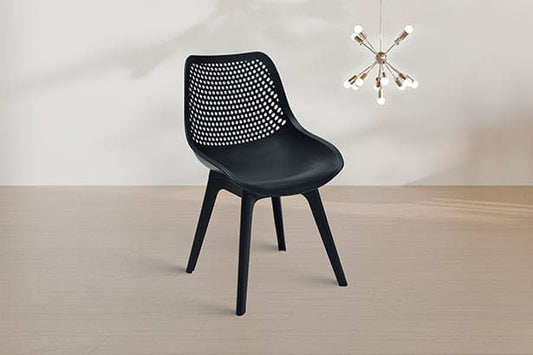
Plastic chairs now rival any furniture material in terms of design diversity and aesthetic appeal. The ease of molding plastic allows designers to create shapes and forms that would be difficult or impossible with traditional materials.
Contemporary plastic chairs range from ultra-minimalist Scandinavian-inspired designs to bold, sculptural statement pieces that serve as conversation starters. Color options have expanded exponentially, moving far beyond basic white or brown to include vibrant hues, pastel tones, metallic finishes, and sophisticated neutral shades that complement any décor scheme.
Designer collaborations have elevated plastic chairs into the realm of fine furniture. Renowned designers now create plastic chairs that appear in museums and high-end showrooms, proving that plastic can be both affordable and aspirational. These design-forward pieces demonstrate how material choice no longer limits creative expression.
Ergonomic innovations represent another design frontier for plastic chairs. Modern manufacturing techniques allow for contoured seats and backs that support proper posture and comfort during extended sitting. Some plastic chairs now incorporate advanced features like lumbar support and flexible backrests that adapt to users' movements.
The modular design trend has also influenced plastic chair development. Some contemporary plastic seating systems allow for customization through interchangeable components or modular arrangements that can be reconfigured based on changing needs. This flexibility appeals to consumers who value adaptability in their furniture choices.
How Do Plastic Chairs Excel in Versatility and Functionality?
Plastic chairs demonstrate remarkable versatility that allows them to transition seamlessly between different uses and environments. This chameleon-like quality makes them invaluable for both residential and commercial applications.
Indoor-outdoor flexibility ranks among their greatest strengths. The same plastic chair can furnish a dining room one day and serve poolside guests the next without requiring special treatment or protection. This dual-purpose capability eliminates the need for separate indoor and outdoor furniture inventories.
Stackability provides immense practical value, particularly in spaces that host varying numbers of people. Family homes can store extra chairs for holiday gatherings without dedicating permanent space to them. Event venues can adjust seating capacity from intimate gatherings to large conferences using the same chair inventory.
The lightweight construction of plastic chairs facilitates easy rearrangement, encouraging spontaneous space reconfiguration. Parents can quickly set up children's play areas, while businesses can transform meeting rooms into collaborative spaces within minutes. This mobility supports dynamic lifestyles and flexible work environments.
Plastic chairs adapt to diverse functional requirements across different settings. They serve as casual seating in cafés, formal dining chairs in restaurants, task seating in offices, and comfortable lounging options in gardens. This functional versatility means a single furniture type can address multiple needs throughout a property or business.
Why Are Plastic Chairs the Smart Choice for Durability?
Plastic chairs deliver exceptional longevity that often surprises consumers accustomed to equating affordability with short lifespans. When properly manufactured from quality materials, plastic chairs can provide many years of reliable service.
The inherent properties of modern plastic formulations provide resistance to many degradation factors that affect other materials. Plastic chairs don't suffer from insect damage-termites cannot consume plastic, unlike wood. They're immune to rust and corrosion that affect metal furniture. They won't crack or splinter like wood, eliminating safety concerns associated with damaged wooden furniture.
Quality plastic chairs withstand significant weight and stress without permanent deformation. Advanced polymer science has produced materials that flex under load but return to their original shape, providing lasting comfort and structural integrity. This resilience makes them suitable for high-traffic commercial environments where furniture endures constant use.
The durability of plastic chairs translates directly to environmental benefits by reducing replacement frequency. Furniture longevity represents one of the most effective sustainability strategies-the chair that doesn't need replacing generates no additional environmental impact. This long service life challenges the "disposable plastic" stereotype, positioning quality plastic chairs as durable goods rather than temporary solutions.
Climate resilience further extends plastic chair lifespan. Unlike materials that expand and contract with temperature fluctuations, quality plastic maintains dimensional stability across wide temperature ranges. This stability prevents stress cracks and structural weakening that can occur with other materials exposed to temperature cycling.
What Role Do Plastic Chairs Play in Space Optimization?
Plastic chairs offer unique space-saving characteristics that prove invaluable in modern living and working environments where square footage comes at a premium. Urban dwellers and businesses operating in expensive real estate markets particularly benefit from these space-efficient properties.
Stackable design allows for vertical storage that maximizes floor space utilization. A set of eight to twelve plastic chairs can be stacked in a footprint of approximately two square feet, freeing valuable space for other uses when chairs aren't needed. This compact storage capability makes plastic chairs ideal for small apartments, multipurpose rooms, and businesses that host occasional large gatherings.
The lightweight nature of plastic chairs enables storage in overhead spaces or on high shelves where heavier furniture would pose safety concerns. Homeowners can utilize garage rafters or closet tops for seasonal chair storage without requiring assistance or special equipment.
Commercial applications particularly value the storage efficiency of plastic chairs. Banquet halls, community centers, and places of worship can maintain large seating inventories without dedicating permanent floor space to furniture. This flexibility allows spaces to serve multiple functions, increasing facility utilization and return on investment.
Modular and folding plastic chair options further enhance space optimization. Some designs fold flat for even more compact storage, while others nest together in space-saving arrangements. These innovations reflect ongoing design evolution that addresses real-world space constraints.
How Do Plastic Chairs Support Hygiene and Easy Maintenance?
Plastic chairs provide superior hygiene benefits that make them particularly valuable in healthcare, education, food service, and other environments where cleanliness is paramount. Their non-porous surfaces prevent bacteria and viruses from penetrating material fibers where they could multiply and spread.
Cleaning plastic chairs requires nothing more than common household cleaning products and water. Most spills wipe away easily without staining, unlike upholstered furniture that can harbor stains and odors indefinitely. This simple maintenance routine saves time and labor costs while ensuring consistently clean seating.
The ability to use stronger disinfectants on plastic surfaces represents a significant advantage in healthcare and institutional settings. Plastic chairs can withstand regular sanitization with hospital-grade cleaning solutions without material degradation, making them essential for maintaining hygiene standards in medical facilities, dental offices, and senior care centers.
Allergen management benefits particularly appeal to health-conscious consumers. Plastic chairs don't collect dust mites, pet dander, or pollen in the way that fabric-upholstered furniture does. This characteristic makes them ideal for individuals with allergies or asthma who need to minimize environmental allergens.
The moisture-resistant properties of plastic prevent mold and mildew growth that can occur in humid environments or after spills on porous materials. This resistance maintains both hygiene and appearance over time, particularly important for outdoor furniture or seating in tropical climates.
What Makes Plastic Chairs Perfect for Families with Children?
Plastic chairs excel in family-friendly environments where durability, safety, and easy maintenance intersect. Parents appreciate practical furniture solutions that withstand the inevitable spills, scratches, and rough treatment associated with active children.
Safety features inherent to modern plastic chair design include smooth, rounded edges that minimize injury risks from bumps and falls. The absence of splinters, sharp corners, or rust makes plastic chairs safer than many traditional alternatives for young children. Stable designs with wide bases reduce tipping risks, providing peace of mind for parents.
The easy-clean nature of plastic chairs proves invaluable for families. Children's spills-from juice to paint to food-wipe away quickly without permanent damage or staining. This forgiving characteristic reduces parental stress and allows children to develop independence during mealtimes and activities without constant adult supervision over furniture care.
Lightweight construction enables children to move chairs independently, fostering autonomy and self-reliance. A child can pull out their own chair for meals, move seating for play activities, or help with household tasks like table setting. This independence builds confidence while reducing the need for adult assistance with everyday activities.
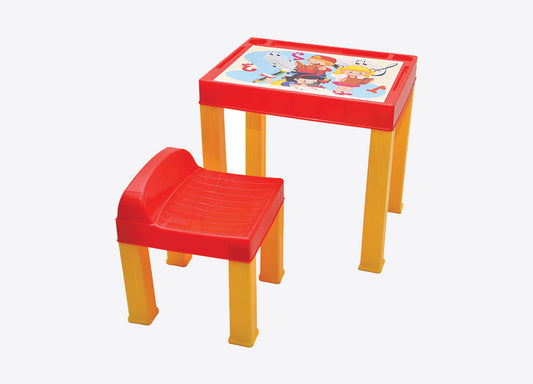
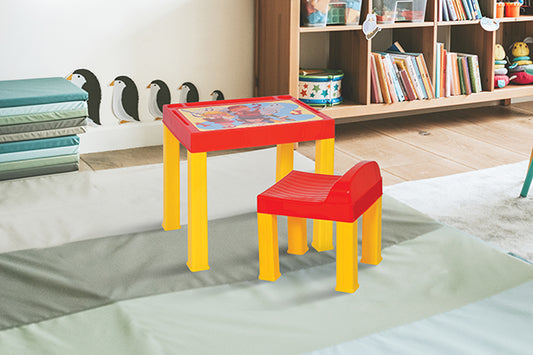
Specialized children's plastic chairs come in vibrant colors and playful designs that appeal to young users. Some manufacturers create chairs specifically scaled for different age groups, ensuring proper proportions and comfort as children grow. These kid-specific designs make mealtimes, study time, and play more enjoyable while supporting proper posture development.
Why Are Plastic Chairs Essential for Modern Event Management?
Plastic chairs have become indispensable tools for event planners and venue managers who must balance aesthetics, functionality, and logistics. The event furniture rental industry relies heavily on plastic chairs due to their unique combination of benefits that address real-world challenges.
Transportation efficiency represents a critical advantage. Plastic chairs' lightweight construction significantly reduces shipping costs and fuel consumption compared to heavier alternatives. A standard truck can transport hundreds more plastic chairs than wooden or metal equivalents, improving delivery economics and environmental impact.
Quick setup and breakdown times directly impact event profitability and attendee experience. Staff can arrange plastic chair seating layouts rapidly, reducing labor costs and preparation time. After events, efficient tear-down and loading minimize venue rental periods and associated costs.
The stackable design of plastic chairs optimizes storage between events. Rental companies can maintain large inventories in relatively small warehouse spaces, improving business efficiency and reducing overhead costs. This storage density allows smaller businesses to compete effectively by maintaining diverse chair styles without excessive facility requirements.
Durability under intensive use matters tremendously for event furniture. Quality plastic chairs withstand frequent loading, unloading, stacking, and use by diverse individuals without showing excessive wear. This longevity protects rental company investments while ensuring presentable furniture for every event.
Weather independence expands business opportunities for outdoor events. Event planners can specify plastic chairs for outdoor weddings, festivals, concerts, and corporate functions without worrying about last-minute weather changes damaging furniture. This reliability reduces risk and eliminates the need for expensive backup plans.
Conclusion: The Timeless Appeal of Plastic Chairs
Plastic chairs have earned their position as one of the most practical, versatile, and valuable furniture solutions available in 2026. Their combination of affordability, durability, design flexibility, and environmental responsibility addresses the diverse needs of modern consumers and businesses.
The remarkable growth trajectory of the plastic chairs market-projected to reach $22.4 billion by 2034-reflects genuine value rather than mere convenience. As manufacturing techniques advance and sustainability initiatives mature, plastic chairs continue evolving from functional necessities to design-forward furniture pieces that enhance any space.
At Italica, we've witnessed the transformative impact of quality plastic chairs across countless applications. Whether furnishing a home, equipping a restaurant, outfitting an office, or planning an event, plastic chairs deliver consistent performance that exceeds expectations while respecting budget constraints.
The versatility of plastic chairs means they're truly perfect for any occasion-from casual family dinners to formal business meetings, from intimate gatherings to large-scale events, from climate-controlled interiors to challenging outdoor environments. This universal adaptability, combined with growing environmental consciousness and continued design innovation, ensures that plastic chairs will remain essential furniture choices for decades to come.
Frequently Asked Questions About Plastic Chairs
Are plastic chairs strong enough for daily use?
Yes, modern plastic chairs are engineered for durability and regular use. Quality plastic chairs made from polypropylene or polyethylene can support significant weight and withstand years of daily use without structural degradation. Many manufacturers design plastic chairs to meet or exceed industry standards for commercial furniture, making them suitable for high-traffic environments like restaurants and offices.
How long do plastic chairs typically last?
Well-manufactured plastic chairs can last 10-15 years or longer with proper care. Factors affecting longevity include material quality, UV protection in the plastic formulation, usage intensity, and storage conditions. Outdoor plastic chairs with UV stabilizers maintain their integrity even with continuous sun exposure, while indoor chairs may last even longer due to protected conditions.
Are recycled plastic chairs as durable as new plastic chairs?
Modern recycled plastic chairs match or exceed the durability of chairs made from virgin plastic. Advanced recycling and manufacturing processes ensure that recycled plastic maintains the same structural properties as new material. Many premium furniture brands now use 100% recycled plastic in their chairs without compromising quality, demonstrating that sustainability and durability are not mutually exclusive.
Can plastic chairs be used in formal settings?
Absolutely. Contemporary plastic chair designs range from casual to sophisticated, with many options suitable for formal environments. Designer plastic chairs now appear in upscale restaurants, corporate boardrooms, and luxury homes. Sleek designs, elegant colors, and refined finishes make certain plastic chairs indistinguishable from more expensive materials at first glance while offering superior practical benefits.
What's the best way to clean and maintain plastic chairs?
Cleaning plastic chairs is simple-just use mild soap and water with a soft cloth or sponge. For tougher stains, a solution of baking soda and water works well. Avoid abrasive cleaners or scrubbing pads that might scratch surfaces. Periodic cleaning prevents dirt buildup, while occasional treatment with plastic protectant can maintain luster on outdoor chairs. For commercial settings, plastic chairs can withstand regular sanitization with approved disinfectants.
How do plastic chairs contribute to environmental sustainability?
Plastic chairs support sustainability through multiple pathways. Many are now manufactured from recycled post-consumer or post-industrial plastic waste, diverting materials from landfills. Their long lifespan reduces replacement frequency, minimizing environmental impact over time. At end-of-life, plastic chairs can be recycled again, supporting circular economy principles. Additionally, their lightweight nature reduces transportation emissions compared to heavier furniture alternatives.
For more information about quality plastic chairs and furniture solutions, visit Italica Furniture or explore industry insights at Plastic Furniture Market Research.