

Plastic Sunlounger vs Wooden Lounger: Which Is Better for Indian Homes?
Share
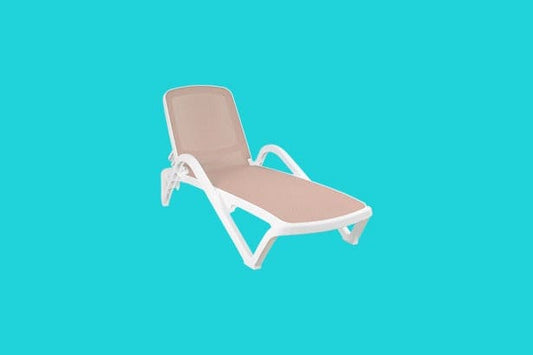
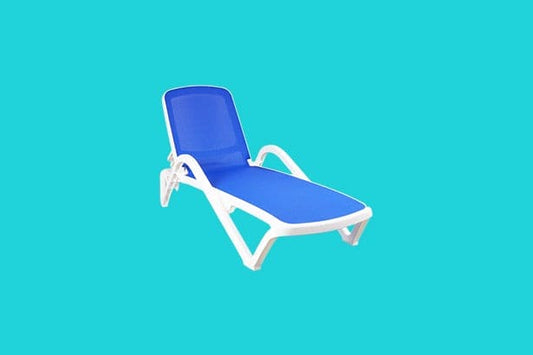
Plastic sunlounger options have quietly taken over India's outdoor furniture market - and for good reason. Whether you're designing a rooftop retreat in Mumbai, a poolside lounge area in Bengaluru, or a resort terrace in Jaipur, the lounger you choose says a lot about your priorities: durability, maintenance, cost-efficiency, and aesthetic appeal.
India's outdoor furniture market is witnessing a significant upswing. According to the Indian Furniture Market Report 2025–2026, the segment is projected to grow at a CAGR of over 9% through 2028, driven by rising disposable incomes, urban housing expansion, and a growing appetite for lifestyle upgrades. As more Indian homeowners, hoteliers, and commercial buyers invest in outdoor spaces, the debate between plastic and wooden sunloungers has never been more relevant.
If you're exploring premium outdoor seating options, Italica's plastic sunloungers and pool furniture collection offers a wide range tailored specifically for Indian climates and lifestyles - from compact balconies to large commercial pool decks.
Why Are Plastic Sunloungers Growing in Popularity Across India in 2026?
Plastic sunlounger products have surged in demand across metro cities and Tier 2 markets alike. The reason is straightforward: they combine practicality with affordability without compromising on visual appeal.
India's unique climate - intense monsoons, blazing summers, and coastal humidity - creates very specific demands for outdoor furniture. Plastic, particularly high-density polyethylene (HDPE) and virgin polypropylene, resists moisture, UV radiation, and temperature fluctuations far better than untreated or semi-treated wood.
According to the Ministry of Statistics and Programme Implementation (MoSPI) household expenditure data for 2025–26, Indian urban households are increasingly allocating budget toward home lifestyle products, including outdoor furniture, garden décor, and utility items. This is especially pronounced in cities like Hyderabad, Pune, Ahmedabad, and Lucknow - markets where balcony culture and villa living are growing fast.
How Does a Plastic Sunlounger Compare to a Wooden Lounger on Durability?
Resistance to Weather and Moisture
Plastic sunlounger products are inherently waterproof. Unlike wood, which swells, cracks, or warps during India's four-to-five-month monsoon season, a quality plastic lounger retains its shape and structural integrity year after year.
Wooden loungers require seasonal sealing, varnishing, or oil treatment to prevent rot and termite damage - especially in coastal regions like Kerala, Goa, Odisha, and Tamil Nadu. In contrast, plastic requires only a wipe-down with a damp cloth.
UV and Heat Resistance
High-quality plastic sunloungers manufactured using UV-stabilised polymers maintain their colour and form even under sustained exposure to Indian summers, where temperatures frequently exceed 40°C. Untreated wood exposed to the same conditions tends to bleach, crack, or splinter over time.
At Italica, we focus on using premium-grade, UV-stabilised virgin plastic in our manufacturing process - ensuring that each sunlounger retains its finish and structural strength across multiple seasons.
Is Wooden Furniture Still Relevant for Indian Homes in 2026?
The Case for Wood
Wooden furniture holds a strong emotional and aesthetic value in Indian culture. Teak, sheesham, and acacia have long been prized for their warmth, craftsmanship, and status association. High-end resorts, heritage hotels, and luxury villa projects often specify wooden loungers for their visual premium.
However, the environmental and economic realities of 2026 are shifting this preference. According to the Forest Survey of India's State of Forest Report 2023, India continues to face challenges around sustainable timber sourcing, with rising restrictions on commercial logging. This directly impacts the cost and availability of quality hardwood for furniture manufacturing.
The Hidden Cost of Wooden Loungers
Wooden loungers, while beautiful at first, carry a higher total cost of ownership:
-
Regular oiling or varnishing every season
-
Vulnerability to termites, especially in humid climates
-
Higher upfront cost for quality hardwood variants
-
Risk of fading, cracking, or warping if exposed to Indian monsoons without protective covering
-
Heavier weight makes rearranging or storage more difficult
For Indian homeowners seeking low-maintenance, long-life outdoor furniture, the economics increasingly favour plastic.
Why Do Hotels, Resorts, and Commercial Buyers Prefer Plastic Sunloungers in India?
Bulk Purchasing Advantages
Commercial buyers - including resort chains, hospitality groups, residential complexes, and club houses - are the fastest-growing segment for plastic outdoor furniture in India. Their reasons are pragmatic:
-
Lightweight logistics: Plastic units are significantly lighter than wood, reducing shipping and handling costs across Tier 2 and Tier 3 locations.
-
Uniformity at scale: Consistent colour, size, and form across large orders, unlike wood where natural variation can affect visual consistency.
-
Low maintenance overhead: No seasonal upkeep costs for large pool or beach setups.
According to Italica's 2026 market insights, bulk orders for plastic pool loungers and outdoor seating have grown significantly year-on-year, with strong demand emerging from resort developers in Rajasthan, hospitality groups in Himachal Pradesh, and residential townships in Maharashtra and Gujarat.
How Does Italica Ensure Quality in Plastic Sunlounger Manufacturing?
Quality assurance is at the core of Italica's manufacturing philosophy. Italica's advanced manufacturing facilities in India employ multi-stage quality control processes - from raw material selection to mould precision and post-production testing.
Every Italica plastic sunlounger is:
-
Manufactured using virgin-grade polypropylene - not recycled or mixed-grade plastic
-
Tested for load-bearing capacity to meet Indian Standards Institution (ISI) benchmarks
-
Designed with ergonomic contour profiles suited to extended use in pool, beach, and terrace settings
-
Finished with UV-resistant coatings to prevent colour fade under Indian summer conditions
-
Available in multiple colour variants including white, beige, grey, and terracotta - aligned with current 2026 Indian interior design trends
This commitment to quality ensures that buyers - whether homeowners or bulk commercial purchasers - receive consistent, long-lasting products.
What Are the Sustainability Considerations for Plastic vs Wood Furniture in India?
This is a question that matters increasingly to Indian consumers in 2026. Both materials carry environmental trade-offs.
Wooden furniture, if sourced from non-certified or illegally logged timber, contributes to deforestation. India's timber import bill has risen steadily, with concerns around supply chain transparency growing in urban markets.
Plastic furniture, particularly products manufactured from virgin-grade or responsibly sourced polymers, can offer a long-use lifecycle that reduces per-year environmental impact. When a plastic sunlounger lasts 10–15 years with minimal maintenance, its lifecycle footprint per use is considerably lower than wooden furniture replaced every 3–5 years.
The Indian Plastics Industry is also moving toward responsible manufacturing standards. According to the Chemicals and Petrochemicals Manufacturers' Association (CPMA), leading plastic product manufacturers in India are increasingly integrating sustainable practices across production - a shift that Italica has embraced in its operational framework.
Which Indian Climates and Settings Are Best Suited for Plastic Sunloungers?
Plastic sunlounger products are ideal across a wide range of Indian geographies and settings:
|
Setting |
Why Plastic Works Best |
|
Coastal regions (Goa, Kerala, Tamil Nadu) |
Salt air and humidity resistance |
|
Monsoon-heavy zones (Maharashtra, West Bengal) |
Fully waterproof, no swelling or warping |
|
Desert climates (Rajasthan, Gujarat) |
High UV and heat resistance |
|
Mountain resorts (Himachal, Uttarakhand) |
Frost-resistant and easy to store indoors |
|
Urban rooftops and balconies |
Lightweight, stackable, and space-efficient |
|
Hotel pools and club houses |
Durable under heavy commercial use |
Wooden loungers remain aesthetically preferred in heritage resort settings and high-end boutique hotels where visual premium justifies higher maintenance cost. However, for the vast majority of Indian residential and commercial applications, plastic delivers better long-term value.
People Also Ask
Q: Are plastic sunloungers safe for prolonged outdoor use in India?
Yes. High-quality plastic sunloungers made from UV-stabilised virgin polypropylene are designed for prolonged outdoor use in Indian climates. They resist moisture, UV radiation, and heat without requiring seasonal maintenance.
Q: How long does a plastic sunlounger last in Indian weather conditions?
A premium plastic sunlounger, when made from virgin-grade materials and UV-stabilised polymers, typically lasts 10–15 years under regular outdoor use in Indian weather conditions.
Q: Is plastic furniture environmentally friendly compared to wooden furniture?
When considering the full lifecycle, a long-lasting plastic sunlounger that requires no chemical treatments or replacements for over a decade can have a lower per-year environmental impact than wooden furniture that needs regular chemical maintenance or periodic replacement.
Q: Which is easier to maintain - a plastic or wooden sunlounger?
Plastic sunloungers require virtually no maintenance beyond occasional cleaning with water and a mild detergent. Wooden loungers require seasonal oiling, varnishing, and protection from monsoon moisture.
Q: Can plastic sunloungers be used for commercial pool areas in India?
Absolutely. Plastic sunloungers are the preferred choice for commercial pool areas, resorts, and club houses across India due to their low maintenance, uniformity at scale, and resistance to water and UV damage.
Q: Where can I buy quality plastic sunloungers for bulk commercial use in India?
Italica offers a comprehensive range of plastic sunloungers and pool furniture available for retail and bulk commercial orders. Visit Italica's pool and beach collection to explore the full range.
Conclusion: Which Is Better for Indian Homes - Plastic or Wood?
Plastic sunlounger products win decisively on practicality, durability, ease of maintenance, and value for money for the overwhelming majority of Indian buyers in 2026. Whether you're a homeowner fitting out a new balcony in Pune, a resort developer sourcing 200 pool loungers in Goa, or a retailer in a Tier 2 city looking to stock high-demand outdoor furniture - quality plastic is the smarter, more sustainable choice for modern Indian living.
Wooden loungers retain their place in heritage hospitality and high-end boutique settings where aesthetic premium commands the investment. But for everyday durability, commercial scalability, and low total cost of ownership, plastic is the future of outdoor furniture in India.
At Italica, we focus on giving Indian buyers the best of both worlds - furniture that looks great, lasts long, and stands up to every season India throws at it. Explore our full range of outdoor and pool furniture at italica.com/collections/pool_beach.