

Plastic Chairs That Perfectly Suit Every Corner of Your Home
Share
Plastic chairs have transformed from simple, utilitarian furniture pieces into versatile design elements that seamlessly blend functionality with contemporary aesthetics. In 2026, these affordable seating solutions continue to dominate homes worldwide, offering homeowners the perfect combination of durability, style, and practicality. At Italica, we understand that finding the right seating for every corner of your home requires more than just picking any chair-it demands thoughtful consideration of design, material quality, and versatility. Whether you're furnishing your dining room, creating a cozy balcony retreat, or designing a functional home office, plastic chairs offer unmatched flexibility that adapts to your lifestyle. According to Italica's extensive research and customer insights, modern plastic chairs have evolved far beyond their basic predecessors, now featuring ergonomic designs, sophisticated color palettes, and eco-friendly materials that align with today's sustainability-conscious consumers.
The global plastic chairs market reached an impressive valuation of USD 10.4 billion in 2023 and is projected to grow to USD 17.7 billion by 2033, reflecting a robust CAGR of 5.4%. This remarkable growth underscores the enduring appeal of plastic chairs in contemporary living spaces. At Italica, we've witnessed firsthand how homeowners are increasingly choosing plastic chairs for their ability to complement diverse interior design styles while maintaining budget-friendly price points. The residential segment alone accounts for the largest market share, driven by consumers seeking affordable yet stylish seating options for dining areas, living rooms, outdoor spaces, and home offices.
Why Are Plastic Chairs Important in 2026?
Plastic chairs have become increasingly important in 2026 due to several converging trends that are reshaping how we think about home furnishing. The rapid urbanization across emerging economies has created unprecedented demand for space-efficient, lightweight furniture that can easily be moved, stored, and adapted to changing needs. With more people living in compact urban apartments, the stackable nature of plastic chairs offers a practical solution that traditional wooden or metal seating simply cannot match.
The sustainability movement has also elevated the importance of plastic chairs in the modern home. Manufacturers are now producing chairs using recycled materials-approximately 20% of new plastic chair products in 2024 were made from recycled or biodegradable materials. This shift toward eco-friendly production aligns with consumer values, as buyers increasingly prioritize environmentally responsible purchases. The ability to create beautiful, durable furniture from recycled plastic bottles, automotive waste, and post-consumer plastics represents a significant step forward in circular economy principles.
Furthermore, plastic chairs have evolved to meet the aesthetic demands of contemporary interior design. The 2026 furniture landscape emphasizes sculptural, organic silhouettes with soft edges that create calming, restorative environments. Modern plastic chairs now feature curved backs, rounded armrests, and minimalist profiles that complement the year's dominant design trends. They're available in rich autumnal colors, vibrant jewel tones, and sophisticated neutral palettes that seamlessly integrate with various décor styles-from Scandinavian minimalism to Mediterranean warmth.
How Do Plastic Chairs Work for Different Home Spaces?
Plastic chairs work exceptionally well across various home environments due to their inherent versatility and functional design. Their lightweight construction, typically weighing under 2.5 kilograms for standard models, makes them incredibly easy to reposition as your spatial needs change. This mobility is particularly valuable in modern homes where rooms serve multiple purposes-a dining area might transform into a workspace during the day, or a living room could become an entertainment zone for gatherings.
The manufacturing process for modern plastic chairs involves advanced injection molding techniques that allow for precise control over form, thickness, and structural integrity. This technology enables manufacturers to create chairs with ergonomic features such as contoured seats that support proper posture, flexible backs that adjust to body movement, and footrests that enhance comfort during extended sitting periods. The monobloc design-where the entire chair is molded as a single piece-eliminates joints and weak points, resulting in exceptional durability that can withstand years of daily use.
Weather resistance is another critical factor that makes plastic chairs work well throughout the home. Unlike wooden chairs that can warp or metal chairs that may rust, quality plastic chairs resist moisture, UV radiation, and temperature fluctuations. This makes them ideal for transitional spaces like covered patios, sunrooms, and balconies where furniture is exposed to varying environmental conditions. The material's inherent resistance to stains and easy maintenance-typically requiring only a simple wipe-down with a damp cloth-makes plastic chairs particularly suitable for high-traffic areas and homes with children or pets.
What Types of Plastic Chairs Suit Every Room?
Plastic chairs come in four primary categories that cater to different functional needs and aesthetic preferences within your home. Understanding these types helps you make informed decisions about which style best suits each space.
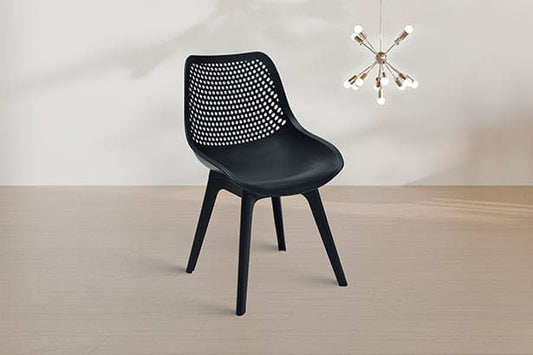
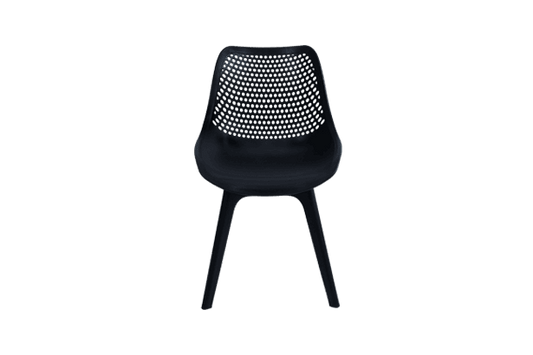
Monobloc Plastic Chairs: These single-piece chairs represent the most classic and widely recognized design. Monobloc chairs feature seamless construction that provides excellent structural integrity and easy maintenance. They're perfect for dining rooms, kitchens, and outdoor areas where you need durable, no-fuss seating. Modern monobloc designs now incorporate sculptural elements with curved lines and organic shapes that align with 2026's emphasis on soft, calming silhouettes.
Foldable Plastic Chairs: Space-saving foldable plastic chairs have seen a 28% increase in global demand, particularly among urban dwellers with limited storage space. These chairs excel in guest rooms, home offices, and multipurpose areas where you need flexible seating arrangements. When not in use, they fold flat for compact storage in closets or under beds, making them ideal for small apartments and homes that frequently host gatherings.
Armchair Plastic Chairs: Plastic armchairs combine comfort with sophistication, featuring supportive armrests and deeper seating proportions that encourage relaxation. These chairs work beautifully in living rooms, reading nooks, and home offices where extended sitting periods require additional support. Many contemporary plastic armchairs feature plush upholstered seats combined with molded plastic backs, creating a hybrid design that balances aesthetics with functionality.
Stackable Plastic Chairs: The stackable category leads in commercial and residential applications, offering the ultimate in space efficiency. These chairs can be stacked up to 10-15 high without losing stability, making them perfect for event spaces, dining rooms that occasionally accommodate large gatherings, and balconies where seasonal furniture rotation is common. Modern stackable designs incorporate anti-slip features and ergonomic profiles that don't compromise comfort for convenience.
Which Plastic Chair Colors and Styles Complement Modern Homes?
Plastic chairs in 2026 embrace a sophisticated color palette that moves beyond basic primary hues to include rich, complex tones that resonate with contemporary design trends. The shift toward warmer, moodier tones has replaced the cool grays and stark whites that dominated previous years, creating opportunities for plastic chairs to serve as statement pieces within your home's color scheme.
Autumnal colors lead the trend, with terracotta, burnt orange, deep olive, and warm rust tones appearing in over 35% of new plastic chair collections. These earthy hues complement the year's emphasis on natural materials and create a sense of grounded tranquility that aligns with Mediterranean-inspired interiors. When paired with natural wood tables, limewash walls, and stone accents, these warm-toned plastic chairs help establish a cohesive, organic aesthetic that feels both contemporary and timeless.
Jewel tones offer another compelling option for homeowners seeking to make bold design statements. Emerald green, sapphire blue, eggplant purple, and dusty rose plastic chairs serve as accent pieces that inject personality into neutral spaces. These rich colors work particularly well in occasional seating arrangements-placed in hallways, bedrooms, or home offices where they can express individuality without overwhelming the primary living areas.
Minimalist purists can opt for Scandinavian-inspired white, beige, or light gray plastic chairs with wooden legs that create an airy, clutter-free aesthetic. These neutral options feature clean lines and simple forms that emphasize functionality while maintaining visual lightness. Transparent or translucent plastic chairs in smoky grays or soft ambers provide a modern alternative that adds depth without dominating the visual landscape, making them ideal for small spaces where maintaining an open, flowing atmosphere is essential.
How Do You Choose the Right Plastic Chair for Each Corner?
Plastic chairs require thoughtful selection based on specific spatial requirements, usage patterns, and design goals for each area of your home. The decision-making process should consider both practical factors and aesthetic integration to ensure long-term satisfaction with your furniture choices.
For dining rooms, prioritize plastic chairs with ergonomic features that provide back support during extended meal periods. Look for models with contoured seats, slight backward recline, and seat heights between 45-50 centimeters that pair well with standard dining table heights of 75-80 centimeters. Stackable or foldable options work exceptionally well in dining spaces that occasionally accommodate larger gatherings, allowing you to store extra seating without dedicating permanent floor space. Consider chairs in colors that complement your table material-warm wood tones pair beautifully with terracotta or olive plastic chairs, while marble or stone tables look sophisticated with jewel-toned seating.
Living rooms demand plastic chairs that balance style with comfort. Armchair designs with plush cushioning or upholstered seats create inviting conversation areas without the maintenance requirements of fully upholstered furniture. Position curved, sculptural plastic chairs at angles that encourage interaction and complement the room's organic flow. In 2026's emphasis on comfort as non-negotiable, consider plastic chairs with deeper seating proportions and soft edges that contribute to the calming, restorative atmosphere that defines contemporary living spaces.
For outdoor areas including balconies, patios, and gardens, select plastic chairs specifically designed with UV resistance and weather-resistant properties. Modern outdoor plastic chairs can withstand temperature fluctuations from -20°C to 60°C without warping or fading, making them suitable for year-round use in most climates. Choose stackable designs that can be easily stored during severe weather events, and opt for perforated seats that allow water drainage in uncovered areas. Lightweight models under 2 kilograms work best for balconies where you may need to move furniture frequently to accommodate different activities or maximize sun exposure.
Home offices benefit from plastic chairs with ergonomic designs that support healthy posture during extended work sessions. Look for models with lumbar support, adjustable heights if available, and flexible backs that move with your body. While traditional office chairs offer more adjustment features, modern plastic chairs with ergonomic profiles provide adequate support for home workers who alternate between desk work and other activities throughout the day. Select neutral colors that minimize visual distraction and create a professional atmosphere conducive to focused work.
Are Plastic Chairs Durable and Long-Lasting?
Plastic chairs demonstrate remarkable durability when manufactured using quality materials and proper construction techniques. High-density polyethylene (HDPE) and polypropylene-the two most common plastics used in chair production-offer excellent resistance to impact, stress, and environmental factors that typically degrade furniture over time. Quality plastic chairs can easily last 10-15 years with normal residential use, and many manufacturers now offer warranties of 5-10 years to support their durability claims.
The durability of plastic chairs stems from several inherent material properties. Unlike wood that can split along grain lines or metal that can bend under stress, properly molded plastic distributes weight evenly across the entire structure. This uniform stress distribution prevents the formation of weak points that lead to catastrophic failure. Modern manufacturing processes incorporate UV stabilizers directly into the plastic compound, preventing the brittleness and color fading that affected earlier generations of plastic furniture. This means contemporary plastic chairs maintain their structural integrity and appearance even when exposed to direct sunlight for extended periods.
Impact resistance represents another key durability advantage. Plastic chairs can withstand drops, bumps, and rough handling that would crack wooden chairs or dent metal alternatives. This resilience makes them particularly suitable for homes with children, where furniture inevitably experiences more wear and tear than in adult-only households. The flexibility of plastic also means that chairs can bend slightly under stress before returning to their original shape, rather than breaking like more rigid materials.
Temperature tolerance has improved dramatically in modern plastic chair designs. While early plastic furniture became brittle in cold weather or soft in extreme heat, today's formulations maintain their structural properties across wide temperature ranges. This advancement extends the usable life of plastic chairs and expands their application to diverse climate zones and seasonal use patterns.
What Maintenance Do Plastic Chairs Require?
Plastic chairs rank among the lowest-maintenance furniture options available, requiring minimal care to maintain their appearance and functionality over years of use. This ease of maintenance contributes significantly to their popularity in both residential and commercial settings where cleaning time and effort represent important practical considerations.
Regular maintenance involves nothing more than wiping plastic chairs with a damp cloth and mild soap solution to remove dust, dirt, and everyday grime. Unlike upholstered furniture that requires professional cleaning or wooden pieces that need periodic refinishing, plastic chairs can be fully cleaned in minutes with common household supplies. This simplicity makes them ideal for busy households, homes with young children, and outdoor spaces where furniture is exposed to pollen, bird droppings, and weather-related dirt accumulation.
For stubborn stains or marks, a soft-bristled brush with slightly more concentrated soap solution effectively removes most residues without damaging the plastic surface. Avoid abrasive cleaners, steel wool, or harsh chemical solvents that can scratch or discolor the material. For chairs used outdoors, an occasional more thorough cleaning with a garden hose or pressure washer on a gentle setting refreshes their appearance and removes accumulated grime from textured surfaces.
Preventive maintenance extends the life of plastic chairs even further. When using plastic chairs outdoors, consider applying a UV protectant spray annually to supplement the built-in UV stabilizers in the plastic. This additional layer of protection helps maintain color vibrancy in direct sunlight exposure. During extreme weather events or winter months in harsh climates, storing plastic chairs in covered areas or indoor spaces prevents unnecessary exposure that accelerates aging.
Storage considerations are equally straightforward. Stackable plastic chairs can be vertically stored in compact spaces, reducing their footprint to a fraction of their in-use size. Foldable models store flat against walls or in closets, making them perfect for seasonal furniture rotation. Unlike wooden chairs that may develop mold or metal chairs that might rust in humid storage conditions, plastic chairs remain unaffected by moisture during storage periods, emerging ready for immediate use whenever needed.
How Do Eco-Friendly Plastic Chairs Support Sustainability?
Plastic chairs have undergone a remarkable transformation in their environmental profile, shifting from being perceived as environmental concerns to becoming part of the solution through innovative recycling and sustainable manufacturing practices. The plastic chairs market now embraces circular economy principles that minimize waste and reduce dependence on virgin petroleum-based plastics.
Recycled plastic chairs represent one of the most significant sustainability advances in the furniture industry. Approximately 20% of new plastic chair products in 2024 were manufactured using recycled materials, with this percentage expected to increase substantially in coming years. These chairs are made from post-consumer waste including plastic bottles, automotive parts, food containers, and even discarded toys. One notable example involves chairs made entirely from recycled PET bottles-some designs incorporate up to 111 recycled bottles per chair, effectively diverting substantial plastic waste from landfills and oceans.
Manufacturers increasingly source recycled materials locally, reducing transportation emissions associated with raw material procurement. Some companies have established closed-loop systems where production waste and end-of-life furniture are recycled back into new products, eliminating waste entirely from their manufacturing process. This approach not only reduces environmental impact but also creates more stable supply chains less vulnerable to fluctuations in virgin plastic prices.
The longevity of modern plastic chairs contributes to their sustainability credentials. A durable plastic chair that lasts 15 years generates far less environmental impact over its lifetime than multiple replacements would, regardless of the replacement furniture's material composition. When combined with recyclability at end-of-life, quality plastic chairs embody the principles of sustainable design-creating products that serve their function well, last as long as possible, and return to the production cycle rather than becoming waste.
Energy efficiency in manufacturing has also improved significantly. Modern injection molding processes require less energy than traditional woodworking or metalworking techniques, particularly when producing large quantities. The lightweight nature of plastic chairs reduces transportation emissions compared to heavier alternatives, with more units fitting into each shipping container and requiring less fuel for delivery.
What Are the Cost Benefits of Choosing Plastic Chairs?
Plastic chairs deliver exceptional value proposition that extends far beyond their initial purchase price, offering cost savings across multiple dimensions that make them economically attractive for budget-conscious homeowners and design enthusiasts alike. Understanding the total cost of ownership rather than just upfront expenses reveals why plastic chairs represent such wise investments.
Initial purchase costs for plastic chairs remain significantly lower than comparable wooden or metal alternatives. Basic monobloc designs start around $10-20 per chair, while more sophisticated designs with ergonomic features, designer aesthetics, or premium materials range from $30-100. Even at the higher end of this spectrum, plastic chairs cost 30-50% less than similar-quality alternatives in other materials. This affordability allows homeowners to furnish entire spaces-dining rooms with eight chairs, outdoor patios with complete seating sets-without straining household budgets.
Maintenance cost savings accumulate substantially over time. Plastic chairs require no refinishing, repainting, rust treatment, or professional cleaning services that other materials necessitate. The simple soap-and-water cleaning routine translates to negligible maintenance expenses across the furniture's lifetime. Compare this to wooden chairs that may need annual refinishing at $20-40 per chair, or metal chairs requiring rust treatment and painting, and the long-term savings become significant.
Replacement costs remain low due to plastic chairs' durability and impact resistance. While a dropped wooden chair might split beyond repair or a metal chair might develop irreparable rust damage, plastic chairs typically withstand these common household mishaps without permanent damage. This resilience reduces the frequency of furniture replacement, keeping long-term costs predictable and manageable.
Versatility creates additional economic value by eliminating the need for specialized furniture purchases. A set of stackable plastic chairs serves equally well for indoor dining, outdoor entertaining, and occasional seating needs, replacing what might otherwise require three separate furniture investments. The ability to reposition chairs throughout your home as needs change maximizes the utility and value extraction from each purchase.
Where Should You Place Plastic Chairs in Your Home?
Plastic chairs demonstrate remarkable versatility that allows strategic placement throughout your home, creating cohesive design narratives while addressing diverse functional requirements in each space. Understanding optimal placement strategies helps maximize both the aesthetic impact and practical utility of your plastic chair investments.
Dining rooms provide the most traditional and effective placement for plastic chairs, where sets of 4-8 chairs surround dining tables to create gathering spaces for meals and conversation. Position chairs with approximately 60 centimeters of clearance behind each seat to allow comfortable movement when pushing back from the table. Modern dining areas increasingly incorporate mixed-chair arrangements where different plastic chair styles or colors create dynamic, eclectic compositions that add personality to the space. This trend toward mismatched seating allows you to combine armchairs at table heads with armless side chairs along the sides, enhancing both comfort and visual interest.
Living rooms welcome plastic chairs as accent seating that complements primary sofas and loveseats. Position sculptural plastic chairs at conversation-encouraging angles, creating small groupings that facilitate interaction among guests. Curved plastic armchairs work particularly well as reading chairs positioned near windows with good natural light, paired with small side tables for beverages and books. The lightweight nature of plastic chairs makes them perfect for occasional furniture that can be moved to accommodate different social configurations-pulled into conversation circles during gatherings, then returned to corners or against walls for everyday living.
Home offices benefit from ergonomic plastic chairs positioned at proper desk heights with adequate lumbar support for productive work sessions. Place office plastic chairs with monitor screens at eye level to prevent neck strain, and ensure sufficient legroom beneath desks. Consider positioning a second, more comfortable plastic armchair in a corner of the office for reading work documents or taking phone calls away from the primary desk setup, creating distinct zones within the workspace.
Outdoor spaces-balconies, patios, gardens, and poolsides-represent ideal environments for weather-resistant plastic chairs. Create conversation groupings with 3-4 chairs arranged in semi-circles or L-shapes that encourage social interaction while maintaining open sightlines to outdoor views. On balconies with limited space, position foldable or stackable plastic chairs along railings where they provide seating when needed but fold away to maximize usable floor area. In garden settings, scatter individual plastic chairs in shaded areas under trees or near flower beds, creating contemplative spots for morning coffee or evening relaxation.
Frequently Asked Questions
Q: How long do plastic chairs typically last?
A: Quality plastic chairs made from high-density polyethylene or polypropylene typically last 10-15 years with normal residential use. Chairs designed for outdoor use with UV stabilizers can withstand continuous sun exposure for 8-12 years before showing significant fading or structural degradation. Factors affecting longevity include material quality, exposure to extreme weather, frequency of use, and maintenance practices. Many manufacturers now offer 5-10 year warranties that reflect confidence in their products' durability.
Q: Are plastic chairs comfortable for extended sitting?
A: Modern plastic chairs incorporate significant ergonomic improvements that provide comfort during extended sitting periods. Contoured seats that follow natural body curves, flexible backs that move with your posture, and proper lumbar support make contemporary plastic chairs suitable for 2-4 hours of comfortable sitting. For even longer durations, consider plastic chairs with upholstered seat cushions or armrests that provide additional support. While they may not match specialized ergonomic office chairs for all-day desk work, quality plastic chairs offer adequate comfort for dining, socializing, and light office tasks.
Q: Can plastic chairs be recycled at the end of their useful life?
A: Yes, most plastic chairs can be recycled when they reach the end of their useful life. Chairs made from polypropylene (PP) or high-density polyethylene (HDPE) are fully recyclable through specialized plastic recycling facilities. Check with local recycling centers to determine if they accept large plastic items like furniture. Some manufacturers operate take-back programs where old chairs are returned to the company for recycling into new products, creating closed-loop systems. When purchasing new plastic chairs, look for recycling symbols and material codes that indicate recyclability.
Q: Do plastic chairs work with different interior design styles?
A: Plastic chairs adapt remarkably well to diverse interior design styles ranging from minimalist Scandinavian to warm Mediterranean aesthetics. White or neutral-toned plastic chairs with wooden legs complement Scandinavian and contemporary minimalist spaces. Warm terracotta, olive, or rust-colored plastic chairs enhance Mediterranean and bohemian interiors. Transparent or translucent designs suit modern and industrial aesthetics. Jewel-toned plastic chairs add pops of color to eclectic or maximalist spaces. The key lies in selecting chair styles, colors, and forms that align with your overall design vision while leveraging plastic's inherent versatility.
Q: What weight capacity do standard plastic chairs support?
A: Standard residential plastic chairs typically support weight capacities between 100-150 kilograms (220-330 pounds) depending on design and material quality. Commercial-grade plastic chairs designed for hospitality or institutional use often support 150-180 kilograms (330-400 pounds) through reinforced construction and thicker material walls. Always check manufacturer specifications for specific weight limits. Quality plastic chairs distribute weight evenly through their monobloc construction or reinforced joint systems, preventing structural failure when used within their rated capacity. Avoid exceeding weight limits as this can lead to premature wear or sudden breakage.
Q: How do plastic chairs perform in extreme temperatures?
A: Modern plastic chairs withstand extreme temperatures remarkably well, maintaining structural integrity in conditions ranging from -20°C to 60°C (-4°F to 140°F). Cold weather causes minimal brittleness in quality plastics with proper formulations, while hot weather doesn't lead to significant softening or deformation. However, surface temperatures can become uncomfortable in direct sunlight-plastic chair surfaces may reach 50-60°C when exposed to intense sun for extended periods. Consider providing shade for outdoor seating areas or using seat cushions during peak sun hours. In extremely cold climates, storing plastic chairs indoors during winter months extends their lifespan by preventing unnecessary freeze-thaw cycles.
At Italica, we're committed to helping you discover plastic chairs that perfectly complement your home's unique character while meeting your practical needs. Our curated selection combines contemporary design trends with proven durability, offering seating solutions that adapt to your evolving lifestyle. Whether you're furnishing a cozy apartment or designing expansive outdoor entertainment areas, plastic chairs provide the versatility, affordability, and style that modern living demands. Explore the possibilities and transform every corner of your home into a space that welcomes comfort and celebrates your personal aesthetic vision.