

Plastic Cabinet vs Wooden Cabinet: Which Storage Solution Is Better for Indian Homes?
Share
Plastic cabinets are generally the more practical option for humid rooms, rental homes and low-maintenance everyday storage, while wooden cabinets may be preferred when a premium furniture look or custom-built design matters more. The right choice for an Indian home depends on moisture exposure, portability, maintenance, budget and the room in which the cabinet will be used.
Plastic Cabinet vs Wooden Cabinet: The Main Difference
The biggest difference is not simply appearance; it is how each material behaves in real household conditions. Plastic cabinets are lightweight, moisture-resistant and easy to maintain. Wooden cabinets can offer a heavier, more furniture-like appearance and may suit formal interiors, but the performance depends heavily on the type of wood, board, finish and exposure to humidity.
For Indian homes, the decision often comes down to room type, climate, budget, mobility and maintenance expectations. A cabinet that works beautifully in an air-conditioned bedroom may not be the best choice for a damp utility area or a rental home that moves every few years.
Plastic vs Wooden Storage Cabinet: Quick Comparison
|
Factor |
Plastic Cabinet |
Wooden Cabinet |
|
Moisture resistance |
High |
Varies by wood and finish |
|
Termite risk |
No termite damage to plastic |
Can require treatment |
|
Weight |
Light to moderate |
Moderate to heavy |
|
Maintenance |
Low |
Moderate |
|
Portability |
Easy |
Harder |
|
Aesthetic |
Clean, practical, modern |
Warm, furniture-like |
|
Typical use |
Utility, pantry, bedroom, rental homes |
Bedrooms, living areas, custom interiors |
1. Moisture and Monsoon Performance
Plastic does not absorb water, so it is well suited to humid climates and rooms where dampness is common. This makes it useful in kitchens, utility rooms and homes in coastal cities. Wooden furniture can perform well when properly treated, but engineered boards and poorly sealed edges may swell or delaminate when repeatedly exposed to moisture.
2. Termite and Pest Risk
Plastic is not a food source for termites. Natural wood and wood-based boards need appropriate treatment and maintenance depending on local conditions. In termite-prone areas, this difference can influence long-term convenience.
3. Weight and Portability
Plastic cabinets are generally easier to move around the house. That is useful for renters, growing families and anyone who rearranges rooms frequently. Wooden cabinets, especially solid wood units, are heavier and may require professional help to move safely.
4. Cleaning and Everyday Maintenance
A damp cloth is usually enough for a plastic cabinet. Wood may need more careful cleaning, and abrasive moisture or chemical exposure can affect the finish. For homes with children, pets or high dust levels, low-maintenance surfaces can be a major advantage.
5. Appearance and Interior Style
Wood has a natural visual warmth that many people prefer in living rooms and bedrooms. Plastic furniture has improved significantly, with textured finishes and neutral colour combinations that sit comfortably in modern homes, but it still creates a different aesthetic. The right choice depends on whether the cabinet is primarily a design feature or a hardworking utility product.
6. Cost and Value
Plastic cabinets are often more affordable than solid wood furniture and can offer good value for functional storage. Wooden cabinet pricing varies widely because engineered board, plywood and solid wood occupy very different price points. Instead of comparing only purchase price, consider maintenance, portability and likely room changes over the life of the cabinet.
Which Material Works Best by Room?
|
Room |
Usually More Practical |
Why |
|
Kitchen/Pantry |
Plastic |
Moisture resistance and easy cleaning |
|
Utility/Laundry |
Plastic |
Handles dampness and spills well |
|
Rental bedroom |
Plastic |
Easy to move and repurpose |
|
Formal master bedroom |
Wood or premium plastic |
Depends on design preference |
|
Home office |
Either |
Choose based on load, look and mobility |
Where Italica Plastic Cabinets Fit
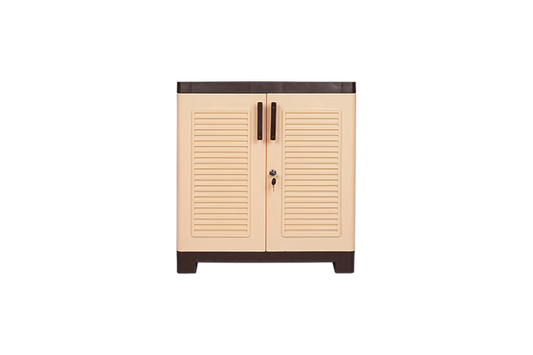
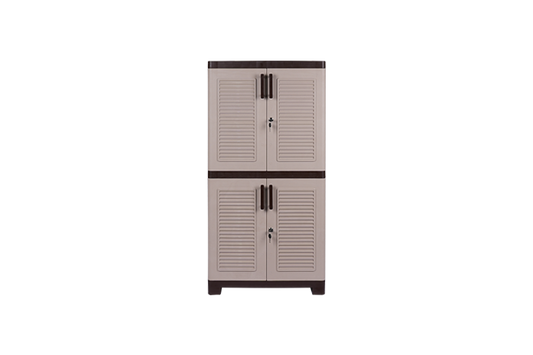
Italica’s 5514 Storage Cabinet is designed as a vertical, multipurpose plastic cabinet with adjustable shelves. Its listed dimensions are 1220 mm high, 590 mm wide and 350 mm deep, and it comes with a three-year warranty. The format is particularly useful when you want a compact floor footprint and the ability to repurpose the cabinet between rooms.
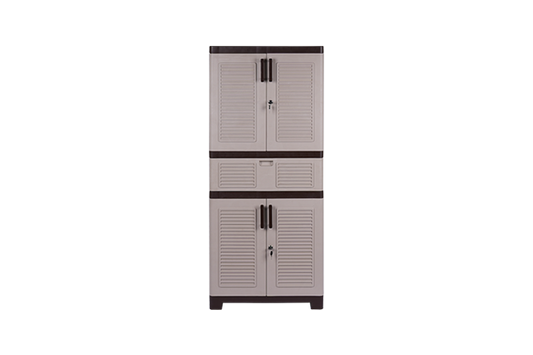
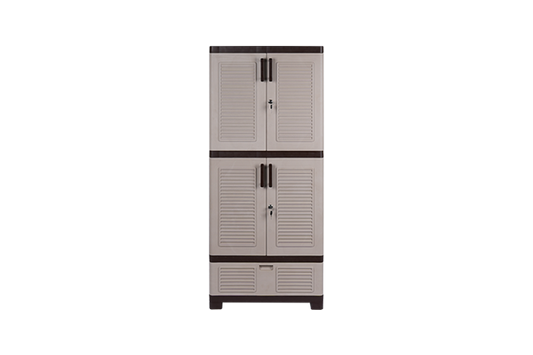
For a household that needs a drawer as well as shelf storage, Italica's 5514 DR extends the format to 1440 mm high while keeping the width and depth compact. This kind of modular, easy-maintenance storage is especially practical in apartments and rental homes.
When a Wooden Cabinet May Be the Better Choice
Choose wood when the cabinet is a major part of your interior scheme, when you want a very specific finish, or when you need custom carpentry built exactly into a wall niche. Solid, well-finished wood can last for many years when maintained properly and kept away from persistent moisture.
When a Plastic Cabinet Is the More Practical Choice
- You live in a humid or monsoon-heavy region.
- The cabinet will be used in a kitchen, utility room, balcony-adjacent area or other moisture-prone zone.
- You are renting and may need to move the furniture.
- You want low-maintenance storage that can be wiped clean quickly.
- You need a budget-friendly cabinet for functional everyday storage.
- You expect to repurpose the cabinet as your home changes.
How to Make the Final Decision
Start with the room rather than the material. Ask what will be stored, how often the cabinet will be moved, whether moisture is present and how important furniture aesthetics are in that location. For a formal bedroom, wood may appeal more. For a pantry, utility area or rental apartment, plastic often delivers easier ownership.
How Climate Changes the Plastic vs Wood Decision
India does not have one climate. A cabinet in a dry inland city may face very different conditions from furniture in Mumbai, Chennai, Kochi, Goa, Kolkata, or another humid coastal location. Monsoon moisture, poorly ventilated rooms, and proximity to kitchens or bathrooms can all affect material performance.
Plastic has a practical advantage in damp or high-humidity areas because it does not absorb moisture like untreated wood-based materials. Wood can still perform very well when properly seasoned, treated, finished, and maintained, but it generally asks more of the owner. This climate factor is one reason the same household may reasonably choose wood for a bedroom and plastic for a utility room.
Cost of Ownership Beyond the Purchase Price
The shelf price is only one part of furniture cost. Wooden furniture may require polishing, pest treatment, surface repairs, or careful relocation. Plastic generally has lower maintenance demands, although poor-quality products may need replacement sooner.
When comparing options, consider how long you expect to use the cabinet, whether you are likely to move homes, and how much maintenance you are willing to perform. A more expensive cabinet that lasts and suits the room can be better value than a cheaper unit replaced repeatedly.
When Wooden Cabinets Are the Better Choice
Wood has clear strengths. It can offer natural warmth, visual depth, custom dimensions, built-in configurations, and a premium furniture feel that plastic cannot completely reproduce. In permanent homes with carefully planned interiors, a well-made wooden cabinet may integrate better with beds, wardrobes, wall panelling, and other furniture.
Wood is also a strong choice when the household wants custom carpentry or a cabinet designed around unusual wall dimensions. The trade-off is that these benefits usually come with greater weight, higher cost, and more maintenance.
When Plastic Cabinets Are the Better Choice
Plastic is especially practical for renters, children's rooms, kitchens, utility spaces, balconies protected from direct weather, temporary offices, and homes that frequently rearrange furniture. Lightweight construction makes relocation easier, and wipe-clean surfaces suit high-use areas.
It is also useful where termites are a recurring concern or where humidity makes owners cautious about conventional wood-based furniture. For many households, the appeal is not that plastic looks more luxurious; it is that the furniture is easy to live with.
How to Compare Quality Within Each Material
Material labels alone do not guarantee quality. For plastic cabinets, examine panel rigidity, hinge quality, shelf support, door alignment, latch design, load guidance, and warranty. For wooden cabinets, check the type of wood or board, thickness, joinery, edge sealing, hardware, back panel, finish, and treatment.
A high-quality product in either material can outperform a poorly built alternative. The useful comparison is therefore not simply plastic versus wood, but well-designed plastic versus well-designed wood for a specific room and use case.
A Room-by-Room Decision Guide
For kitchens and utility areas, plastic often wins on maintenance and moisture resistance. For premium bedrooms and living rooms, wood may win on appearance. For children's rooms, plastic can be easier to clean and move. For home offices, either works depending on whether flexibility or formal styling matters more. For rental homes, plastic is generally easier to transport.
Thinking room by room avoids an unnecessary all-or-nothing decision. Many homes are best served by using different materials in different places.
How Longevity Depends on Use, Not Just Material
Cabinet life is strongly influenced by how the furniture is used. Overloading shelves, forcing misaligned doors, exposing furniture to direct water, or moving it incorrectly can shorten the life of any material. A plastic cabinet used within its intended load can remain practical for years, while a high-quality wooden cabinet that is protected from moisture and termites can last much longer. This is why warranty, construction quality, shelf support, hinges, and the intended room are more useful comparison points than broad assumptions about material alone.
Plastic vs Wood for Families with Children
Homes with children often prioritise easy cleaning and flexible layouts. Plastic cabinets can be wiped after spills, moved when the room is rearranged, and used for toys, books, clothes, or craft supplies. Wooden cabinets may offer a more permanent and premium look, but scratches, moisture, and frequent handling may require more care. Safety remains important with either material: tall furniture should be placed securely and heavy objects should be stored low.
What About Engineered Wood?
Engineered wood sits between solid wood and plastic in many buying decisions. It can provide a furniture-like appearance at a lower price than premium solid wood, but moisture performance depends heavily on board quality, edge sealing, finish, and room conditions. In a dry bedroom it may work very well; in a damp utility area, plastic may be easier to maintain. Buyers should therefore avoid treating every wood-based product as identical and check the exact construction before comparing prices.
Choose the Material Around Your Lifestyle
There is no single cabinet material that wins in every room. Wood can be beautiful and substantial; plastic can be flexible, moisture-resistant and easy to live with. For many modern Indian homes, especially apartments and rental spaces, a good-quality plastic cabinet offers a practical balance of storage capacity, low upkeep and portability.
Frequently Asked Questions
Is a plastic cabinet better than a wooden cabinet?
It depends on the use case. Plastic is usually better for moisture resistance, portability and low maintenance, while wood may be preferred for a premium furniture look or custom carpentry.
Do plastic cabinets last in Indian weather?
Good-quality plastic cabinets are well suited to Indian humidity because they do not absorb moisture and are not vulnerable to termites.
Are wooden cabinets stronger than plastic cabinets?
Strength depends on construction and material quality. Solid wood can be very strong, but modern reinforced plastic cabinets can handle everyday household storage effectively when used within their intended load.
Which cabinet is easier to move?
Plastic cabinets are generally much lighter and easier to relocate than wooden cabinets.
Which material is better for kitchen or utility storage?
Plastic is often the more practical choice in moisture-prone utility and kitchen areas because it is easy to clean and water-resistant.