

Monsoon-Proof Outdoor Furniture: How to Protect Plastic Chairs and Sunloungers in India
Share
India's monsoon does not forgive furniture that is not built for it. Between June and September, outdoor pieces face relentless humidity, heavy rain, waterlogging, and the kind of fungal growth that can ruin even a well-made product within a single season. Yet millions of Indian households, hotels, and commercial spaces continue to use outdoor furniture year-round - and the ones that do it successfully have one thing in common: they know how to prepare, protect, and store correctly.
This guide covers everything you need to keep your outdoor plastic chairs, sunloungers, and garden seating in excellent condition through the monsoon - and what to look for when buying furniture that actually survives it.
Why Does Monsoon Weather Damage Outdoor Furniture So Quickly in India?
The Indian monsoon is not just rain. It is a combination of sustained humidity (often above 80%), salt-laden coastal air in cities like Mumbai, Chennai, and Kochi, and rapid temperature swings that cause expansion and contraction in furniture materials.
Wood warps. Metal rusts. Fabric grows mould. Even plastic - the most weather-resistant common furniture material - can degrade if it lacks UV stabilisers or is made from low-grade resin that absorbs moisture over time. According to IMARC Group, India's plastic furniture market reached USD 18.9 billion in 2025, driven in part by growing consumer awareness of low-maintenance, weather-resistant materials. That shift is largely happening because Indian buyers have experienced monsoon damage firsthand.
Italica designs its outdoor furniture range specifically for the demands of the Indian climate - using virgin polypropylene with UV stabilisers and proprietary resin formulations that resist moisture absorption, surface chalking, and colour fade.
Is Plastic Furniture Actually Monsoon-Proof?
Not all plastic furniture is equal - and this is the most important thing to understand before buying.
High-quality plastic furniture made from virgin polypropylene or high-density polyethylene (HDPE) is genuinely one of the best materials for monsoon conditions. It does not rust, does not warp, does not absorb water, and can be cleaned with a simple wipe. Low-quality plastic furniture, made from recycled resin blends or thin-walled moulds, will crack under UV stress, develop surface pitting, and lose structural integrity after two or three monsoon seasons.
The difference shows up in:
-
Wall thickness - premium chairs have thicker, reinforced cross-sections that maintain shape under heat and humidity
-
UV stabilisers - added to the resin during moulding; without them, plastic yellows and becomes brittle within 12–18 months of outdoor use
-
Load-bearing construction - legs and joints designed to handle the slight expansion that occurs in high-humidity environments
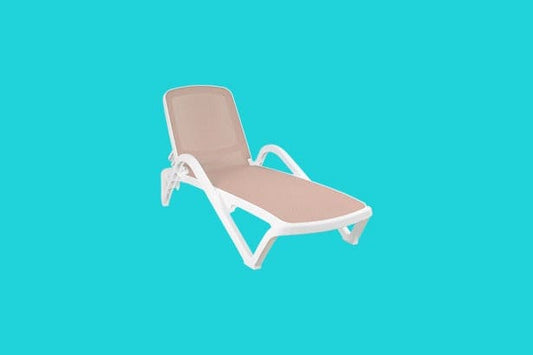
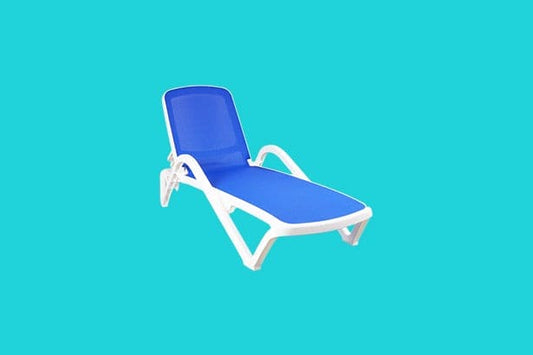
Italica's outdoor collection - including the Sunlounger 8106 and the Oxy Series outdoor chairs - uses virgin polypropylene with built-in UV protection, which is why they maintain their colour and structural integrity through multiple Indian monsoon seasons.
How Should You Prepare Outdoor Plastic Furniture Before the Monsoon Season?
Preparation before the rains arrive is far more effective than damage control after.
Step 1: Deep clean before the season starts
Wash all outdoor plastic furniture thoroughly with mild soap, warm water, and a soft-bristle brush. Pay particular attention to joints, undersides of seats, and any textured surfaces where dirt and organic matter accumulate. These are the spots where mould begins.
For stubborn stains or algae growth from the previous year, a diluted solution of white vinegar and water (1:3 ratio) works well on plastic surfaces without damaging the finish. Avoid abrasive scrubbers - they create micro-scratches that trap moisture and accelerate surface degradation.
Italica recommends this pre-season clean for all its outdoor products, including the pool-side sunloungers that see heavy use in resort and hospitality settings.
Step 2: Apply a UV-protective plastic polish
Once clean and dry, apply a UV-protective spray or plastic furniture polish. This creates a protective layer between the furniture surface and direct sun and rain. Products containing silicone or carnauba wax work particularly well on polypropylene surfaces.
Step 3: Inspect and tighten all connections
Folding chairs, adjustable sunloungers, and multi-piece furniture should have all joints, hinges, and lock mechanisms checked and tightened before the monsoon. Loose connections trap standing water, which accelerates corrosion of any metal fasteners.
Step 4: Elevate furniture off ground level
If furniture is stored outdoors through the monsoon, elevate it on rubber feet, wooden blocks, or a raised platform. Prolonged contact with waterlogged ground - especially in gardens with clay or compacted soil - causes premature wear at the base of chair legs.
What Is the Best Way to Store Outdoor Plastic Furniture During Heavy Rains?
The safest approach is to bring furniture indoors or under a covered structure during the peak of the monsoon - but this is not always practical.
If you have storage space:
Stack chairs neatly in a covered area - a store room, garage, or covered balcony. Italica's stackable chair designs, including the popular Oxy Series and Designer Series, are built for compact stacking, which makes indoor storage during off-season months practical even in smaller Indian homes. A stack of six to eight chairs takes up less floor space than a single sofa.
If furniture must remain outdoors:
-
Use weatherproof furniture covers. Look for covers made from polyester with a PVC backing - these shed water effectively and are UV-resistant themselves. Ensure covers are secured at the base so they do not blow off in strong monsoon winds.
-
Angle chairs forward or turn them upside down when not in use. This prevents water from pooling on seat surfaces.
-
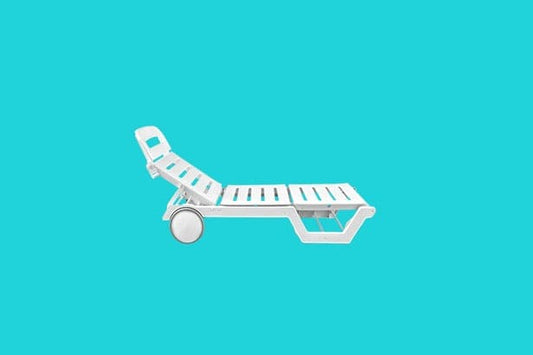
For sunloungers, fold them to their most compact position and orient them vertically against a wall under an overhang when heavy rain is forecast.
Italica's Phoenix Folding Chair is a good example of a design engineered for this kind of flexible storage - it folds flat in seconds and can be hung or leaned against a wall in a narrow corridor.
Which Outdoor Plastic Furniture Materials Hold Up Best in Indian Monsoon Conditions?
Indian buyers have more material options than ever - and the wrong choice for outdoor use can be a costly mistake.
|
Material |
Monsoon Performance |
Key Weakness |
Maintenance Level |
|
Virgin polypropylene (premium plastic) |
Excellent |
None significant if UV-stabilised |
Very low |
|
Recycled plastic / low-grade resin |
Poor to average |
Brittle under UV, colour fading |
Medium |
|
Powder-coated steel |
Good |
Scratches expose bare metal to rust |
Medium |
|
Aluminium |
Very good |
Soft, dents easily |
Low |
|
Teak wood |
Good |
Requires annual oiling, swells |
High |
|
MDF / engineered wood |
Very poor |
Swells, delaminates, mould-prone |
Not suitable outdoors |
|
Rattan / cane |
Poor |
Absorbs moisture, breaks down |
High |
For most Indian homes and commercial spaces, virgin polypropylene plastic furniture represents the best combination of weather resistance, low maintenance, and value. This is why Italica uses it as the base material across its entire outdoor range.
How Do You Remove Monsoon Stains and Mould From Plastic Outdoor Furniture?
Monsoon stains on outdoor plastic typically fall into three categories: green algae growth, watermarks and mineral deposits, and general mud and soil staining.
For algae and mould (green or black discolouration):
Mix one part white vinegar with three parts water in a spray bottle. Spray generously on affected areas, leave for 10 minutes, then scrub with a medium-bristle brush and rinse. For persistent mould on textured surfaces, a small amount of baking soda added to the vinegar solution increases abrasive action without scratching.
For hard water and mineral deposits (white or grey patches):
These are common in cities with hard municipal water supply - Rajasthan, parts of Maharashtra, and much of north India. Apply undiluted white vinegar directly to the deposit, leave for 15 minutes, and wipe off. Repeat if necessary.
For mud and general monsoon grime:
Warm water and mild dish soap is sufficient. The non-porous surface of quality polypropylene plastic means stains do not penetrate - they sit on the surface and wash off easily.
Italica's surface-moulded chair designs deliberately avoid deep decorative grooves that trap dirt, making post-monsoon cleaning faster and more thorough.
What Features Should You Look for When Buying Outdoor Plastic Furniture for Indian Conditions?
If you are buying outdoor furniture ahead of the monsoon, these are the features that matter most in the Indian context:
UV stabilisation - Ask specifically whether the product uses UV-stabilised resin. Italica, for instance, incorporates UV stabilisers into all its outdoor and pool-side products as standard. Without this, even quality plastic will yellow and chalk within one to two seasons of direct sun exposure.
Drainage design - Good outdoor seating has subtle drainage channels or drainage holes in the seat pan so water does not pool after rain. Flat-seated designs without drainage require towelling dry after every shower, which is impractical.
Load-rated construction - Monsoon humidity causes slight material expansion. Furniture tested to a specific load rating (typically 100–150 kg for standard chairs) at both ambient and elevated humidity gives you confidence that joints will not fail under combined weight and weather stress.
Stackability - For homes, hotels, and event venues that need to clear outdoor spaces quickly when heavy rain arrives, stackable furniture is a practical necessity. Italica's stackable chair range can be stacked six to eight units high in seconds.
Rust-free hardware - Any metal components - screws, hinges, adjustment mechanisms on sunloungers - should be stainless steel or marine-grade aluminium. Standard zinc-plated fasteners corrode rapidly in coastal and high-humidity environments.
Should You Buy Outdoor Furniture Covers or Just Bring Furniture Indoors?
Both approaches have merit - the right one depends on your space, furniture type, and monsoon intensity in your region.
In high-rainfall cities like Mumbai, Mangaluru, Cherrapunji, and Guwahati, where the monsoon delivers 2,500–11,000 mm of annual rainfall, indoor storage during peak monsoon months (July–August) is the most reliable protection strategy. Italica's compact, stackable designs make this feasible even in apartments with limited storage.
In moderate-rainfall cities like Delhi, Jaipur, and Ahmedabad, where monsoon intensity is lower and seasons shorter, quality furniture covers combined with periodic cleaning and the preparation steps outlined above are typically sufficient to keep outdoor furniture in excellent condition year-round.
A combination approach - covers for day-to-day light rain and indoor storage for extended monsoon periods - is what most hospitality properties that use Italica's Sunlounger 8106 and pool-side seating adopt.
Conclusion
The Indian monsoon does not have to mean damaged, discolored, or structurally compromised outdoor furniture. With the right preparation - a pre-season deep clean, UV-protective polish, elevated storage, and the occasional post-rain wipe - quality plastic outdoor furniture can serve your home, hotel, or commercial space reliably for years.
The key is starting with furniture that is genuinely built for Indian conditions: UV-stabilised, structurally sound, and easy to clean. Italica's outdoor range - from the stackable Designer and Oxy Series chairs to the pool-side Sunlounger 8106 - is engineered with exactly these conditions in mind. Explore the full outdoor and pool and beach collection at italica.com to find the right solution for your space.
Frequently Asked Questions
Q: Can plastic chairs be left outside in the rain in India?
A: High-quality polypropylene plastic chairs with UV stabilisation can withstand Indian monsoon conditions without significant damage. However, prolonged exposure to standing water at the base and intense UV radiation between rain spells will accelerate wear over multiple seasons. Bringing chairs under cover during heavy rain extends their lifespan considerably.
Q: How do I remove green algae from plastic garden chairs after the monsoon?
A: Spray a solution of one part white vinegar to three parts water on the affected surface, leave for 10 minutes, then scrub with a medium-bristle brush and rinse with clean water. For stubborn algae growth, adding a small amount of baking soda to the solution improves effectiveness without scratching the plastic.
Q: What is the best outdoor plastic furniture for coastal cities like Mumbai and Chennai?
A: For coastal environments, look for furniture with UV-stabilised polypropylene construction, stainless steel or marine-grade hardware, and a non-porous surface that resists salt air corrosion. Italica's outdoor chair and sunlounger range is designed to perform in India's coastal climatic conditions, including high humidity and salt-laden air.
Q: How should I store plastic sunloungers during the monsoon?
A: Fold sunloungers to their most compact position, clean and dry them thoroughly, and store them in a covered area - a store room, garage, or covered terrace. If outdoor storage is unavoidable, use a weatherproof furniture cover and orient the folded sunlounger vertically against a sheltered wall to minimise water contact and wind exposure.
Q: Do plastic chairs fade in colour during Indian monsoons?
A: Low-quality plastic chairs made from recycled or non-stabilised resin will fade, chalk, and lose colour after one to two seasons of outdoor exposure. Premium plastic furniture manufactured with UV stabilisers built into the resin - as used by Italica across its outdoor range - maintains colour integrity through multiple Indian monsoon seasons with minimal maintenance.