

How to Organize a Shoe Rack: 10 Easy Tips to Keep Your Entryway Clutter-Free
Share
The easiest way to organize a shoe rack is to keep only active footwear in the entryway, sort pairs by frequency and family member, assign fixed shelves, create a separate zone for shoe-care accessories and reset the system every few months. A compact, ventilated rack makes the routine easier because every pair has a clear place instead of ending up on the floor.
Why Shoe Racks Become Cluttered So Quickly
A shoe rack becomes messy when it is treated as unlimited storage. New footwear enters the house, old pairs never leave, each family member uses the easiest available shelf and shoe-care items get pushed into whatever gap remains. The result is a rack that looks full but is not actually organised.
To organize a shoe rack properly, you need a simple system based on frequency, family member and footwear type. The goal is not perfect styling; it is making sure the shoes you use most are easy to access while less-used pairs do not block them.
1. Take Every Pair Out First
Start with an empty rack. This lets you see how much usable space you really have and makes cleaning easier. Wipe the shelves, ventilation openings and floor area around the rack before putting anything back.
2. Sort Shoes by Frequency of Use
Create three groups: daily, occasional and seasonal. Daily shoes deserve the easiest shelves. Occasional shoes can go higher or lower. Seasonal footwear can be moved to secondary storage if your entryway is small.
3. Remove Pairs You No Longer Wear
A good rule is to question footwear that has not been worn for six to twelve months, excluding special-event shoes. Donate wearable pairs and discard footwear that is damaged beyond repair. Decluttering is the fastest way to create capacity without buying a larger rack.
4. Give Every Family Member a Zone
In shared homes, assign shelves or sections by person. Children can use lower shelves, while adults can use the middle and upper levels. A fixed zone prevents everyone from placing shoes in the nearest empty spot.
5. Keep Daily Footwear at the Best Reach Height
The middle shelves are usually the easiest to access. Use them for office shoes, school shoes, sandals and other everyday pairs. Heavy or dirty footwear can go lower so it is stable and easier to clean around.
6. Separate Clean and Dirty Footwear
Do not push muddy or wet shoes directly next to clean formal footwear. Let damp shoes dry first. During monsoon, keep a small mat or tray near the rack so wet footwear has a temporary drying zone before it is stored.
7. Use the Drawer or a Small Box for Accessories
If your shoe rack has a drawer, use it for polish, brushes, laces, insoles and cleaning cloths. If it does not, use one compact labelled box. Keeping accessories in a dedicated zone prevents shelves from becoming cluttered with small objects.
8. Arrange Shoes to Use Depth Efficiently
Place pairs neatly side by side where possible. For smaller footwear, alternating toe and heel direction can sometimes save a little width. Avoid stacking shoes unless the design specifically supports it, because stacked footwear becomes harder to access and may lose shape.
9. Clean the Rack on a Simple Schedule
Quick cleaning once a week and a deeper clean once a month is enough for most homes. Wipe plastic surfaces, remove dust from corners and check ventilation openings. During monsoon, clean more frequently if mud and moisture are entering the house.
10. Reset the Rack Every Three Months
Storage systems fail when they never get reviewed. Every few months, check whether the current arrangement still matches your routine. School terms change, seasons change and people buy new footwear. A five-minute reset prevents the rack from slowly returning to chaos.
A Simple Shoe Rack Organisation Plan
|
Shelf/Zone |
What to Store |
Why |
|
Upper shelves |
Occasional and special-event footwear |
Less frequent access is fine |
|
Middle shelves |
Daily office, school and casual shoes |
Fastest and easiest reach |
|
Lower shelves |
Heavy sports shoes and outdoor footwear |
Stable and easy to clean around |
|
Drawer/box |
Polish, brushes, laces, insoles |
Keeps small accessories together |
How Italica Shoe Racks Support Better Organisation
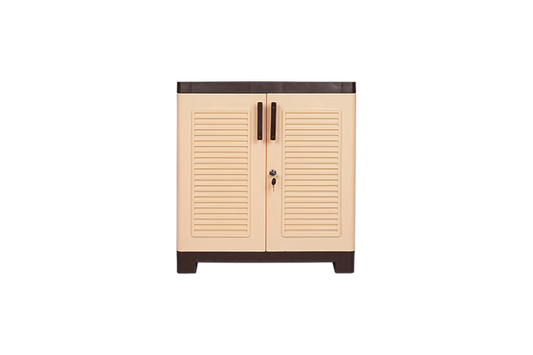
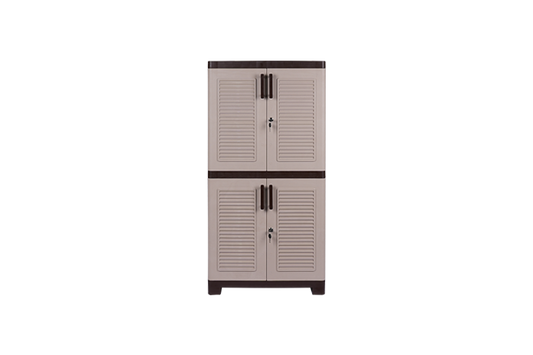
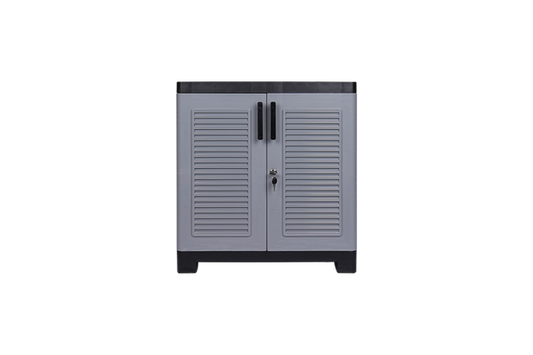
A well-designed rack makes organisation easier because the structure already creates defined levels. Italica’s 2 Feet Plastic Shoe Rack SR 5512 has a compact 590 mm width and 350 mm depth, with ventilation features intended for footwear storage. For small households, that can create a clear, dedicated shoe zone without taking over the entryway.
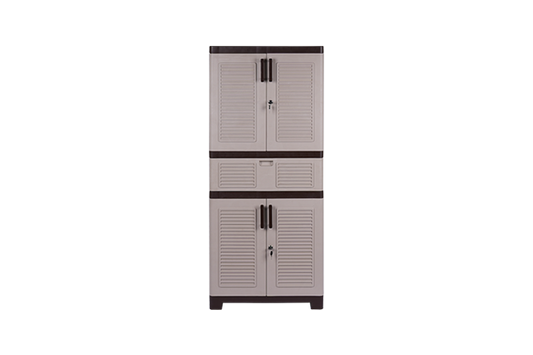
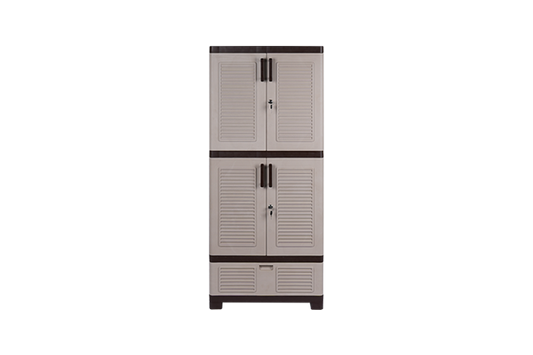
For larger collections, the Italica SR 5514 DR adds more vertical storage plus a drawer for accessories. Keeping shoe-care products in the same unit is useful because it prevents polish, brushes and spare laces from spreading to other drawers around the house.
Common Shoe Rack Organisation Mistakes
- Keeping every pair near the door, including rarely used footwear.
- Storing wet shoes immediately in a closed rack.
- Mixing shoe-care accessories loosely with footwear.
- Letting each family member use any shelf instead of assigning zones.
- Buying a bigger rack before decluttering the existing collection.
- Ignoring the floor and wall clearance needed to open and clean the rack properly.
How to Keep Your Entryway Looking Clutter-Free
The visual rule is simple: nothing should live permanently on the floor if it has a designated place in the rack. Keep the top surface clear or limit it to one useful tray. Avoid turning the shoe rack into a dumping zone for parcels, bags and helmets unless the unit is specifically designed for them.
A calm entryway is easier to maintain when the storage system matches your routine. If shoes come off at the main door, that is where the rack should be. If family members enter through a utility door, move the rack there instead of forcing everyone to carry footwear across the home.
Why Shoe Rack Organisation Usually Fails
Most shoe racks become messy for one of three reasons: too many pairs are stored near the entrance, nobody knows where each pair belongs, or the system is harder to follow than leaving shoes on the floor. The solution is not perfect styling. It is reducing decisions.
When every person knows which shelf is theirs, daily footwear is kept at easy reach, and occasion shoes live elsewhere, putting shoes away becomes almost automatic. Good organisation removes friction rather than adding rules.
A 15-Minute Shoe Rack Reset
Set a timer and empty the cabinet. Put daily footwear in one group, occasional pairs in another, and damaged or unused shoes in a third. Wipe the shelves while they are empty. Return only daily and weekly pairs to the prime shelves. Move rare-use footwear to secondary storage.
Use the last few minutes to pair loose shoes, clear the cabinet top, and gather accessories into one drawer or container. This short reset can recover a surprising amount of space without buying anything new.
How to Organise Footwear for a Family
Family shoe storage works best when responsibility is visible. Assign a shelf to each person or use a simple label system. Keep children's shelves lower so they can put footwear away independently. Place parents' daily shoes at comfortable reach and reserve upper sections for occasional pairs.
If several people own similar footwear, storing by person is usually easier than storing by style. The system should make it obvious where a pair belongs even when everyone is in a hurry.
How to Manage Seasonal and Occasion Footwear
Occasion shoes, festive footwear, hiking pairs, and travel shoes can consume the best shelf space even though they are rarely used. Store them in labelled boxes, a bedroom cabinet, or another dry location. Bringing them back to the entrance only when needed keeps the daily rack focused.
This rotation is particularly useful in small apartments because it allows a compact shoe rack to serve the household without permanent overflow.
Monsoon Shoe Rack Routine
During the rainy season, create a temporary drying spot outside the closed cabinet. Wipe mud and allow shoes to dry before storage. Clean the bottom shelves more frequently because wet soles carry additional dirt. Keep a cloth or small brush nearby so cleaning becomes part of the return-home routine.
Check for trapped moisture or odour periodically. Ventilation helps, but good habits matter just as much as cabinet design.
When Organisation Is Not Enough
Sometimes the rack is genuinely too small. If you have decluttered, moved occasional shoes elsewhere, and assigned shelves properly but footwear still sits on the floor, the household may need more vertical capacity.
Do not compensate by stacking shoes tightly or blocking ventilation. A taller rack can be a better long-term solution when the collection reflects real daily use rather than unnecessary accumulation.
How to Build a Shoe Rotation That Actually Works
A practical shoe rotation reduces the pressure on your main rack. Keep the pairs used during the current week near the entrance and move festive, travel, or seasonal shoes to secondary storage. Every few weeks, swap pairs as your routine changes. This keeps the rack from becoming a permanent archive of every shoe you own and makes it much easier to see what is available. For families, the same rotation can be done person by person so no one loses access to the footwear they use most.
Simple Rules for Keeping the Entryway Visually Clean
The shoe rack is only one part of the entrance. Bags, helmets, umbrellas, parcels, and keys can make the area look cluttered even when the footwear is perfectly organised. Give each of these items a separate place and avoid using the top of the rack as an overflow surface. If you want to keep a tray for keys or one decorative object, leave the rest of the surface clear. Visual simplicity makes a small entryway feel larger and also makes daily cleaning easier.
When to Upgrade the Rack Instead of Reorganising Again
If the household has already decluttered, rotated occasion footwear, and assigned shelves properly but daily shoes still do not fit, the issue is capacity rather than organisation. At that point, a taller or better-configured rack may be the more sensible solution. Continually stacking shoes or leaving pairs outside the cabinet makes the system harder to maintain. Storage should support your routine, not force the household into constant reshuffling.
A Better Entryway Starts with a Simple System
You do not need complicated organisers to keep footwear under control. A clear shelf plan, regular decluttering and a rack that suits the size of your household are enough. Once every pair has a predictable place, the entryway becomes easier to clean, faster to use and much less likely to return to clutter.
Find the Right Rack for Your Entryway
Once the system is set, the rack should make it easy to follow. Italica’s shoe racks are built to keep daily footwear within reach, give accessories a place to live and fit comfortably in Indian homes. Explore the full range at Italica and pick the one that suits your home.
Frequently Asked Questions
How do I organize a shoe rack at home?
Empty the rack, clean it, sort shoes by frequency and family member, keep daily pairs at easy reach, move seasonal footwear elsewhere and create one dedicated place for accessories.
How often should I clean a shoe rack?
A quick weekly wipe and a more thorough monthly clean works well for most homes. Clean more frequently during monsoon or if shoes bring in mud and water.
How can I organize shoes in a small entryway?
Keep only daily footwear near the entrance, use vertical storage and move occasional or seasonal pairs to bedroom or secondary storage.
Should shoes be stored in a closed cabinet?
Closed cabinets keep the entryway visually tidy, but footwear should be reasonably dry and the cabinet should have ventilation to reduce trapped odour and moisture.
What should I keep in a shoe rack drawer?
Use it for polish, brushes, laces, insoles, socks, cleaning cloths and other small footwear accessories.