

How to Organize a Plastic Cupboard with Drawers: A Room-by-Room Guide
Share
A plastic cupboard with a drawer solves a problem that a plain cabinet can't: it gives you two different kinds of storage in one footprint - open shelving for bulk items, and a dedicated drawer for the small things you reach for every single day. But owning one and organizing it well are two different things. Without a system, even a well-designed cupboard ends up with socks mixed into the tool drawer and spices buried behind cookware.
This guide walks through exactly how to organize an Italica plastic cupboard with a drawer, room by room, so every inch of it - shelves and drawer alike - actually earns its place.
Why the Drawer-Cabinet Combination Works So Well
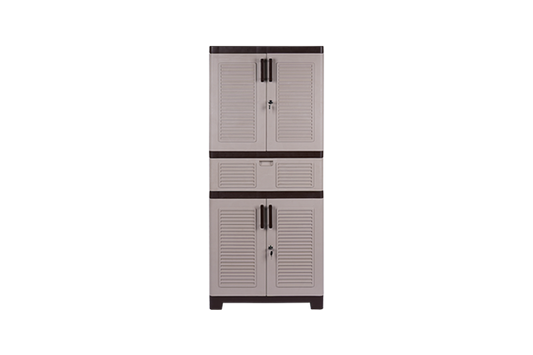
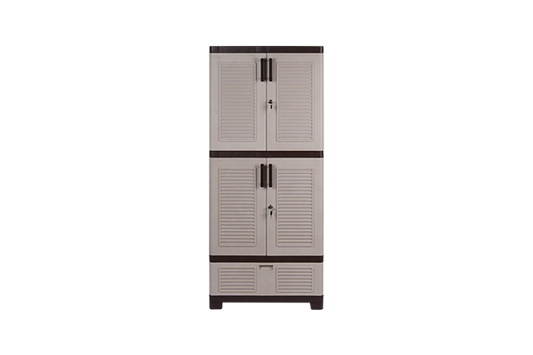
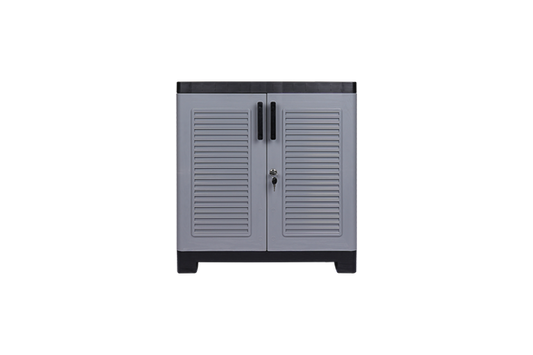
Italica designed its drawer-equipped cupboards, like the 5514 DR storage cabinet, around a simple observation: households don't just need more storage space, they need storage that matches how they actually use their belongings. A tall cabinet with only shelves forces every item - whether it's used daily or once a season - into the same kind of access. Adding a dedicated drawer changes that completely, giving you a fast, no-fuss spot for the handful of things you touch constantly, while the shelves above stay reserved for everything else.
This is also why Italica cupboards are built with a smooth-glide drawer mechanism rather than a basic sliding tray - a cupboard is only as useful as its weakest part, and a drawer that sticks or wobbles under load quickly gets abandoned in favor of tossing things on top of the cabinet instead. A well-engineered drawer is what makes the organization system in this guide actually sustainable long-term.
Why the Drawer Changes How You Should Organize
Most storage advice treats a cupboard as one uniform space. But a drawer-equipped cupboard works best when you think of it as two zones with different jobs:
-
The drawer is for small, frequently used items you want to grab without opening a door - think daily essentials, not deep storage.
-
The cabinet shelves above are for bulk items, seasonal goods, and things organized by category rather than by how often you touch them.
Once you separate "what I need constantly" from "what I need to store," organizing any room becomes far more straightforward.
A General Organization Framework (Before the Room-by-Room Breakdown)
Regardless of which room the cupboard is in, three rules consistently work:
-
Heavy items go on lower shelves, light items go higher. This isn't just about ease of access - it keeps the cupboard's center of gravity low and stable.
-
Group by category, not by size. Items used together should be stored together, even if that means a slightly awkward shelf arrangement.
-
Reserve the drawer for your top 10–15 most-reached-for items. If you find yourself digging past things to find what you actually use daily, the drawer has drifted from its purpose - reset it.
With that framework in place, here's how it plays out room by room.
Kitchen & Pantry
Cabinet shelves: Bulk food storage, canned goods, small appliances, cookware, and baking supplies. Store heavier cookware and bulk items on the lower shelves, everyday dishes at mid-level where they're easy to reach, and occasionally used items - like festive-season bakeware - on the top shelf.
Drawer: Utensils, small kitchen tools, spice packets, recipe cards, and dish towels - anything you reach for mid-cooking without wanting to open a cabinet door with messy hands.
Organization tip: Keep your most-used cooking utensils in the front of the drawer and less frequent ones (like specialty tools) toward the back.
Bathroom
Cabinet shelves: Towels, spare toiletries, cleaning supplies, and paper products - items you restock from rather than reach for multiple times a day.
Drawer: Daily cosmetics, grooming tools, medications, and hair accessories - your actual morning-routine items.
Organization tip: Since the drawer is what you'll open every single morning, treat it like a small toolkit - a dedicated spot for each item type (skincare, hair tools, medications) rather than a single mixed pile, so nothing gets lost during a rushed morning.
Bedroom & Closet
Cabinet shelves: Folded clothes, shoes, bedding, seasonal wardrobe items, and luggage. Organize by season and frequency - daily-wear clothing at eye level, seasonal items (heavy blankets, monsoon gear) on higher or lower shelves depending on the time of year.
Drawer: Undergarments, accessories, jewelry, and personal care items - small items that get lost easily on open shelving.
Organization tip: Because bedroom cupboards tend to hold the widest variety of item types, use small dividers or pouches inside the drawer itself to prevent jewelry, accessories, and undergarments from becoming one jumbled layer.
Home Office
Cabinet shelves: Files, reference books, office supplies, and equipment you don't need within arm's reach every day.
Drawer: Frequently used stationery, pens, important documents you're actively working with, and small tech accessories like USB drives or charging cables.
Organization tip: Treat the drawer as your "active work" zone and the shelves as your "archive" zone. At the end of each week, move completed project files from the drawer to the cabinet shelves to keep the drawer from becoming cluttered with finished work.
Laundry & Utility Room
Cabinet shelves: Detergents, cleaning supplies, paper products, and bulk laundry stock.
Drawer: Stain removers, small tools, measuring scoops, and laundry accessories you use during every wash cycle.
Organization tip: Group by task rather than product type - washing supplies together, drying supplies together - so you're not hunting across the whole cupboard mid-laundry.
Garage & Workshop
Cabinet shelves: Tools, hardware, automotive supplies, and seasonal equipment.
Drawer: Frequently used hand tools, screws, nails, and small parts - your "first reach" items for quick fixes.
Organization tip: Use the drawer as a rotating space. If a tool hasn't been used from the drawer in a few months, move it to the shelves and make room for something you're actively using instead.
Children's Room
Cabinet shelves: Toys, games, books, art supplies, and sports equipment - organized by category so kids (and parents) know where things belong.
Drawer: School supplies and a small rotation of favorite toys or art materials - kept low enough for kids to reach independently.
Organization tip: The lower drawer height on most plastic cupboards is ideal for encouraging kids' independence. Use it as a teaching tool: items go back in the drawer, not scattered across the floor, after playtime.
Balcony & Outdoor Storage
Cabinet shelves: Gardening supplies, outdoor cushions, cleaning tools for outdoor furniture, and seasonal items like umbrella stands or festive decor.
Drawer: Small outdoor essentials - gloves, plant ties, spare bulbs for string lights, or a compact tool kit for quick balcony fixes.
Organization tip: This is where an Italica cupboard has a real advantage over wooden or metal alternatives. Because the cabinet is built from UV-stabilized, moisture-resistant plastic and rated for both indoor and outdoor use, you can organize a balcony or semi-covered outdoor space with the same drawer-and-shelf system used indoors - without worrying about rust, warping, or sun damage over time.
Features That Make Organization Easier (Built Into the Cupboard Itself)
A big part of staying organized long-term comes down to the cupboard's own design, not just willpower. A few features worth knowing about if you're setting up an Italica cupboard specifically:
-
Dust-proof door strip: A sealed strip between the cabinet doors keeps dust from settling on stored clothes, shoes, or documents - meaning less time spent re-cleaning shelves you've already organized.
-
Adjustable, reinforced shelves: Under-shelf supports mean you can load shelves with heavier items - books, bulk kitchen goods, stacks of linens - without sagging, so your organization plan doesn't have to work around weight limits.
-
Drawer stops: Prevents the drawer from being pulled all the way out accidentally, which matters in households with kids or when the drawer is fully loaded.
-
Wide, stable base: Keeps the cupboard grounded even when top shelves are loaded, so you're not restricted to keeping only light items up high for safety reasons.
These aren't just manufacturing details - they directly affect how confidently you can follow the room-by-room system above without the cupboard's limitations working against your plan.
Maintaining the System Over Time
Organization only works if it's maintained. A few habits keep a drawer-equipped cupboard functional long-term:
-
Do a monthly reset. Once a month, quickly check whether the drawer still holds only your most-used items, or whether it's slowly filled up with things that belong on the shelves instead.
-
Clean as you organize. Since plastic cupboards have smooth, non-porous surfaces, a quick wipe-down while reorganizing takes seconds and prevents dust buildup in corners and drawer tracks.
-
Don't overload the drawer. Distribute weight evenly and avoid stacking heavy items in the drawer - it's built for quick access to small items, not bulk storage.
-
Keep the cupboard level. This isn't just about aesthetics - an unlevel cupboard can affect how smoothly the drawer glides over time.
Frequently Asked Questions
What should I keep in the drawer versus the shelves?
The drawer works best for small, frequently accessed items - things you reach for daily or multiple times a week. The shelves above are better suited for bulk storage, seasonal items, or anything organized by category rather than frequency of use.
Can a plastic cupboard with a drawer be used in more than one room?
Yes - this is one of its main advantages. The same organizational framework (drawer for daily essentials, shelves for bulk/category storage) works in kitchens, bathrooms, bedrooms, home offices, and utility rooms alike, which is why many households use these cupboards across multiple spaces.
How do I stop the drawer from becoming a "junk drawer"?
Set a simple rule: only items you'd reach for at least a few times a week earn a spot in the drawer. Everything else belongs on the shelves. A quick monthly check-in keeps this from drifting over time.
Is it safe to store heavier items on the top shelves?
It's generally better to keep heavier items on the lower shelves and lighter, less frequently used items higher up. This keeps the cupboard more stable and makes everyday access easier and safer.
Which Italica model is best for a drawer-based organization system?
The Italica 5514 DR is built specifically around this two-zone approach - it combines a full 4-feet cabinet with a dedicated smooth-glide drawer, reinforced adjustable shelves, and a dust-proof door strip, making it a strong fit for the room-by-room system in this guide, whether it's going into a kitchen, bedroom, or balcony.
Bottom Line
A plastic cupboard with a drawer is only as organized as the system behind it. The key is treating the drawer and the shelves as two distinct zones - one for what you need constantly, one for what you need to store - and adapting that framework to whichever room the cupboard lives in. Once that system is in place, staying organized becomes a matter of a few minutes a month rather than a periodic overhaul.
Italica has spent over three decades engineering plastic furniture and storage solutions for Indian homes, and its drawer-equipped cupboards are designed with exactly this kind of everyday organization in mind - not just as an afterthought, but as part of the build itself. Looking for a cupboard built around this drawer-plus-shelf system? Explore Italica's plastic storage cabinets, including the 5514 DR featured throughout this guide, backed by a 3-year warranty and Italica's 100% money-back guarantee.