

Best Plastic Chairs for Schools & Institutions: Your 2026 Complete Guide
Share
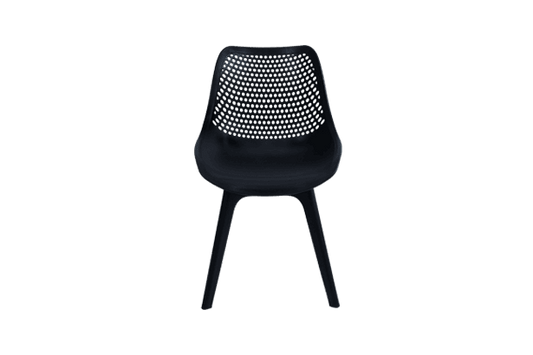
Plastic chairs for schools & institutions have become the backbone of India's educational infrastructure, offering durability, affordability, and hygiene that traditional furniture simply cannot match. As India's education sector expands with over 1.5 million schools serving 260+ million students in 2026, the demand for practical, cost-effective seating solutions has never been higher.
At Italica, we've witnessed firsthand how institutions across metro cities and Tier 2 and Tier 3 markets are prioritizing furniture that combines longevity with budget-consciousness. Whether you're a school administrator, institutional buyer, or distributor looking to stock quality seating, understanding what makes plastic chairs ideal for educational settings can transform your purchasing decisions and deliver long-term value.
This comprehensive guide explores everything you need to know about selecting, purchasing, and maintaining plastic seating for schools and institutions in 2026.
Why Are Plastic Chairs Essential for Schools in 2026?
Plastic chairs for schools & institutions address multiple challenges that Indian educational facilities face daily. According to the 2026 Ministry of Education infrastructure report, nearly 40% of government schools still lack adequate seating, while private institutions seek replacements every 3-5 years due to wear and tear.
The advantages are compelling:
-
Cost-effectiveness: Plastic chairs range from ₹350-₹800 per unit for standard models, compared to ₹1,200-₹2,500 for wooden or metal alternatives
-
Durability: High-quality HDPE and virgin plastic chairs last 8-12 years with minimal maintenance
-
Hygiene: Non-porous surfaces prevent bacterial growth and are easily sanitized—crucial post-pandemic
-
Lightweight: Students and staff can rearrange seating effortlessly for various classroom configurations
-
Weather resistance: Ideal for outdoor assembly areas, particularly in India's diverse climate zones
Plastic chairs for schools & institutions manufactured by Italica incorporate UV-stabilized materials that withstand India's harsh summers, with temperatures often exceeding 45°C in northern regions. Our advanced manufacturing facilities in Gujarat utilize injection molding technology that ensures consistent quality across bulk orders of 500+ units.
What Should Institutions Look for When Buying Plastic Chairs?
Plastic chairs for schools & institutions vary significantly in quality, and understanding key specifications prevents costly mistakes. According to Statista's 2026 Indian furniture market analysis, institutions that prioritize material quality over initial price savings achieve 60% lower replacement costs over a decade.
Critical Selection Criteria:
Material Grade: Virgin plastic (100% new material) versus recycled plastic significantly impacts longevity. Virgin HDPE chairs typically cost ₹550-₹900 but last twice as long as recycled alternatives priced at ₹300-₹450.
Weight Capacity: Standard school chairs should support 100-120 kg. According to Italica's 2026 market insights, institutions serving older students or adult education programs require chairs rated for 140-150 kg capacity, priced between ₹700-₹1,100.
Ergonomic Design: Chairs with contoured seating and lumbar support reduce student fatigue. The National Institute of Design's 2026 study found that ergonomic seating improves student concentration by up to 23% during extended classroom periods.
Stackability: Space optimization matters—quality chairs stack 15-20 high without damage, crucial for multi-purpose halls and exam centers.
Plastic chairs for schools & institutions should also meet ISI standards for commercial furniture. At Italica, we focus on exceeding Bureau of Indian Standards (BIS) requirements, ensuring every chair undergoes rigorous load testing before reaching customers.
How Much Do Bulk Plastic Chairs Cost for Institutions in 2026?
Plastic chairs for schools & institutions become significantly more affordable through bulk purchasing, with institutional buyers enjoying substantial discounts that improve budget allocation. Understanding pricing structures helps procurement officers negotiate effectively with manufacturers and distributors.
2026 Institutional Pricing Structure:
Small Orders (50-200 chairs): ₹550-₹750 per chair for standard models, ₹800-₹1,200 for ergonomic designs
Medium Orders (200-500 chairs): ₹480-₹650 per chair (12-15% bulk discount), ideal for single schools or small institutions
Large Orders (500-2,000 chairs): ₹420-₹580 per chair (20-25% bulk discount), common for school chains or district-level purchases
Mega Orders (2,000+ chairs): ₹380-₹520 per chair (25-30% bulk discount), typically for state government tenders or large university campuses
Plastic chairs for schools & institutions purchased through Italica's authorized distributor network include additional benefits: free delivery for orders exceeding ₹50,000, 3-year warranty coverage, and complimentary replacement of defective units within the first 90 days.
For distributors and retailers, wholesale acquisition costs range from ₹320-₹450 per chair depending on volume, with typical retail margins of 35-45% allowing healthy profitability while remaining competitive in local markets.
Which Plastic Chair Designs Work Best for Different Institutional Needs?
Plastic chairs for schools & institutions come in specialized designs tailored to specific environments, age groups, and usage patterns. The Indian Institute of Technology's 2026 furniture research highlighted that matching chair specifications to actual usage reduces damage rates by 40% and improves user satisfaction.
Design Categories and Applications:
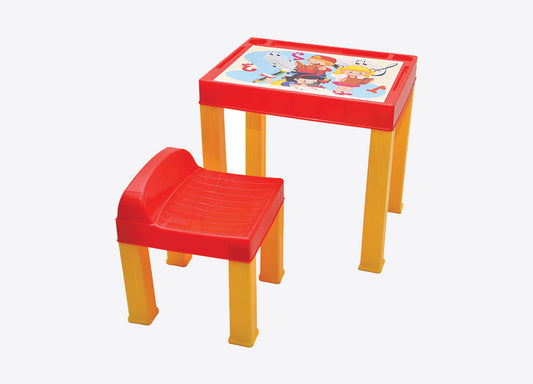
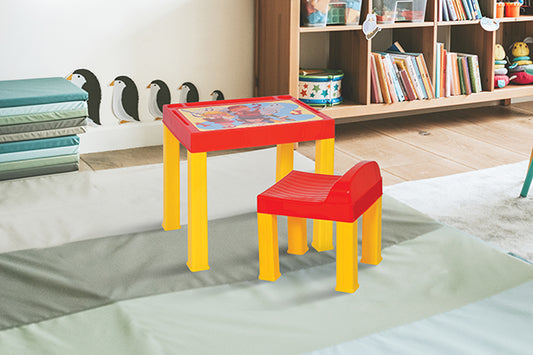
Primary School Chairs (Ages 5-10): Smaller dimensions with 12-14 inch seat height, bright colors for engaging learning environments, reinforced legs to handle rough usage. Wholesale price range: ₹380-₹520 per unit.
Secondary School Chairs (Ages 11-18): Standard adult dimensions, stackable design, neutral colors (blue, grey, black), optional writing tablets for exam halls. Wholesale price range: ₹450-₹650 per unit.
Auditorium & Assembly Chairs: Interlocking systems, wider seating (18-20 inches), enhanced back support for extended sitting. Wholesale price range: ₹650-₹950 per unit.
Staff Room Chairs: Premium finish, cushioned seating options, armrests for comfort during breaks. Wholesale price range: ₹800-₹1,400 per unit.
Plastic chairs for schools & institutions manufactured by Italica include color customization options for orders exceeding 1,000 units, allowing schools to incorporate brand colors or create zone-specific color coding across campus facilities.
How Does Climate Affect Plastic Chair Durability in India?
Plastic chairs for schools & institutions across India face vastly different environmental challenges, from Rajasthan's 48°C summers to Kerala's 95% humidity levels. According to the 2026 Indian Meteorological Department data, UV exposure and thermal expansion rank as the top two factors affecting plastic furniture longevity.
Regional Considerations:
Northern India: High UV exposure requires chairs with advanced UV stabilizers. Italica's northern-rated chairs incorporate titanium dioxide additives that prevent color fading and structural weakening even after 5+ years of outdoor exposure.
Coastal Regions: Salt-air corrosion affects metal components. Fully-plastic designs without metal screws or supports perform best, maintaining structural integrity despite 80%+ humidity year-round.
Eastern & Northeastern India: Heavy monsoon rainfall demands chairs with drainage holes in seating to prevent water accumulation and quick-dry surfaces that resist mold growth.
Southern India: Consistent heat and humidity require materials that resist warping. Premium polypropylene blends maintain dimensional stability across 15-40°C temperature variations.
Plastic chairs for schools & institutions selected with regional climate considerations last 3-4 years longer than generic options, according to the Furniture and Fixtures Manufacturers Association of India's 2026 durability study.
What Maintenance Do Institutional Plastic Chairs Require?
Plastic chairs for schools & institutions offer remarkably low maintenance compared to alternatives, but proper care extends lifespan and maintains appearance. The Central Public Works Department's 2026 institutional furniture guidelines recommend simple protocols that institutions can implement without specialized staff or equipment.
Recommended Maintenance Schedule:
Daily: Quick wipe-down with damp cloth to remove dust and dirt, particularly important in high-traffic cafeterias and corridors.
Weekly: Thorough cleaning with mild detergent solution (avoid harsh chemicals that degrade plastic), inspection for loose parts or developing cracks.
Monthly: Check stacking stability, tighten any metal components if present, inspect high-stress areas like leg joints and seat-back connections.
Quarterly: Deep cleaning with disinfectant approved for plastic surfaces, particularly relevant for maintaining hygiene standards post-pandemic.
Annually: Professional assessment of entire furniture inventory, replacement of chairs showing structural compromise, reordering to maintain adequate stock levels.
Plastic chairs for schools & institutions from Italica include detailed care instructions and access to our customer service team for maintenance queries. Our 2026 customer feedback data shows that institutions following recommended maintenance protocols achieve 95%+ furniture survival rates beyond the 8-year mark.
How Can Institutions Make Sustainable Purchasing Decisions?
Plastic chairs for schools & institutions increasingly factor into institutional sustainability goals, as India's National Education Policy 2020 emphasizes environmental responsibility. The 2026 Green Building Council of India report notes that thoughtful furniture procurement contributes significantly to reducing institutional carbon footprints.
Sustainability Considerations:
Material Source: Chairs manufactured from virgin plastic certified by the Central Pollution Control Board ensure recyclability at end-of-life. Italica's advanced manufacturing facilities maintain strict environmental protocols, with 80% of production waste being recycled into non-furniture applications.
Longevity Over Price: A ₹650 chair lasting 10 years proves more sustainable than a ₹400 chair requiring replacement every 3-4 years, reducing overall material consumption by 60-70%.
Local Manufacturing: Purchasing from Indian manufacturers like Italica reduces transportation emissions compared to imported furniture, supporting both sustainability and domestic economic growth.
Recyclability: Quality plastic chairs can be responsibly recycled at end-of-life. According to the Ministry of Environment's 2026 plastic waste management report, institutional furniture represents just 2% of plastic waste but offers 95%+ recovery rates when properly channeled through recycling networks.
Plastic chairs for schools & institutions that incorporate recycled content (20-30% in non-structural components) balance affordability with environmental responsibility, offering price points ₹40-₹80 lower than full virgin plastic models while maintaining adequate durability for 6-8 year service lives.
What Are the Latest Trends in Institutional Plastic Furniture for 2026?
Plastic chairs for schools & institutions continue evolving with technological advances and changing educational approaches. The Indian School Furniture Association's 2026 trend report identifies several innovations reshaping institutional procurement.
Emerging Trends:
Antimicrobial Surfaces: Silver-ion infused plastics reduce bacterial growth by 99.9%, critical for maintaining hygiene in high-density environments. Premium antimicrobial chairs retail at ₹850-₹1,300, representing 15-20% price premiums over standard models.
Modular Designs: Chairs with interchangeable components allow targeted replacement of damaged parts rather than entire units, reducing long-term costs by approximately 30%.
Smart Integration: Select premium models now incorporate tablet holders and under-seat storage, supporting digital learning initiatives. These technology-enhanced chairs range from ₹1,200-₹1,800 per unit.
Color Psychology: Educational research supports using specific color schemes to enhance learning. Calming blues and greens for study areas, energizing yellows for activity zones, neutral tones for testing environments.
Plastic chairs for schools & institutions from Italica now include optional antimicrobial treatments for bulk orders exceeding 500 units, with per-chair costs of ₹680-₹920 depending on specifications and quantity.
Conclusion: Making Informed Choices for Institutional Success
Plastic chairs for schools & institutions represent more than simple seating—they're long-term investments in educational infrastructure that impact student comfort, institutional budgets, and facility management efficiency. As India's education sector continues expanding, with the government targeting universal quality education access by 2030, choosing the right furniture partner becomes increasingly critical.
At Italica, we recognize that institutional buyers need suppliers who understand India's unique challenges: extreme climate variations, budget constraints, quality expectations, and the logistical complexities of serving everything from urban private schools to rural government institutions across 28 states.
Whether you're furnishing a new 50-student rural school in Madhya Pradesh or replacing 2,000+ chairs across a university campus in Bangalore, prioritizing quality, durability, and total cost of ownership over initial price alone delivers superior long-term outcomes. With institutional-grade plastic chairs now more affordable and advanced than ever, 2026 presents an ideal opportunity to upgrade educational infrastructure that serves India's future generations.
Frequently Asked Questions
What is the average lifespan of quality plastic chairs in Indian schools?
Quality plastic chairs manufactured from virgin HDPE or polypropylene typically last 8-12 years in Indian institutional settings with proper maintenance. Chairs made from recycled materials generally provide 5-7 years of service life. Lifespan varies based on usage intensity, climate conditions, and maintenance protocols followed by the institution.
How many plastic chairs can be stacked safely for storage?
Standard institutional-grade plastic chairs safely stack 15-20 units high without risking damage or instability. Premium models with reinforced stacking mechanisms can handle 20-25 chairs. Always verify manufacturer specifications, as stacking capacity varies by design. Proper stacking prevents warping and extends chair lifespan significantly.
What's the minimum order quantity for wholesale pricing on school chairs?
Most manufacturers, including Italica, offer wholesale pricing starting at 50-100 chairs, with progressive discounts at 200, 500, 1,000, and 2,000+ unit thresholds. Bulk orders of 500+ chairs typically qualify for 20-25% discounts off retail pricing, free delivery, and extended warranty coverage. Contact manufacturers directly for institutional pricing tiers.
Are plastic chairs safe for young children in primary schools?
Yes, when properly manufactured to BIS standards, plastic chairs are completely safe for children. Look for chairs with rounded edges, stable four-leg designs, appropriate weight capacity (80-100 kg for primary grades), and non-toxic, food-grade plastic certification. Age-appropriate seat heights (12-14 inches for ages 5-10) prevent posture issues and ensure safety.
Can plastic chairs be used in outdoor school areas?
Absolutely. UV-stabilized plastic chairs specifically designed for outdoor use withstand sun exposure, rain, and temperature extremes common across India. Look for chairs with UV-resistance ratings of 2,000+ hours and drainage holes in seating surfaces. Outdoor-rated chairs cost ₹550-₹850 per unit and last 7-10 years even with continuous exterior exposure.
What payment terms do manufacturers offer for large institutional orders?
For orders exceeding ₹2,00,000, most manufacturers offer flexible payment terms including 30-50% advance with balance on delivery, 30-60 day credit terms for verified institutions, and installment options for government schools participating in centralized procurement programs. Distributors typically receive 60-90 day credit facilities based on order history and volumes.