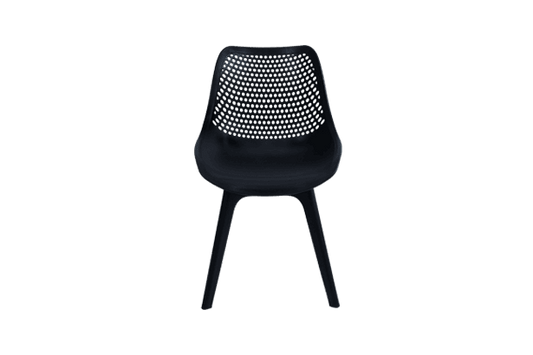


Best Plastic Chairs for Home in India: A Complete 2026 Guide
Share
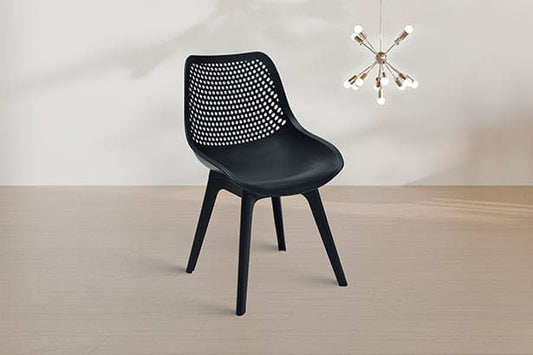
Plastic chairs for home use have evolved dramatically over the past few years, transforming from basic seating options to stylish, durable furniture pieces that combine functionality with aesthetic appeal. Plastic chairs for home settings are now available in countless designs, colors, and ergonomic configurations that suit every Indian household's needs-from compact apartments in Mumbai to spacious villas in Bangalore. At Italica, we understand that choosing the right seating solution involves balancing comfort, durability, budget, and design preferences, which is why we've created this comprehensive guide to help you make an informed decision.
The Indian furniture market has witnessed a significant shift toward plastic seating solutions, with the polymer furniture segment growing at approximately 12% annually according to recent industry reports. This growth reflects changing consumer preferences, increased awareness about maintenance-free furniture, and the versatility that modern plastic chairs offer. At Italica, we've observed that homeowners are increasingly seeking chairs that can seamlessly transition between indoor and outdoor use, withstand India's diverse climate conditions, and complement contemporary home décor trends.
Whether you're furnishing a balcony, setting up a home office, creating a comfortable dining space, or looking for stackable seating for occasional guests, plastic chairs for home use offer unmatched convenience and value. This guide will walk you through everything you need to know about selecting, maintaining, and maximizing the lifespan of plastic chairs in 2026, with insights from Italica's years of experience in the Indian furniture industry.
Why Are Plastic Chairs Popular for Indian Homes in 2026?
Plastic chairs for home environments have gained tremendous popularity across India for several compelling reasons that address the specific needs of Indian households. The primary advantage lies in their weather resistance-a crucial factor given India's varied climate zones ranging from humid coastal regions to dry inland areas with extreme temperature fluctuations.
Modern plastic chairs are manufactured using high-grade virgin plastic or engineering-grade polymers that resist UV degradation, moisture absorption, and temperature-induced warping. Unlike wooden furniture that can suffer from termite damage or metal chairs that rust in humid conditions, plastic seating maintains its structural integrity across seasons. This makes them ideal for Indian homes where furniture often transitions between air-conditioned interiors and open balconies or terraces.
Plastic chairs for home use are also incredibly lightweight compared to their wooden or metal counterparts, making them easy to move, rearrange, and clean. For Indian households where frequent floor cleaning and furniture repositioning are common practices, this mobility is a significant advantage. A typical plastic chair weighs between 2-4 kg, while providing seating capacity for adults weighing up to 120-150 kg when properly manufactured.
The cost-effectiveness of plastic chairs cannot be overstated. While premium designer plastic chairs can range from ₹1,500 to ₹8,000, basic yet functional options are available starting at ₹500-800, making quality seating accessible across different income segments. This affordability doesn't necessarily mean compromising on aesthetics-contemporary designs now include chairs that mimic wood grain, feature sleek minimalist profiles, or incorporate bold colors that serve as statement pieces in modern interiors.
Maintenance simplicity is another driving factor. Plastic chairs for home use require minimal upkeep-a quick wipe with a damp cloth removes most dirt and stains, and there's no need for polishing, varnishing, or protective treatments. This low-maintenance characteristic aligns perfectly with busy urban lifestyles where time for household chores is limited.
How Do You Choose the Best Plastic Chairs for Your Home?
Plastic chairs for home selection requires consideration of several key factors that ensure you invest in seating that meets your specific requirements and lasts for years. The first consideration should be the plastic quality and type used in manufacturing.
Virgin plastic or polypropylene (PP) chairs offer superior strength and longevity compared to recycled plastic alternatives. While recycled plastic is environmentally friendly, it may have slightly reduced structural integrity. High-density polyethylene (HDPE) and polypropylene copolymer are the premium materials used in quality plastic chairs, offering excellent impact resistance and temperature stability. When examining chairs, check for uniform color distribution, smooth finish without visible grain patterns or color variations, and consistent wall thickness throughout the chair body.
Plastic chairs for home environments should also be evaluated based on ergonomic design. Look for chairs with contoured seats that provide lumbar support, gently sloped backrests that follow the natural spine curve, and seat heights between 16-18 inches for comfortable dining or desk work. Armrests, when present, should be positioned at a height that allows relaxed shoulder positioning without forcing the arms upward or downward unnaturally.
Weight capacity is a critical specification often overlooked. Standard plastic chairs should support at least 100-120 kg, while heavy-duty models can accommodate 150-180 kg. This information is usually provided in product specifications, and choosing chairs with appropriate capacity ensures safety and prevents premature structural failure.
Design aesthetic matters significantly in 2026, as plastic chairs for home use are no longer purely functional items but contribute to overall interior design themes. Consider your existing décor style:
- Minimalist homes: Opt for monochromatic chairs in white, black, or grey with clean lines
- Traditional spaces: Wood-textured plastic chairs blend seamlessly
- Contemporary settings: Bold colors like mustard, teal, or coral create visual interest
- Outdoor-indoor fusion: Transparent or translucent designs work beautifully
Stackability is essential for space-conscious Indian homes. Stackable plastic chairs for home use can be stored efficiently when not needed, making them perfect for apartments where every square foot counts. Quality stackable designs allow 6-8 chairs to stack safely without risking toppling.
What Are the Different Types of Plastic Chairs Available in India?
Plastic chairs for home use come in diverse categories, each designed for specific purposes and settings. Understanding these categories helps you select the most appropriate option for your needs.
Cafeteria-style plastic chairs feature simple, functional designs with or without arms, typically stackable, and available in multiple colors. These versatile chairs work well for dining tables, study desks, or as additional seating for guests. Prices range from ₹500-1,500 depending on brand and features.
Armchair plastic chairs for home comfort include molded armrests integrated into the design, providing enhanced comfort for extended sitting periods. These are ideal for living rooms, balconies, or reading corners. Premium armchair models with ergonomic contouring can cost ₹2,000-5,000.
Folding plastic chairs offer maximum space efficiency with foldable frames (usually metal) and plastic seats and backrests. They're perfect for small apartments or as emergency seating, storing flat when not in use. Quality folding options range from ₹800-2,500.
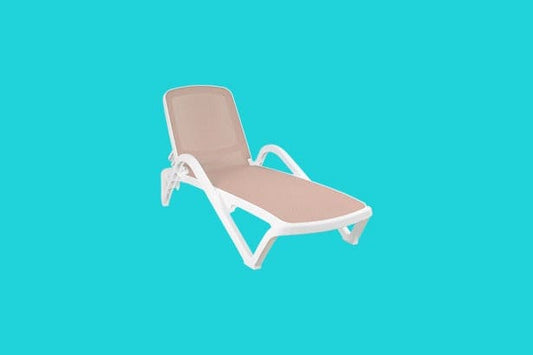
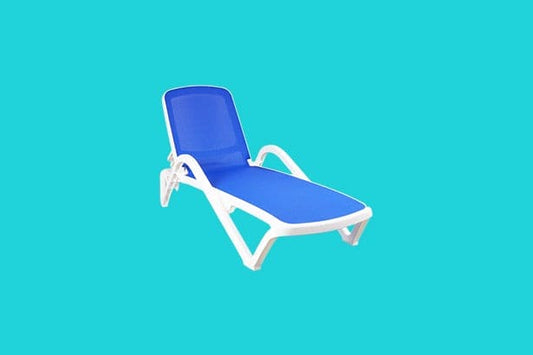
Reclining plastic chairs for home relaxation feature adjustable backrests with multiple locking positions, allowing users to sit upright or recline for leisure. Popular for balconies and gardens, these chairs cost ₹3,000-8,000 for quality models.
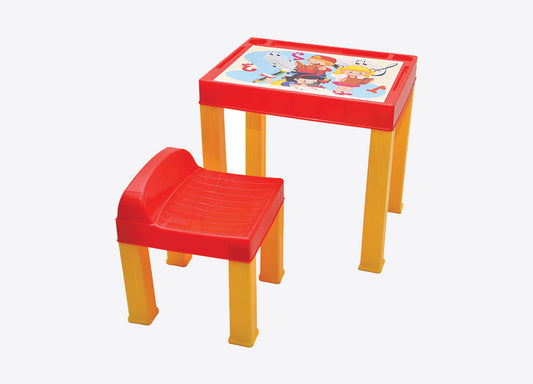
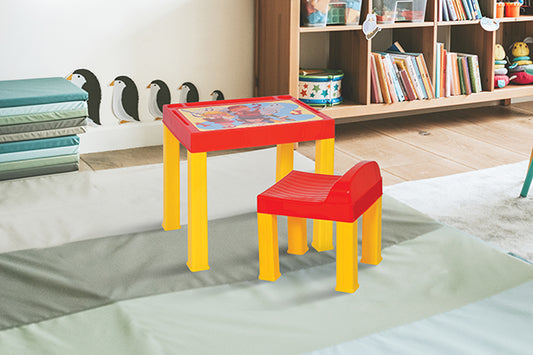
Baby and kids' plastic chairs are specially designed with lower heights, bright colors, and rounded edges for safety. These miniature versions help children develop proper sitting habits and range from ₹300-1,200.
Premium designer plastic chairs for home aesthetics incorporate innovative designs, unique textures, and sophisticated color palettes. Brands are now offering chairs that rival the visual appeal of designer furniture at ₹4,000-15,000 price points.
How Long Do Plastic Chairs Last in Indian Conditions?
Plastic chairs for home use typically last 5-8 years under normal usage conditions in India, though this lifespan can extend to 10+ years with proper care and premium quality products. The longevity depends on several factors including plastic quality, manufacturing standards, usage patterns, and environmental exposure.
UV exposure is the primary factor affecting plastic chair degradation in India. Prolonged direct sunlight exposure breaks down polymer chains, causing color fading, brittleness, and eventual cracking. Chairs with UV stabilizers added during manufacturing resist this degradation significantly better. At Italica, our chairs undergo rigorous UV resistance testing to ensure they withstand Indian sunlight conditions.
Plastic chairs for home outdoor use should ideally be moved to shaded areas or covered during peak summer months (April-June) when UV radiation is strongest. For permanently outdoor-placed chairs, investing in UV-resistant premium models is worthwhile.
Temperature fluctuations also impact longevity. Plastic expands in heat and contracts in cold, and repeated cycling can create stress points. Indian homes experience temperature ranges from 5°C in northern winters to 45°C+ in summer, so choosing chairs manufactured with temperature-stable polymers ensures dimensional stability.
Load stress from regular use gradually weakens plastic structure, particularly at stress concentration points like seat-backrest joints and leg connections. Avoiding practices like standing on chairs, tilting back on rear legs, or exceeding weight capacity prevents premature failure.
Moisture exposure, particularly in coastal and high-humidity regions, can affect chairs over time. While quality plastic doesn't absorb water, moisture can accumulate in hollow sections, potentially harboring mold or weakening adhesive joints in assembled models. Periodic drying and ensuring proper drainage holes are present extends chair life.
What Is the Price Range for Plastic Chairs in India in 2026?
Plastic chairs for home purchase in India involves a wide price spectrum reflecting quality differences, design complexity, and brand positioning. Understanding this pricing structure helps set realistic budgets.
Budget segment (₹400-900): Basic plastic chairs without arms, simple designs, often manufactured from recycled plastic or lower-grade virgin plastic. Suitable for temporary use, rental properties, or as emergency seating. Weight capacity typically 80-100 kg, limited color options, and 2-3 year expected lifespan.
Mid-range segment (₹900-2,500): Plastic chairs for home daily use, manufactured from quality virgin plastic with ergonomic considerations. This segment includes stackable cafeteria chairs, basic armchairs, and simple folding models. Weight capacity 100-120 kg, diverse color choices, UV stabilizers included, and 4-6 year lifespan.
Premium segment (₹2,500-6,000): High-quality plastic chairs for home comfort featuring superior ergonomics, designer aesthetics, reinforced construction, and enhanced UV resistance. Includes premium armchairs, reclining chairs, and designer models from established brands. Weight capacity 120-150 kg, extensive color and finish options, 6-8 year lifespan.
Luxury segment (₹6,000-15,000+): Designer plastic chairs for home décor that compete with high-end furniture aesthetics. Features innovative designs, multi-functional elements, integrated cushions, or unique material combinations. Often from international brands or designer collaborations, these chairs offer 8-10+ year lifespans with proper care.
When evaluating price versus value, consider cost-per-year of use. A ₹3,000 chair lasting 7 years costs ₹428 annually, while a ₹800 chair lasting 2 years costs ₹400 annually-the premium option often delivers better value long-term.
How Should You Maintain Plastic Chairs for Maximum Lifespan?
Plastic chairs for home maintenance is straightforward but following proper care protocols significantly extends their usable life and keeps them looking new for years.
Regular cleaning: Wipe plastic chairs weekly with a soft cloth dampened with water and mild dish soap. For stubborn stains, create a paste of baking soda and water, apply gently, and rinse thoroughly. Avoid abrasive scrubbers that can scratch the surface, creating areas where dirt accumulates and weakening the protective surface layer.
Deep cleaning: Monthly deep cleaning involves using a mixture of warm water with a few drops of liquid detergent. Use a soft brush to reach textured surfaces and crevices. Rinse completely with clean water and dry with a soft cloth. This prevents buildup of oils, dirt, and grime that can degrade plastic over time.
Plastic chairs for home outdoor placement require additional protection. During monsoon season, store chairs under cover or in sheltered areas to prevent constant moisture exposure. If left outside, ensure they're positioned to allow water runoff and don't accumulate standing water in seat depressions or hollow sections.
Sun protection: Apply UV-protective spray or furniture polish designed for plastic every 3-4 months if chairs are regularly exposed to sunlight. This creates an additional protective layer against UV degradation. Alternatively, position chairs in partially shaded areas or use them with umbrellas or pergolas.
Stain removal: For tough stains like ink, oil, or food spills, use isopropyl alcohol or white vinegar on a soft cloth. Test on an inconspicuous area first. Avoid using harsh chemicals like acetone, bleach, or strong solvents that can discolor or weaken plastic.
Storage: When storing plastic chairs for home seasonal use, stack them properly ensuring weight is evenly distributed. Store in cool, dry areas away from direct sunlight. Placing cloth or cardboard between stacked chairs prevents scratching and allows air circulation.
Why Is Choosing the Right Plastic Chair Important in 2026?
Plastic chairs for home selection has become increasingly significant in 2026 as consumers recognize that furniture choices impact not only immediate comfort but also long-term health, environmental footprint, and living space functionality.
Ergonomic considerations are more important than ever, with increasing awareness about posture-related health issues. Poor seating choices contribute to back pain, neck strain, and reduced productivity, particularly relevant as work-from-home arrangements continue. Selecting properly designed plastic chairs for home offices ensures comfortable extended sitting periods without compromising spinal health.
Environmental consciousness is driving material innovation in the plastic furniture industry. Reputable manufacturers are increasingly using recycled plastics, bio-based polymers, and implementing circular economy principles where old chairs can be returned for recycling into new products. Choosing brands committed to environmental responsibility aligns personal furniture decisions with broader sustainability goals.
Plastic chairs for home aesthetics now significantly influence overall interior design impact. With the rise of social media sharing of home spaces and increased time spent at home, furniture that looks good in photographs and creates cohesive design themes has become valued. The right chair selection can elevate a space from functional to fashionable.
Space optimization in Indian urban homes makes furniture versatility crucial. Multifunctional and space-saving plastic chairs that stack, fold, or serve multiple purposes maximize limited square footage, allowing the same space to serve different functions throughout the day.
Frequently Asked Questions (FAQ)
Q: Are plastic chairs safe for daily use in dining areas?
A: Yes, high-quality plastic chairs manufactured from virgin polypropylene or HDPE are perfectly safe for daily dining use. Ensure the chairs meet ISI standards, have appropriate weight capacity (100kg+), and feature stable four-leg designs for safety.
Q: How can I tell if a plastic chair is made from quality materials?
A: Quality plastic chairs have uniform color throughout, smooth finish without rough edges, consistent wall thickness, no visible molding defects, and clear manufacturer information. They should feel solid when pressure is applied and not flex excessively. Reputable brands provide material specifications and weight capacity details.
Q: Can plastic chairs be used outdoors in Indian summers?
A: Yes, but choose chairs specifically designed with UV stabilizers for outdoor use. Premium plastic chairs can withstand temperatures up to 50°C without warping. For maximum longevity, provide some shade coverage during peak afternoon hours and apply UV-protective coatings periodically.
Q: What is the weight capacity of standard plastic chairs?
A: Standard plastic chairs typically support 100-120kg, while heavy-duty models accommodate 150-180kg. Always check manufacturer specifications and choose chairs with capacity exceeding your requirements by 20-30% for safety margin and longevity.
Q: Are expensive plastic chairs worth the investment?
A: Premium plastic chairs (₹2,500-6,000) often provide better value long-term through superior durability (6-8+ years vs 2-3 years), enhanced comfort from ergonomic design, better UV resistance, and aesthetic appeal. Calculate cost-per-year rather than upfront cost to determine true value.
Q: How do I dispose of old plastic chairs responsibly?
A: Contact local recycling centers that accept rigid plastics, as most plastic chairs are recyclable. Some manufacturers, including Italica, offer take-back programs. Alternatively, donate functional chairs to charitable organizations, schools, or community centers. Avoid sending to landfills when recycling options exist.